A sharp rift has emerged in the Washington–Brussels–Moscow diplomatic triangle regarding approaches to negotiations on Europe's post-war security. According to Bloomberg sources, European officials believe that any discussions of Moscow's claims regarding the continent's security architecture are pointless as long as Russia wages active hostilities against Ukraine and violates current international agreements. In their view, the current collective defense system exists primarily to deter Russia from a new attack on Europe, and discussing its restructuring amid an ongoing war means giving the aggressor leverage. First and foremost, European capitals insist, a ceasefire must occur, and any post-war security agreements require the unanimous consent of all European countries.
The US Position: Parallel Tracks and Kushner’s Five Goals
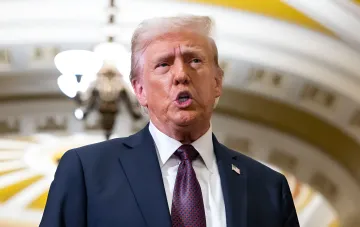
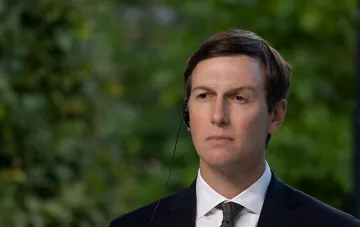
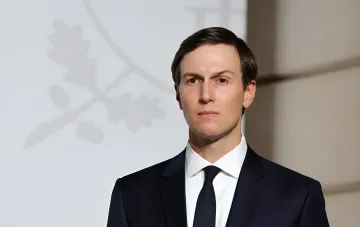
Donald Trump's administration, by contrast, advocates for including European security architecture issues in the negotiation process with Russia in parallel with other topics. The President's son-in-law and special envoy Jared Kushner formulated five target parameters: permanent security consultations, reliable crisis communication channels, enhanced military transparency, mutual steps to reduce escalation risks, and a long-term framework for stability in Europe. The White House assured that Washington recognizes the sovereignty of European states and NATO's central role in collective defense, but the very fact of a parallel track has alarmed several European capitals.
Criticism from Europe and Congress
Reaction to the US approach came swiftly and from two directions. Polish Foreign Minister Radosław Sikorski stated that Europe should not want peace more than Putin does, adding, “It seems that sometimes the victim is pressured more than the aggressor.” Criticism was also voiced by congressional Democrats, who won majorities in both chambers after the midterm elections. Senator Michael Bennet emphasized in a public statement: “We already have a European security architecture. It’s called NATO.”
The Territorial Issue and Moscow’s Calculations
Territorial concession issues have been postponed at the current stage because, according to diplomatic sources, they require top-level decisions. According to the same Bloomberg sources, Vladimir Putin still demands the transfer of the entire Donbas to Ukraine. European capitals believe that in the coming months, Moscow is not in the mood for serious negotiations and is relying on massive strikes against Ukrainian infrastructure to break the population's morale and strengthen its negotiating position.
Preparation for Abu Dhabi: Delegation Composition and Agenda
Kyiv prepared in advance for the trilateral meeting in Abu Dhabi scheduled for November 10–11. Ukraine announced the composition of its delegation: it will include Head of the Presidential Office Kyrylo Budanov. It was initially reported that he would head the negotiating group, but presidential communications adviser Dmytro Lytvyn later clarified that Budanov will be one of the participants rather than the sole leader. According to Volodymyr Zelenskyy, the main topic for the Ukrainian side at the meeting will be security guarantees—precisely what the President emphasized needs to be discussed in Abu Dhabi.