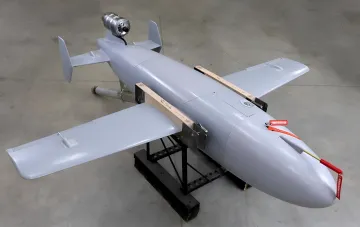
The European Parliament has adopted the Defence Omnibus — a package of decisions that provides for the financing and testing of advanced military technologies directly on Ukrainian territory. This was reported by RBC-Ukraine, citing the European Parliament's press service. The document aims to direct European investments toward solutions whose necessity has already been proven during the war: drones, sensors, munitions, and other advanced technologies.
What the Defence Omnibus Provides for
According to co-rapporteur on industry Aura Salla, in the face of a real threat from Russia, every euro must have maximum effect. This is why the European Union is simplifying procedures and will support the testing of defence projects in Ukraine, turning know-how into real weapons without excessive bureaucracy. The main objective of the package is to eliminate the administrative barriers that have for years held back the development of Europe's defence-industrial complex.
Testing on Ukrainian Soil
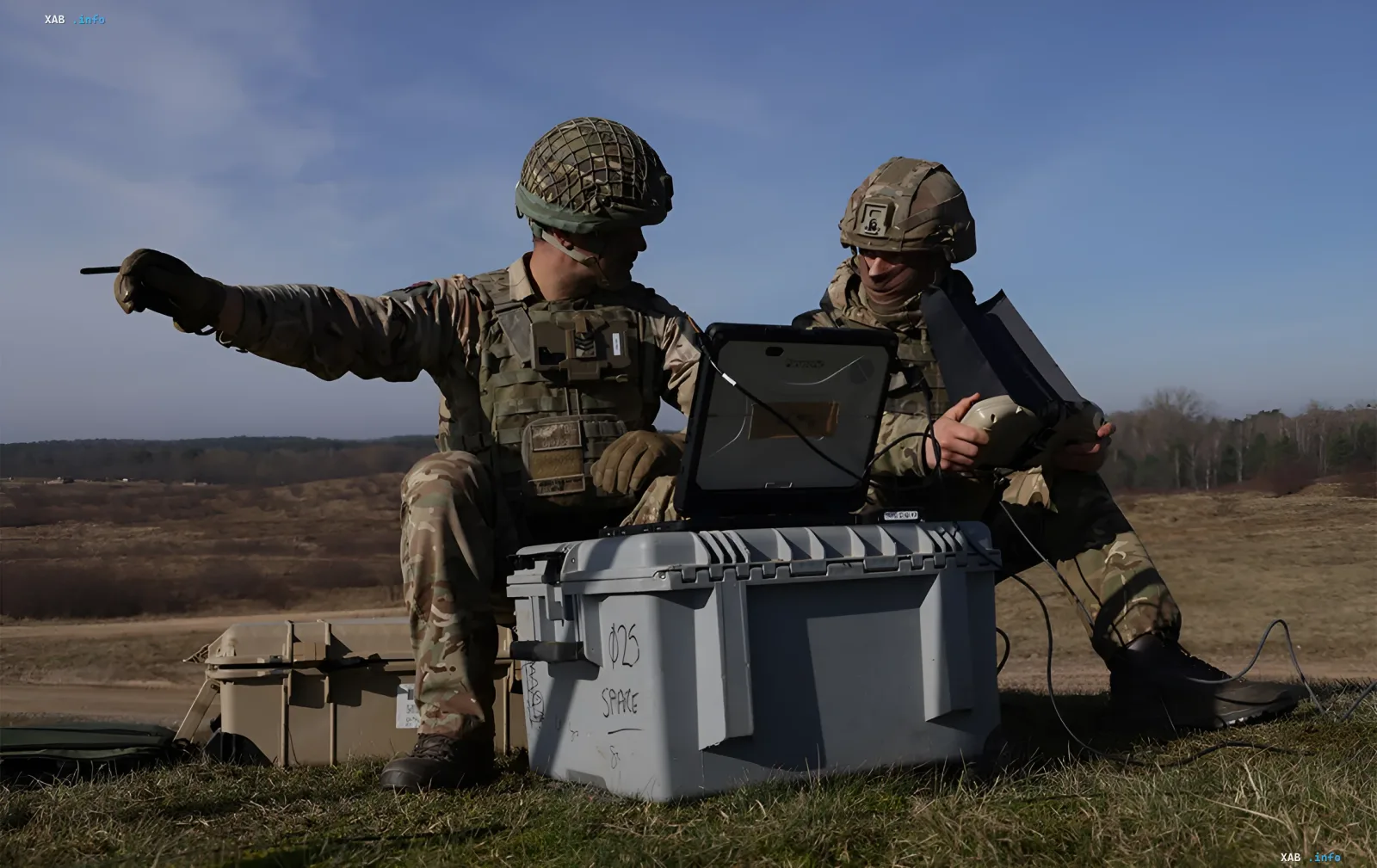
A key element of the adopted document is the possibility of carrying out tests of defence projects directly in Ukraine. This allows real combat conditions to be used as a testing ground for drones, sensors, and munitions, accelerating the cycle from development to deployment. For Kyiv, this decision means not only an inflow of investments but also the integration of Ukrainian defence know-how into the European industrial chain.
Fighting Bureaucracy and Accelerating Production
The new rules significantly reduce the time required to obtain permits for expanding defence production. EU member state governments that quickly implement accelerated procedures will be able to attract more investment. The package of decisions also makes defence procurement within the EU more efficient and allows military products to be moved more quickly between EU countries, forming a single defence market.
Long-Term Threat and Geopolitical Realities
Members of the European Parliament emphasize that Russia will remain a long-term threat to Europe's security even after the end of the war in Ukraine. Therefore, the single defence market must be fully prepared for new geopolitical realities. In their assessment, the adopted omnibus lays the institutional foundation for such readiness, linking defence spending to real results on the battlefield.
Context: The Freyja Air Defence System and the European Security Council
The adoption of the Defence Omnibus comes against the backdrop of other initiatives to bring Ukraine's and the EU's defence systems closer together. Earlier, the European Union expressed an initiative to create a European Security Council with Ukraine's participation; Ukraine's Foreign Ministry welcomed this proposal, noting that defence against Russian aggression is the top security priority for the entire continent. In addition, Ukraine and the EU plan to create a joint air defence system based on the Freyja project, which is intended to significantly strengthen the defence of Ukrainian airspace and reinforce the eastern flank of the European Union.