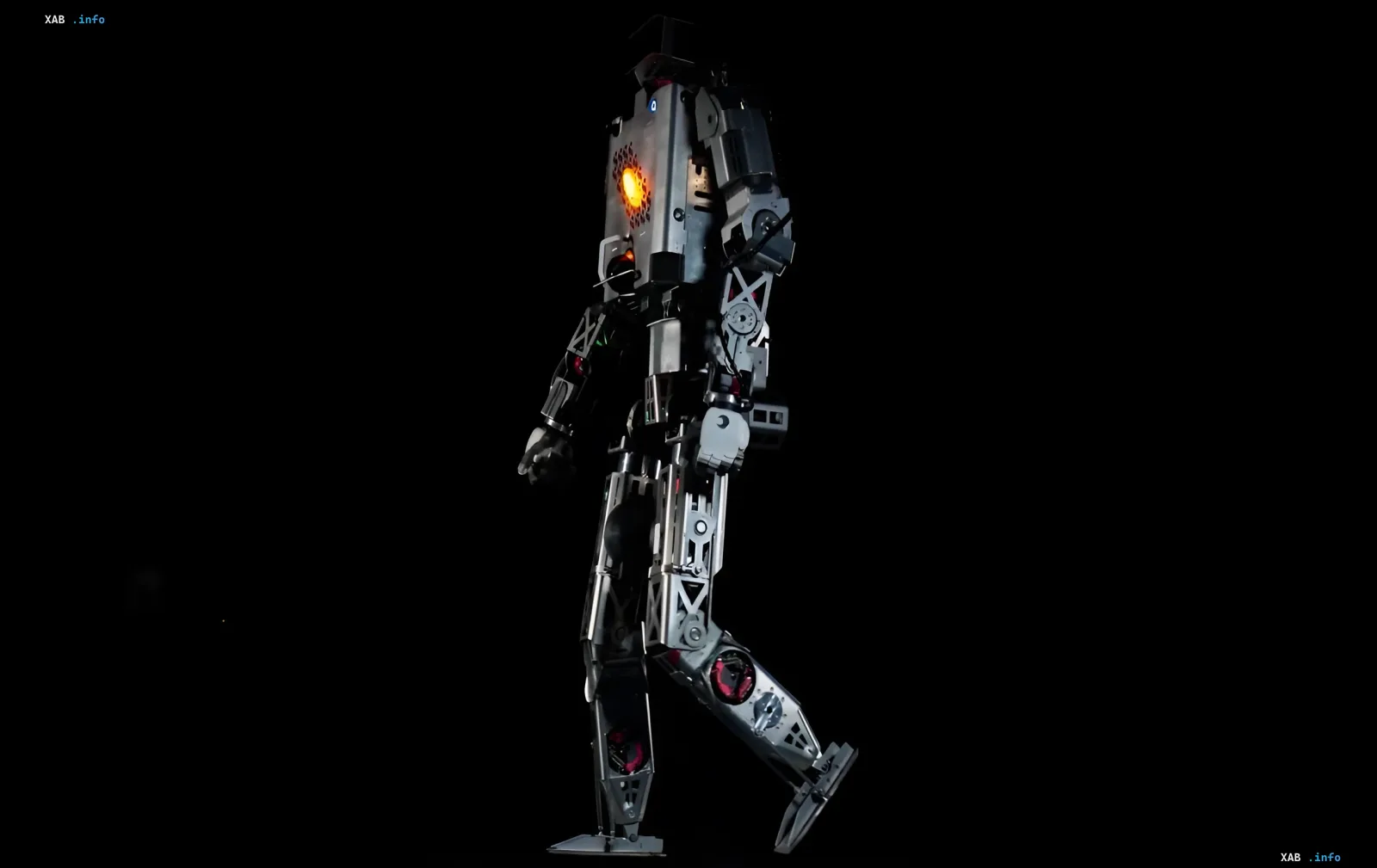
American startup Minerva Humanoids, founded by former engineers from Tesla, MIT CSAIL, and Boston Dynamics, has unveiled the Roger humanoid robot. The uniqueness of the development lies in the fact that a fully walking prototype was built from scratch in record time—just five months. The project aims to radically change safety standards when performing critical and hazardous tasks, such as clearing explosive devices, handling high-voltage energy equipment accidents, and working with toxic substances.
Innovative Technologies and Hybrid Control
The Roger robot combines cutting-edge advancements in artificial intelligence and direct remote control. The onboard Minerva Intelligence system handles routine yet complex physical processes: the apparatus automatically maintains body balance, corrects movement trajectories, and is capable of standing up independently if it falls. The operator controls the humanoid remotely using a VR headset with real-time video streaming from cameras. Thanks to a high-speed communication channel with minimal latency, every movement of the specialist is instantly and precisely replicated by the robot's mechanical hands.
Overcoming the Limitations of Traditional Robotics
Before the advent humanoids, bomb squad units and emergency services relied primarily on tracked or wheeled platforms featuring a single manipulator. However, such devices are suitable only for basic operations, and in situations requiring high precision or simultaneous use of two hands, sappers still have to risk their lives and work manually. Dominic Esquivelt, a British special forces veteran and head of hazardous operations at Minerva, notes that the new robot spares specialists from taking the so-called long walk, allowing them to manage the process from a secure command post.
International Cooperation and Future Prospects
Despite the software being developed in the United States, the assembly of the initial prototypes is carried out at manufacturing facilities in Germany. The startup plans to fully deploy production capacities in both countries. The project has already undergone testing at NATO's Explosive Ordnance Disposal Center of Excellence in Slovakia and successfully completed field tests at two major international airports. In addition, the company is collaborating with the Mohamed bin Zayed University of Artificial Intelligence and the University of Waterloo to explore operating capabilities in critical conditions such as dense smoke, darkness, or sudden sensor failures.