The European Union is facing one of the most acute migration situations in the last decade. Against the backdrop of an unprecedented influx of people attempting to cross the border in the Spanish enclave of Ceuta, Brussels has announced an emergency meeting of interior ministers. The meeting, which will take place online from August 4 to 8, will be a key decision-making point for protecting the bloc's external borders.
Humanitarian Catastrophe at the Borders
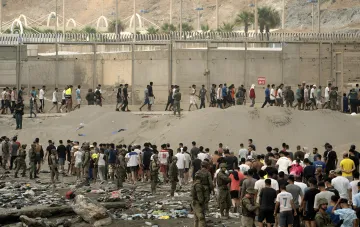
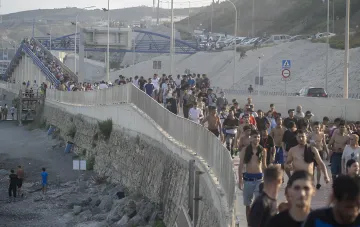
The events that triggered the urgent reaction of the European Union unfolded on July 30 and 31. On these days, approximately 50,000 people from Morocco attempted to cross the border en masse into Ceuta — an autonomous city of Spain located in North Africa. This is one of the few places where the EU's land border directly touches the African continent.
The cost of this assault proved tragically high. According to official data from Spanish authorities, at least 67 people died. The main causes of death were drowning in the strait waters and crushing in the crowd. Despite the scale of the breach, no migrants managed to penetrate deep into Spanish territory or into other Schengen countries. More than 48,000 people were returned to Morocco within 48 hours.
Government Response and New Barriers
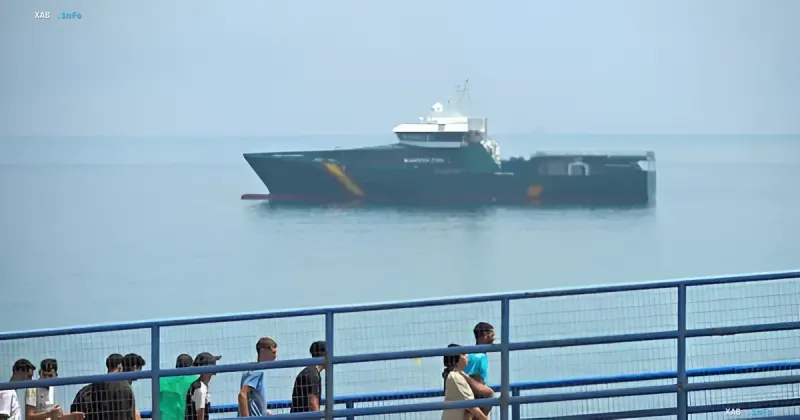
By August 1, the situation in Ceuta began to stabilize, however, security forces did not lower their guard, continuing to patrol coastal areas and border crossings. As a preventive measure, Spain installed a floating barrier about 500 meters long in the coastal zone to physically prevent swimming across the border.
Madrid has taken a hard line: entry into Ceuta does not grant the right to free movement within Spain or other Schengen countries. Travel by sea or air now requires strict document checks. Spanish authorities point out that the crowd was directed by human trafficking networks spreading disinformation on social media. Many migrants believed false promises that entering Ceuta would automatically grant them the right to live in Europe.
Political Rift Within the EU
The crisis in Ceuta has exposed deep disagreements between EU member states. Fear of a new wave of migrants forced Italy to temporarily reinstate border controls for arrivals from Spain. This move provoked a sharp reaction from Spanish Prime Minister Pedro Sánchez, who warned that unilateral actions could undermine the unity of the bloc.
Nevertheless, 22 member states have already called on Brussels to strengthen common border protection measures to prevent a recurrence of such incidents. Spain insists on sharing responsibility, noting that thanks to close cooperation with Morocco, the situation has already been brought under control.
Emergency Meeting and New Rules
The Presidency of the EU is currently held by Ireland, and it is organizing the upcoming meeting. Ministers will discuss not only immediate support for Spain but also a long-term strategy. At the center of the agenda are preventing illegal immigration, organizing repatriation, and strengthening coordination between countries.
The meeting takes place against the backdrop of the introduction of a new system for managing migration and asylum. The document provides for stricter border control rules, accelerated processing of applications, and strict repatriation procedures for persons not entitled to residence permits. Also under discussion is a ruling by the Spanish Supreme Court, which does not grant automatic status to migrants but obliges authorities to follow the full legal process when returning them.