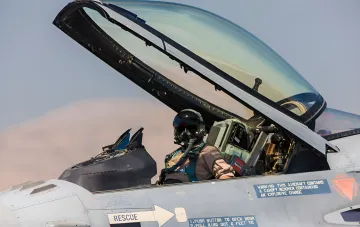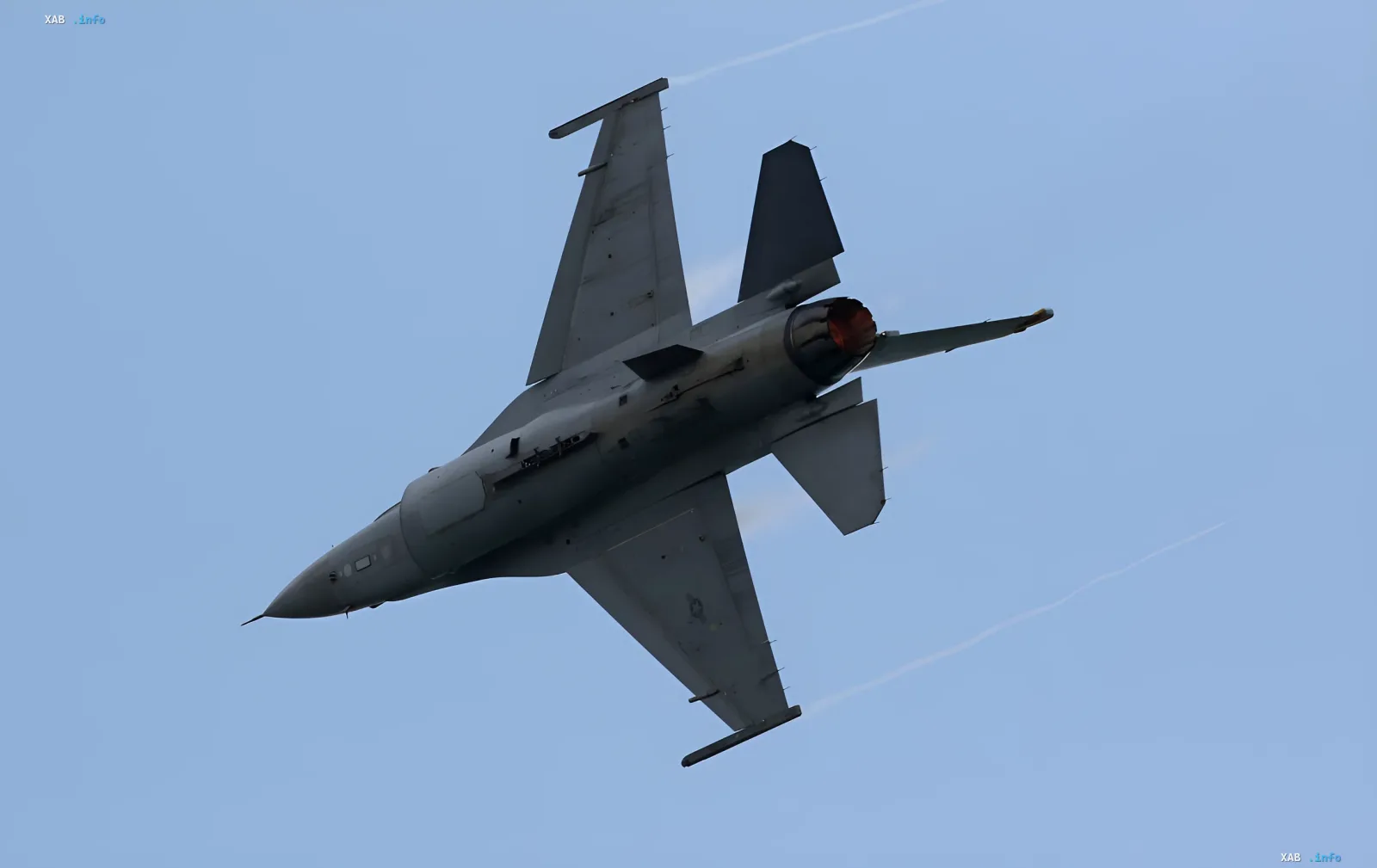
Ukrainian F-16 fighters, which have been part of the Air Force of the Armed Forces of Ukraine since 2024 and bear the main load in intercepting Russian drones and cruise missiles, have run into a sharp problem: a critical shortage of American missiles. This was stated in an interview with NEWSMAX by the commander of a Ukrainian F-16 with the callsign "Phantom," as noted by RBC-Ukraine with reference to the Air Force of the Armed Forces of Ukraine. According to the military, in some missions pilots are forced to conserve air-to-air missiles and destroy aerial targets using the aircraft's onboard cannons.
Critical shortage of American missiles
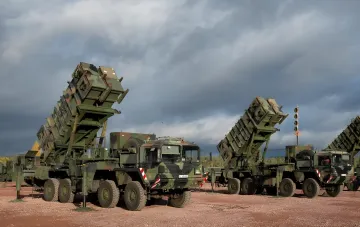
As "Phantom" emphasized, the Defense Forces lack American-made missiles, including Patriot systems and AIM-120 air-to-air missiles, which are needed to effectively intercept hostile targets at various ranges. It is precisely these weapons that form the core of the anti-aircraft missile shield that F-16s deploy over Ukrainian airspace amid massive drone and cruise missile strikes. The shortage of ammunition, in the pilot's assessment, puts at risk the fulfillment of key tasks in defending the sky.
Cannons instead of missiles
Due to the shortage, pilots have to ration the use of missiles and in some cases rely on the aircraft's onboard cannons to destroy Russian drones and cruise missiles. This approach, in effect, turns the fighter into an aircraft with limited engagement range: the cannon is effective only at short distance and requires a direct approach to the target, which increases the risks for the crew. "A plane without weapons is a useless tool," "Phantom" summed up, pointing out that without an adequate stock of missiles even a modern fighter loses its combat capability.
Contradictory data
Here it is important to honestly reflect two parallel versions. On the one hand, the F-16 pilot and a number of Ukrainian sources (RBC-Ukraine, UNIAN with reference to The War Zone, glavred) speak of a "critical" and "serious" missile shortage, with some missions being carried out using cannons. On the other hand, official and allied narratives paint a picture of continuous deliveries: in particular, it is reported that Belgium will provide Ukraine with ammunition against jet-powered "Shaheds" intended for F-16s, while the issue of deliveries and joint production of weapons is being discussed at the highest state level. Thus, the version of a "critical" shortage and the version of a steadily functioning delivery pipeline coexist in the public sphere; the discrepancy is likely due to the fact that the announced delivery volumes cannot keep up with the rate of ammunition consumption under intense strikes, although the exact figures on stockpiles and needs are not publicly disclosed.
Seeking solutions at the diplomatic level
Against the backdrop of the shortage, allies continue to look for ways to strengthen the defense of Ukrainian airspace. In addition to the Belgian shipment of ammunition, the issue of deliveries and joint production of weapons is being raised at the highest level: during his visit to the US, Ukrainian President Volodymyr Zelenskyy met with the team of Lockheed Martin — the manufacturer of the F-16 and missiles for Patriot systems — and discussed expanding cooperation, technology exchange, and increasing deliveries of critically important weapons for the Armed Forces of Ukraine. These steps are aimed at removing the "bottleneck" in the fighters' ammunition load and returning the interception of aerial targets to the planned mode using missiles rather than cannons.
Context: the role of the F-16 in the air defense system
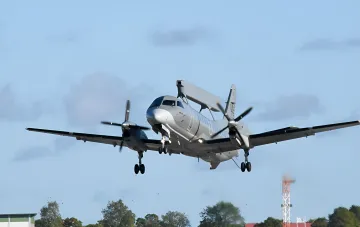
The first F-16 fighters were transferred to Ukraine in 2024, and since then they have become one of the key elements of the multi-layered air defense system, working in conjunction with air defense missile systems and electronic warfare means. The statement by pilot "Phantom" highlights a practical problem in operating these aircraft: without an adequate stock of AIM-120 missiles and Patriot ammunition, the fighter is forced to operate in a conservation mode, which reduces the overall effectiveness of repelling aerial attacks. The further dynamics will depend on how quickly allies replenish the ammunition load and launch joint production of weapons.