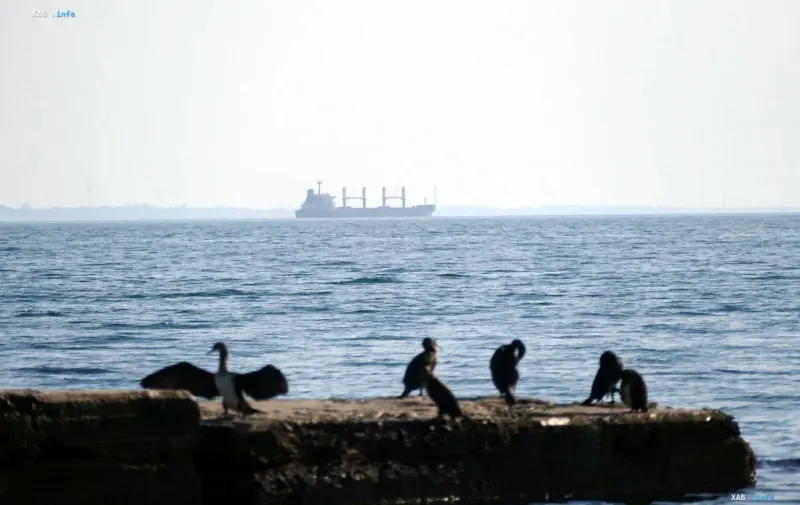
In the autumn of 2026, Ukrainian exports through Danube ports faced large-scale logistical difficulties caused by a combination of military, natural, and infrastructural factors. As of early September, about 80 vessels had accumulated near the Sulina Canal, waiting up to 17 days, which led to a significant increase in transportation costs and slowed down deliveries of grain and other cargo to foreign markets. An investigation by the We-Ukraine+ TV channel as part of the "Essence of the Matter" project entitled "Operation Black Wave" analyzed the current vessel traffic system on the Danube and related accusations against relevant agencies.
Causes of Logistical Jams and Infrastructural Limitations
The intensification of Russian shelling of Black Sea port infrastructure in Odesa, Chornomorsk, and Pivdennyi in the summer led to the redirection of a significant part of freight traffic to the Danube route. An additional burden was created by the active harvesting season, when the volume of grain crops for export increased significantly. However, the Danube route itself has strict physical and capacity limitations. The stability of navigation is affected by water levels in the river, weather conditions, and the throughput capacity of the Sulina Canal, which is managed by the Romanian Administration of the Lower Danube (AFDJ). Sergiy Nikulin, Deputy General Director of the stevedoring company Brooklyn-Kyiv, noted that the river is physically unable to process the volume of cargo produced by Ukraine.
Navigation Coordination and Queue Management
On the Ukrainian side, application coordination is carried out by the Ukrainian Sea Ports Authority (USPA), which collects data from operators, agents, and port administrations, transferring them to Romanian colleagues via the specialized Primus system. The main criterion for the queue is the date of confirmation by the port of readiness to accept the vessel, including the availability of cargo and a free berth, although priority can be given to certain categories such as container ships and gas carriers. At the same time, Cabinet Resolution No. 212 of March 6, 2022, defines the powers of the Maritime Administration, which deals with state regulation, safety, and seafarer certification, but does not form the queue at the Sulina Canal.
Anti-Corruption Investigations and Leadership Review
The situation escalated after statements by Member of Parliament Anna Skorokhod, who in August and September accused the leadership of the Maritime Administration of alleged extortion for accelerating vessel passage and queue spots at the entrance to the Danube in amounts ranging from 10 to 50 thousand dollars. Public reports mentioned the name of agency head Sergiy Hursky. The journalistic investigation conducted showed no specific evidence, correspondence, or witness testimony regarding such payments. The Ukrport association, as well as representatives of business associations and stevedoring companies, stated that they did not have confirmed information about such bribes. Against the backdrop of these accusations, the Cabinet of Ministers initiated disciplinary proceedings against Sergiy Hursky on September 9, suspending him from office, and temporary leadership was entrusted to Serhiy Maksimov. The Civil Service High Corps Commission is expected to inform the government of the audit results by October 23, 2026.
Significance of the Danube Logistics Hub for Food Security
The current situation around Danube ports demonstrates the critical dependence of Ukrainian foreign trade on the stability of transport corridors and the transparency of administrative procedures. Overcoming bottlenecks requires not only technical solutions for channel deepening and capacity expansion, but also a clear demarcation of agency powers, as well as an open investigation into all personnel and disciplinary issues. The export capabilities of the country and the stability of supplies to global food markets directly depend on the efficiency of supply chains and trust in public institutions.