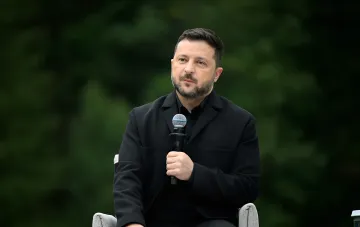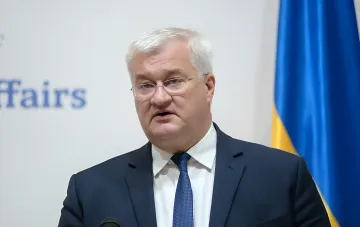
On October 17, Hungarian Prime Minister Péter Magyar stated in an interview with RTL television that Budapest is ready to allow the transit of Ukrainian grain through the country's territory bound for Western European markets. According to him, the proposal came during negotiations on October 16, when Ukrainian President Volodymyr Zelenskyy asked Hungary, Poland, Romania, and Slovakia to ensure the passage of trains carrying Ukrainian grain through their territories. Magyar confirmed that Hungary does not object to this decision under one condition: shipments must pass through the country exclusively in transit mode and must not enter Budapest's domestic market.
Sealed Trains as a Logistics Format
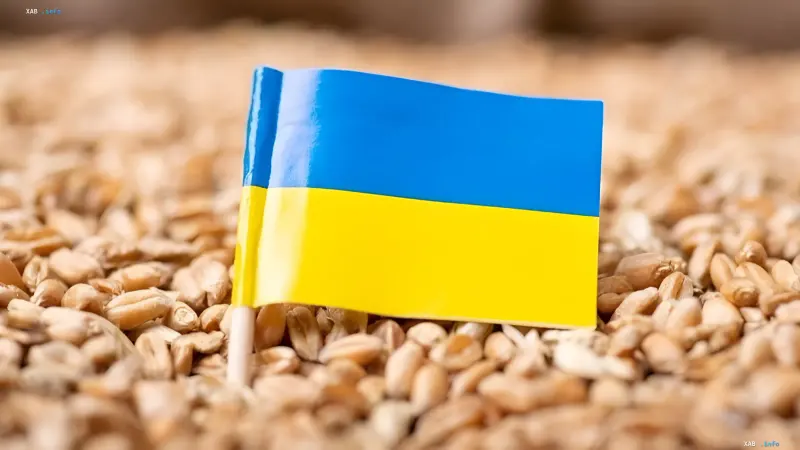
During the same conversation, Zelenskyy, according to Magyar, mentioned the option of using sealed grain carriers—specialized trains that eliminate the risk of cargo leakage or mixing when crossing multiple borders. As the Hungarian Prime Minister noted, such a logistics format was discussed back in the early stages of the Russian-Ukrainian conflict that began in February 2022, when traditional maritime routes were blocked. Before the full-scale invasion, about 90% of Ukraine's agricultural exports—wheat, corn, and sunflower seeds—went through Black Sea ports, making the country one of the key suppliers of grain to global markets.
Drought in the EU Boosts Demand for Ukrainian Grain
The proposal to simplify rail transit came against the backdrop of a serious drop in crop yields within the European Union itself. According to a European Commission forecast published in late August 2026, EU corn production in the current season could amount to only 50.1 million tons—the lowest figure in nearly 20 years and approximately 20% below the average of the last three years. Abnormal heat and drought hit yields primarily in France and Hungary, creating an additional deficit of feed and food grain in the union's domestic market. Under these conditions, access to Ukrainian supplies via the land corridor is acquiring strategic significance for Brussels.
Restoring Relations and the Issue of Weapons
Aside from the grain topic, Magyar stated that during negotiations with Zelenskyy, the parties managed to agree on restoring bilateral relations between Hungary and Ukraine, which had been strained in recent years. The Prime Minister expressed solidarity with Kyiv over Russian strikes on Ukrainian territory, but confirmed that Budapest does not plan to supply weapons to Ukraine. Separately, Magyar raised the issue of protecting the rights of the Hungarian minority living in Ukraine, stating that this point remains a priority for Hungary within any bilateral dialogue.
What's Next: Budapest and Brussels React
Magyar's statement marked the first public confirmation by Hungary of its readiness to lift the logistical restriction on the transit of Ukrainian grain, which over recent years has remained one of the most acute points in relations between Kyiv and Budapest. Now, the key issue is practical implementation: coordinating schedules for sealed trains, customs procedures at four borders (Ukraine — Poland/Romania — Hungary/Slovakia — Western Europe), and guarantees that the transit regime will be observed. For Ukraine, whose agricultural sector is still reeling from the blockade of Black Sea exports, opening the land corridor can partially compensate for losses and stabilize exporters' incomes. For the EU, facing record-low corn yields, additional volumes of Ukrainian grain can ease price pressure on the food market ahead of the winter season.