A new wave of technological protectionism is unfolding in the United States. The Federal Communications Commission (FCC) has decided to impose strict restrictions on the import of modern robotic devices manufactured abroad. Citing national security concerns, the regulator stated that autonomous robots could pose "unacceptable risks" to the country.
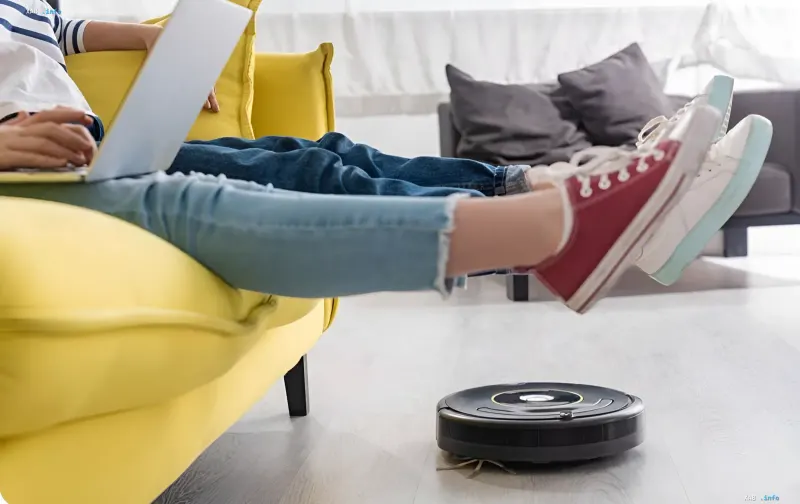
Although initial media discussions focused on restrictions exclusively for humanoid robots, the FCC's final definition turned out to be significantly broader. The new rules target not only complex androids but also familiar household assistants: robotic vacuums, robotic lawnmowers, delivery devices, and other autonomous systems.
What exactly is banned?
The key factor for the regulator is the origin of the products. The FCC requires full transparency from companies: they must disclose exactly where devices are developed, manufactured, assembled, and tested. Furthermore, manufacturers are expected to commit to localizing production within the United States.
The new rules will affect a wide range of equipment that meets the following criteria:
- Robotic devices capable of moving across a surface.
- Equipment equipped with cameras or other sensors.
- Devices capable of collecting data and transmitting it remotely.
- Robots that can interact with people or objects in the real world.
Many popular models manufactured in China fall under these criteria. In the future, to bring such devices to the American market, manufacturers will have to either obtain special permits or relocate their production facilities to the United States.
Device owners have nothing to fear
Despite the strictness of the new regulations, the news poses no threat to ordinary consumers. As noted by Tom's Guide, the restrictions apply exclusively to future models that are only planned for release on the market.
Devices that have already been officially imported into the US or received preliminary FCC approval remain legal. Owners of robotic vacuums and other equipment will not have to discard their purchased devices, and manufacturers can continue selling models that were certified before the new rules took effect.
Consequences for the market
The new rules could seriously affect many major industry players. Since most popular brands manufacture their products in China, they will have to find new ways to enter the American market. The restrictions concern not so much software verification as the geography of production and assembly. This forces companies to rethink their supply chains and invest in localization to maintain their presence in one of the world's largest technology markets.