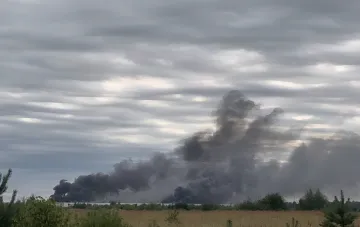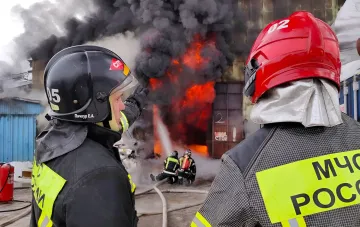
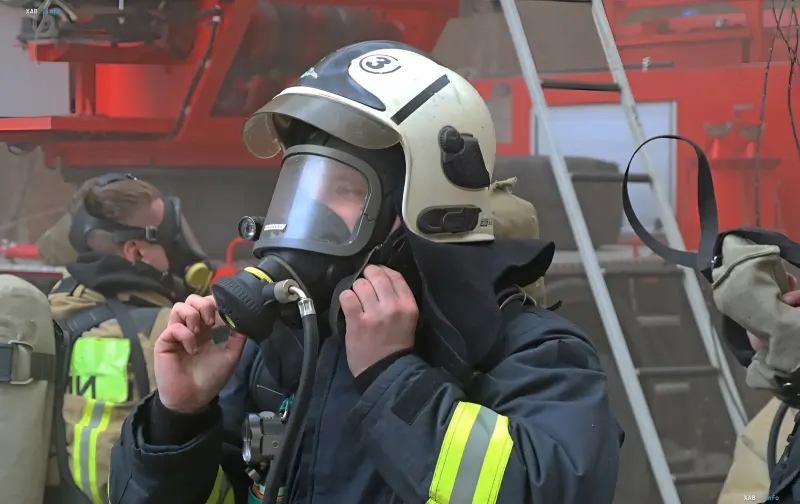
On the night of July 31, a large-scale fire broke out at the Belgorod State Technological University (BSTU) named after Vladimir Shukhov in Belgorod. The fire started immediately after an attack by unmanned aerial vehicles (drones), as evidenced by published footage from the university campus.
Drone Attack and Consequences
Throughout the night, the operational headquarters of the Belgorod region issued several warnings to residents about the danger of drone strikes. According to sources, including the Telegram channels Exilenova+, "Ash of Belgorod," and the ASTRA agency, the fire at the university began precisely after the drone attack. Russian authorities have not yet officially reported on the scale of damage or casualties.
University and UAV Control System Development
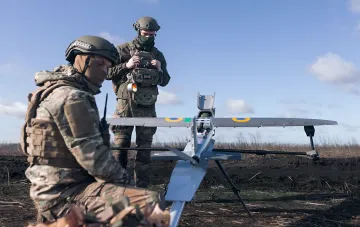
BSTU named after Shukhov is known for its work in the field of drone technologies. The university has previously announced the development of an automated unmanned aerial vehicle control system based on the Russian "Milandr" processor. According to the university, this system was intended exclusively for civilian tasks: monitoring power lines, heating pipelines, and aerial photography.
Furthermore, BSTU participates in a state program for training specialists in the operation of unmanned aviation systems. The educational institution trains UAV operators, as well as specialists in technical maintenance, navigation, control systems, and data processing for drones.
Context: Strikes on Other Regions of Russia
The attack on BSTU occurred against the backdrop of a series of strikes by Ukrainian drones on targets in Russia. In four days, drones hit four oil refineries and a sea terminal. On the night of July 31, FPV drones also struck the Wildberries logistics hub and an oil refinery in Volgograd. Explosions were also recorded in Kazan and Zelenodolsk — preliminary data suggests that Wildberries facilities may have been hit.
Thus, the attack on BSTU named after Shukhov became part of a broader wave of strikes on infrastructure and industrial facilities in Russia, highlighting the growing role of unmanned technologies in modern conflicts.