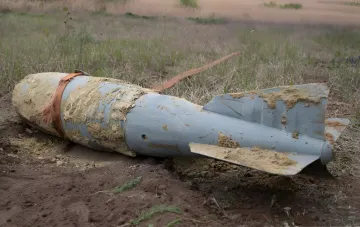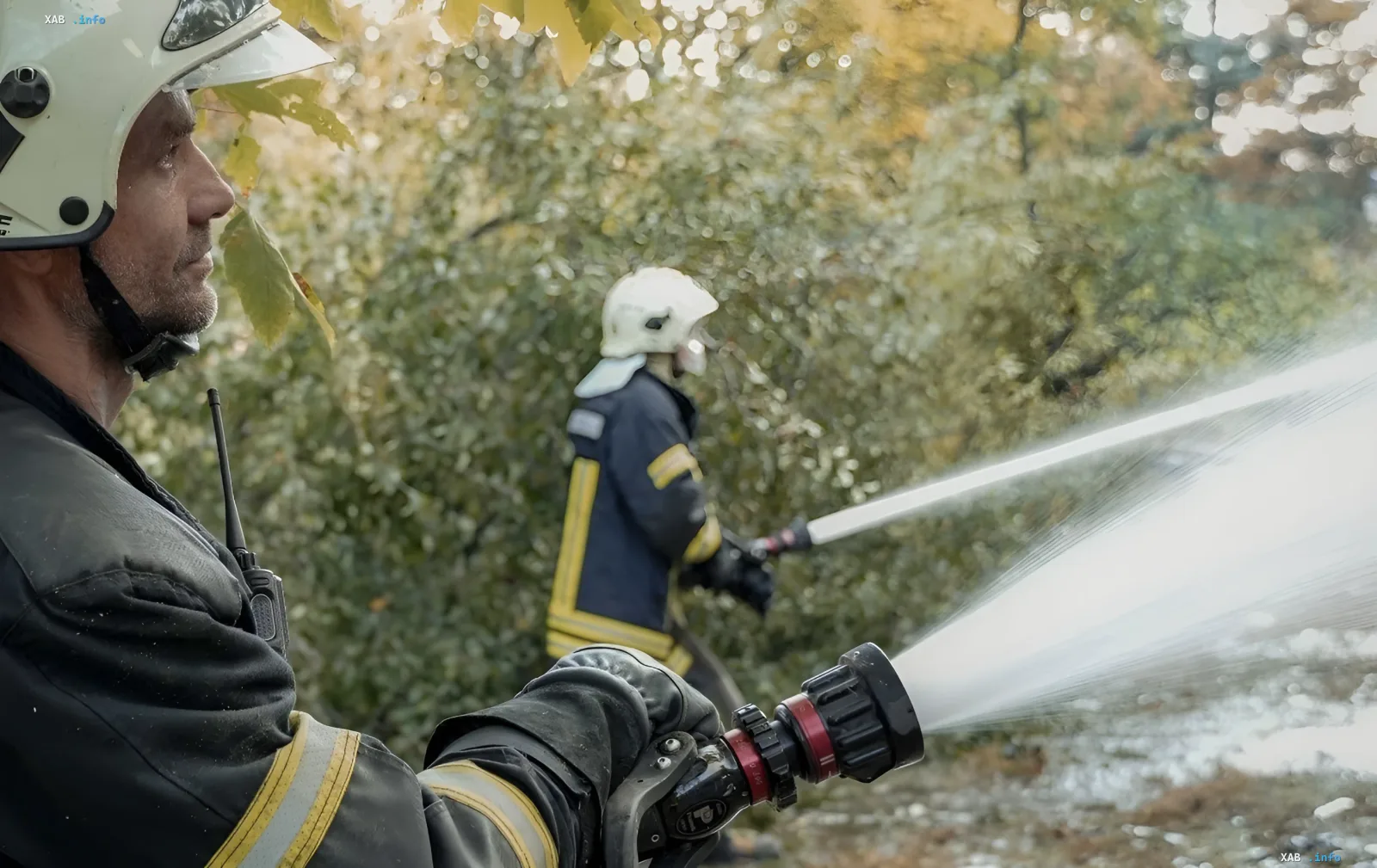
On Wednesday, October 7, 2026, the capital of Ukraine faced another severe attack by Russian occupation forces. As a result of falling debris from intercepted enemy drones, residential infrastructure damage, fires, and casualties were recorded in several districts of the city. The most difficult situation unfolded in the Solomianskyi district, where falling debris damaged a multi-apartment residential building and private houses.
Scale of Destruction and Emergency Services Operation
Kyiv Mayor Vitali Klitschko promptly confirmed information about the emergency via Telegram channels, reporting that a fire broke out in a 5-story residential building in the Solomianskyi district due to falling debris. State Emergency Service crews, ambulances, and other specialized municipal emergency services were immediately dispatched to the scene. The mayor later added that a fire had also broken out in a private residential house in the same Solomianskyi district, and information was received from another address about an injured person receiving medical assistance.
Consequences of Debris Falls in Other Districts
The threat also affected other parts of the Ukrainian capital. Specifically, in the Dniprovskyi district, drone debris fell directly near the grounds of an educational institution. According to preliminary operational information from specialized agencies, this sector avoided large-scale fires and serious infrastructure destruction, although specialists continue to inspect the area for explosive ordnance.
General Context of the Massive Night Strike
It is worth noting that this incident was part of a large-scale and combined air attack on Ukrainian regions carried out on the night of October 7, 2026. The aggressor country used a wide range of weapons, including attack drones, ballistic and North Korean missiles, as well as Kalibr-type cruise missiles. Ukraine's air defense forces successfully eliminated the majority of aerial targets, but dangerous impacts were recorded in a number of regions.
Contradictory Data
During the operational coverage of events, monitoring groups and certain media outlets encountered certain discrepancies in assessing the scale of destruction and attack timings. Some open sources indicate damage to transport enterprises and infrastructure facilities in various parts of the city, and also note discrepancies in data regarding the number of casualties during the initial stages of cleanup. Nevertheless, key official officials confirm the localization of major fires and ongoing rescue operations.
Expert Assessments and Next Steps
Military experts emphasize that the enemy's regular attempts to strike densely populated areas of the capital require further strengthening of multi-layered air and missile defense systems. The threat of falling debris from intercepted targets remains a critical risk factor for civilians, prompting city authorities to once again urge residents to strictly follow safety rules and stay in shelters during air raids.