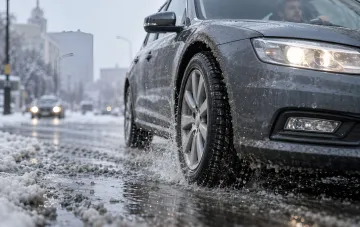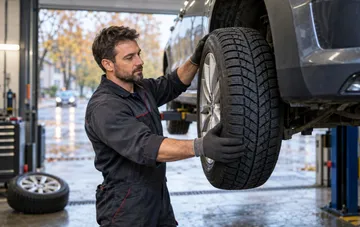
A long warm season gives motorists a false sense of reliability: even a used car works without a hitch in summer, masking hidden defects. However, the first sustained frost instantly exposes all the weak points of the design — and it does so without any mercy. Sub-zero temperatures fundamentally change the properties of the materials that make up a car: rubber becomes brittle, fluids thicken, and electronic sensors become covered in a crust of ice. A modern car is undoubtedly designed to operate in freezing weather, but older cars have deviations from factory specifications, and the owner themselves — through modifications, negligent maintenance, and seasonal habits — further reduces the frost resistance of their vehicle. Therefore, preparing for the first cold snap is mandatory for every driver, even if the car is parked in a warm garage.
Moisture in the cabin: the invisible enemy of safety
The first and most common problem of the early frosty days is excessive humidity inside the cabin. Settling on cold windows, micro-droplets of water create an opaque "screen" on the windshield, and in the frost, they turn into rime that has to be scraped off every time or waited out until the heater melts it. Fighting such fogging with the air conditioner in winter conditions is ineffective. The sources of moisture are mundane: water-soaked mats, a wet cloth for wiping glass, an umbrella, or a jacket left in the trunk after the rain. Additional causes of wet windows and mold on the upholstery include a clogged cabin air filter and malfunctions in the climate control system, which, for example, fails to supply fresh air from the street, remaining in recirculation mode. Before the cold snap, it is necessary to check the cleanliness of the filter and the correct operation of the ventilation and heating system, as well as remove everything liquid and "summer-related" from the cabin, under the hood, and in the trunk.
Frozen seals: how not to break the door handle
The second most frequent "breakdown" of the early frosts is the impossibility of opening your own car. Yesterday's rain or fog wets the rubber seals of the doors and trunk lid, and the night frost firmly binds the rubber to the body metal. Persistent attempts by the driver or passengers to open the door end with a broken handle or a torn seal. The solution is simple and affordable: before the cold snap, treat the door rubbers with a special silicone spray. As a budget alternative, ordinary soap will do. The same composition should be used to treat the lock and hinges of the fuel tank flap — it is these elements that are most often "seized" on the very first frosty nights.
Auto expert and founder of the electric vehicle project Autogeek Yevhen Mudryi emphasizes that most standard tips boil down to changing tires and pouring winter washer fluid, but in practice, morning problems begin with minor things that few people think about in advance. A frequent breakdown of the early frosts is the wiper fuse or motor. The reason is that many modern cars are equipped with an automatic rain sensor mode: if the driver left it active from the evening and started the engine in the morning, the wipers will try to make a sweep across the glasses to which they froze overnight. A similar threat applies to cameras and radars of active safety systems — lane keeping assist, adaptive cruise control. Fogged or ice-crusted sensors can issue errors on the dashboard or suddenly malfunction on the road. Before parking in conditions of expected frost, you should turn off the automatic modes of the rain sensors and check that the optical elements of the cameras are clean and dry.
Parking brake: why the car may not move
On wet autumn and winter days when frost can be expected every night, experienced drivers are cautious about using the parking brake. The risk is that a wet handbrake freezes: the brake pads, left in a braked state while damp, stick tightly to the discs or drums. In the morning, the car simply does not budge, and attempts to "rock" it can damage the braking system. To avoid freezing, it is enough to dry the wheel mechanisms of the handbrake by braking with it on the move for the last tens of meters before parking. A more radical method is to hold the car in the parking lot during damp days with the threat of frost not with the parking brake, but with the transmission, engaging first or reverse gear. This approach is especially relevant for manual gearboxes and allows you to completely eliminate the contact of the pads with the discs in a braked state.
Checklist before the first frost
Bringing all recommendations together, before the onset of sustained sub-zero temperatures, a driver should perform several actions: remove all sources of moisture from the cabin and trunk, check and, if necessary, replace the cabin filter, make sure the climate control system works correctly, treat the rubber door and trunk seals with silicone spray or soap, check the condition of the wiper blades and the functionality of the motor, turn off the automatic rain sensor mode before parking, and on wet days with the threat of frost, use the transmission instead of the parking brake. These simple measures take no more than half an hour, but they allow you to avoid most typical "frosty" breakdowns and, more importantly, maintain driving safety in the first cold days of the season.