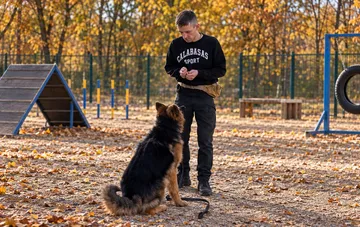
Training a pet goes far beyond following commands at home. The real test for any dog is walking outside, surrounded by strangers, other animals, sounds, and scents. However, as canine expert Valeriy Mashchenko notes, behavioral issues outdoors are often caused by the unconscious mistakes of the owners themselves. Understanding these common pitfalls helps build a better connection with the animal and makes daily outings comfortable and safe for both sides.
Leash pulling errors and reaction to stimuli
When a dog suddenly pulls the leash forward, many owners instinctively try to stop it with a sharp jerk in return. This method not only causes physical discomfort to the animal but fails to teach it what behavior is actually expected. The UK Royal Society for the Prevention of Cruelty to Animals recommends a different approach: stop walking every time the leash goes taut and resume movement only once the tension eases. If the pet walks calmly by your side, it should be praised or rewarded with a treat.
Moreover, outdoor distractions often cause dogs to ignore their owners. If a pet is not accustomed to paying attention to the handler in a calm setting, it will struggle to respond to commands amid distractions. Experts advise practicing basic attention indoors first, gradually moving exercises outside and rewarding the pet for proper focus.
Uncontrolled contacts and dangerous street finds
Allowing a dog to run around and interact with other dogs does not always lead to positive outcomes. Not every animal is eager to play; some dogs experience fear, discomfort, or require personal space. Allowing a pet to approach unfamiliar dogs without control risks sparking a tense or aggressive conflict. Before any interaction, owners must evaluate the behavior of both animals and ask the other owner for permission.
Another serious hazard on walking routes includes discarded food, bones, and unknown objects. Ingesting such finds can lead to poisoning, toxic substances, or sharp fragments. Careful route monitoring and training the pet to leave items on command help prevent these risks.
Punishing barking and the importance of proper motivation
A frequent mistake among owners is punishing a pet for barking or showing fear outdoors. The expert emphasizes that barking does not always mean aggression or disobedience—it can stem from fright, high excitement, or discomfort in unfamiliar environments. Instead of physical force or shouting, owners should identify the root cause of the reaction and help the pet feel safe, increasing distance from frightening stimuli if necessary.
Positive reinforcement plays a crucial role. If an owner only pays attention when the dog jumps or acts overly excited, the pet will reinforce that destructive behavior. Conversely, calm behavior requires regular praise. If a dog's behavior changes abruptly or shows signs of pain, consulting a veterinarian is essential.
The importance of real-world socialization
Successful training relies on gradually increasing challenges and respecting individual personality traits. Respecting personal boundaries, managing fears properly, and avoiding forceful methods build stable behavior. A well-trained dog is defined not by indoor obedience, but by the ability to remain calm and react properly in the real world.