Taras Vysotsky, Ukraine's Minister of Agrarian Policy and Food, stated on a television marathon that food prices will not change significantly in the coming days and weeks and are, on the whole, "holding steady." At the same time, he did not rule out a price increase in the future, naming the key risk factors and directly answering whether Ukrainians should build up extra stockpiles. This was reported by RBC-Ukraine, citing the minister's remarks.
Current dynamics: no shortage, good harvest
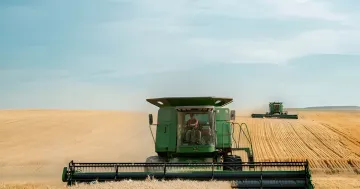
According to the head of the Ministry of Agrarian Policy, there is no physical shortage of goods on the shelves. The minister emphasized that this year's harvest is good, so the volume of production will not negatively affect prices. This means that the basic supply of food in the country remains stable, and any future price fluctuations will be linked not to a lack of food but to the costs of delivering it and the energy factor.
Logistics as the main driver of price increases
One of the main factors behind a possible price rise, Vysotsky named, is the change in logistics. A preliminary economic calculation shows that a switch to road transport delivery "from the wheels" could raise the cost of the food basket by an average of 2.5–3%. The reason is the need to deploy more vehicles, working hours, and other associated costs. Importantly, this figure is preliminary and is the result of modeling, not a fact already reflected on the shelves.
The energy component and external risks
Separately, the minister highlighted the energy component — the cost of fuel, electricity, and gas. According to Vysotsky, this is precisely what could affect prices in the future, in particular after direct threats from the aggressor state. No other critical challenges to the final cost of food are observed at this time, according to the Ministry of Agrarian Policy.
Why stockpiles for a week or two are unnecessary
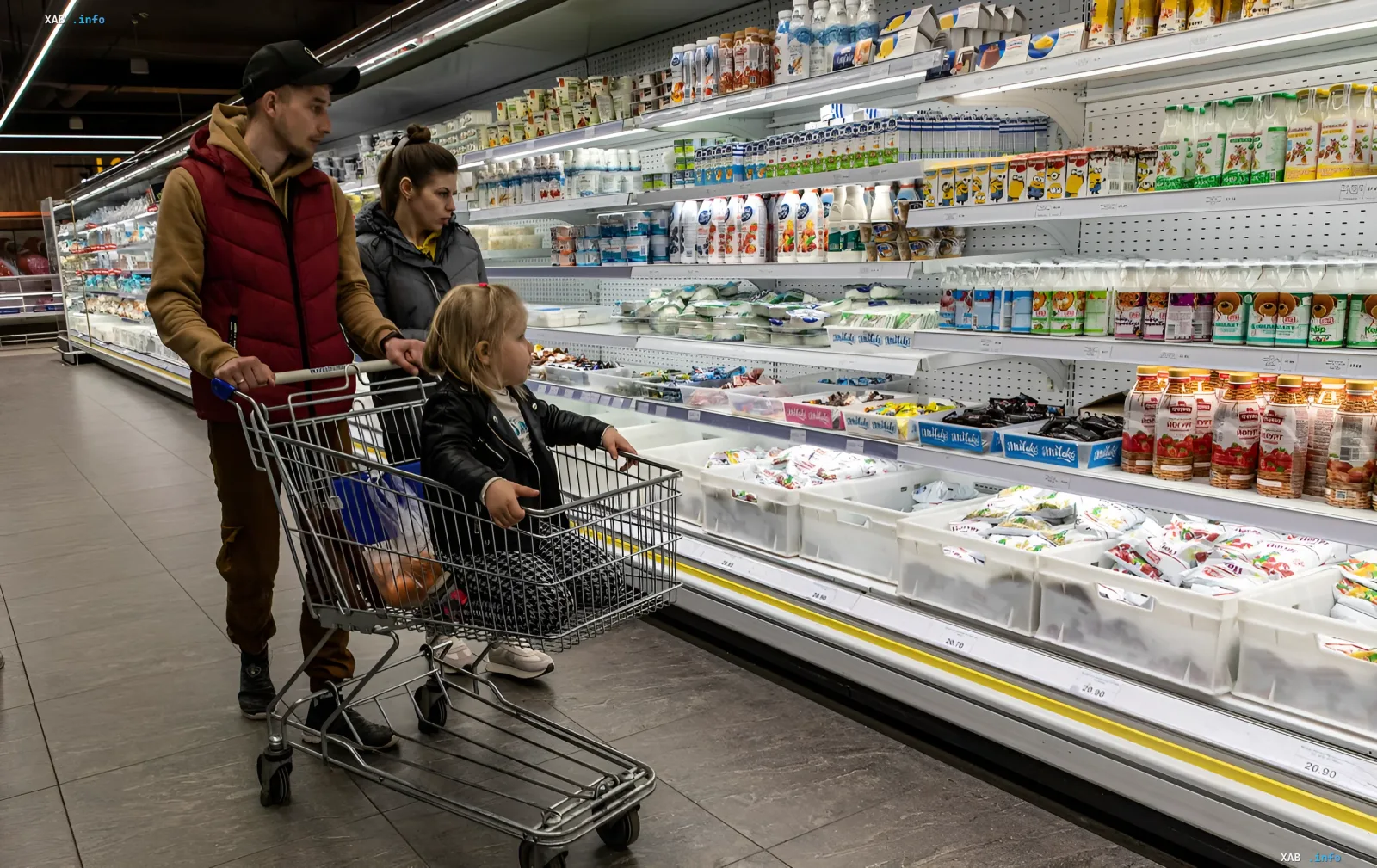
The minister sees no reason to build up food stockpiles for a week or two. He explained that storage capabilities should be taken into account: several bags of sugar or flour may simply spoil or become infested with pests. In his words, a one-week planning horizon for purchases was common among most families even before, and the necessary products can be found within a week in any settlement, so there is no point in making extra stockpiles at the risk of spoilage.
Context: strikes on food enterprises
The minister's statements came against the backdrop of a series of strikes on the food industry's infrastructure. This summer, Russian strikes hit the distribution facilities of food producers, including Danone, Lactalis, and the Yagotyn baby food dairy plant; due to the destroyed warehouses, businesses warned of possible supply disruptions. Only on 27–28 August did a number of enterprises come under attack — from "Epitsentr" to "Khortytsia." It is precisely these events that shape the logistical and energy risks that the Ministry of Agrarian Policy is talking about.