Mid-September 2026 in Kyiv is marked by repeated incidents involving the shelling of logistics warehouses, which is causing periodic disruptions in the supply of certain food categories. According to RBC-Ukraine, which prepared a report on food price dynamics through the end of the year, such disruptions can temporarily push up demand and prices in retail outlets, but they do not indicate a shortage at the national level. Market experts emphasize that this is a local and temporary effect, not a systemic supply crisis.
The mechanism of panic demand
Maxim Hopska, head of the analytics department at the Ukrainian Club of Agribusiness (UCAB), explains that panic buying arises at the moment when consumers simultaneously begin to actively purchase a particular product, while retailers cannot quickly ramp up its supply. 'If consumers simultaneously start buying much more of a certain product, retail does not always manage to increase its supply just as quickly. This is especially noticeable when supply disruptions occur,' the expert explained. Thus, price increases in individual stores reflect a lack of product on the shelf at a given moment, not an actual reduction in its overall volume on the market.
Shortage or local disruption
At UCAB, they warn against hasty conclusions: it is incorrect to assess the state of the market based on the situation in individual stores. For an objective assessment, according to specialists, production volumes, the availability of stocks, and supply capabilities are more important than short-term fluctuations in a specific retail chain. This means that even with noticeable disruptions in certain regions or outlets, a nationwide food shortage may not be observed.
Impact on prices and the long-term trend
UCAB experts note that panic buying can temporarily push prices up. However, if there is enough product on the market, this effect gradually disappears after supply normalizes and does not form a sustained long-term trend toward price increases. In other words, the price increases linked to the shelling of warehouses are episodic in nature and should not be regarded as a signal to reassess the entire price dynamics for the year ahead.
Context: vegetables and sunflower oil
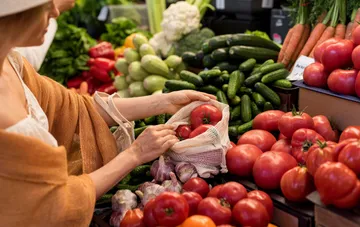
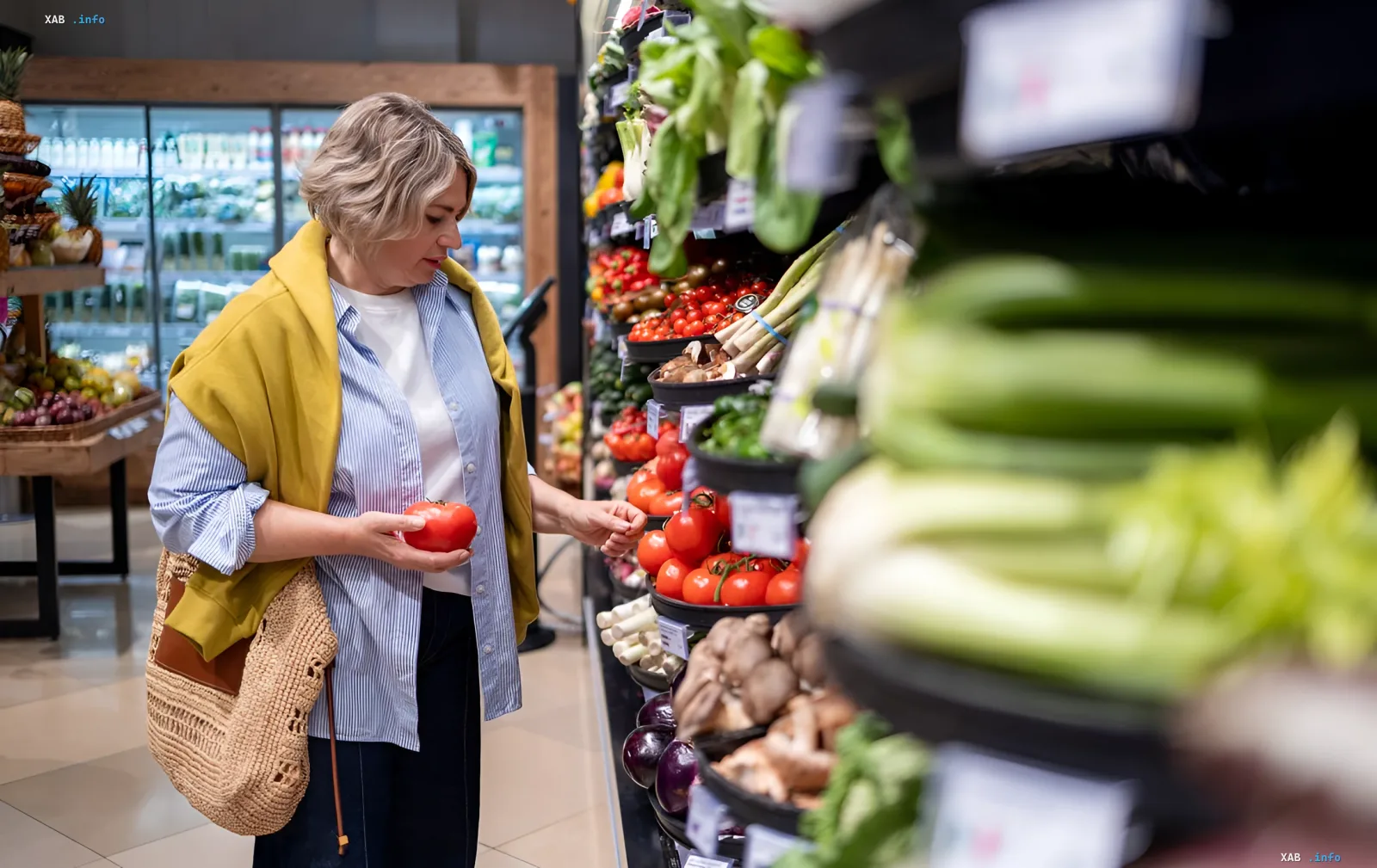
Against the backdrop of these processes, the market is also recording seasonal changes. According to the same sources, domestic vegetables are experiencing seasonal price declines — the result of the new harvest arriving; at the same time, once the produce is put into storage, prices may rise again. Separately, Maxim Hopska noted that the new sunflower crop creates the preconditions for stabilizing oil prices, but, in his assessment, this will not lead to a significant cheapening of the product. The combination of these factors shapes the current, volatile but not catastrophic picture in the food market.