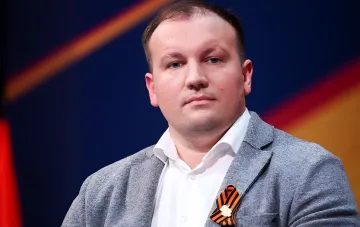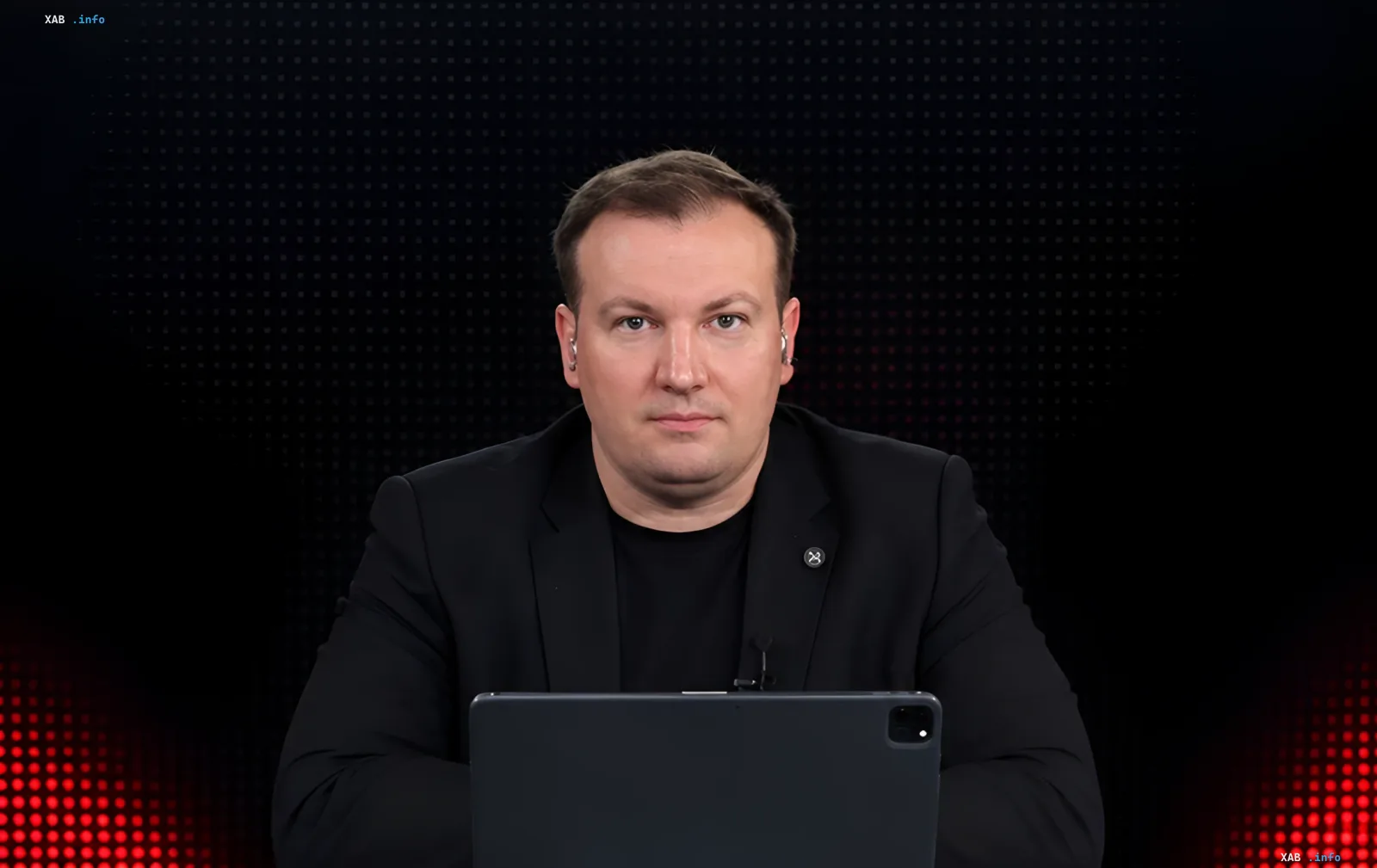
Montenegrin law enforcement authorities have decided to expel notorious Russian propagandist and founder of the pro-war Telegram channel 'Rybar' Mikhail Zvinchuk from the country. Along with him, his wife and three other Russian citizens will be deported, as local authorities accuse them of activities posing a direct threat to the national and internal security of the Balkan republic.
Special Operation Details and Seized Equipment
A large-scale special operation was carried out by the Montenegro Police Directorate in close coordination with the National Security Agency (ANB) in the town of Risan. During searches and raids at the residences of Zvinchuk and his associates, law enforcement officers discovered modern unmanned aerial vehicles, as well as complex digital and telecommunication equipment. These findings served as the basis for initiating a full-scale criminal investigation against the detainees.
EU Sanctions and Questions Regarding Schengen Transit
An official statement by the Montenegrin police emphasizes that Mikhail Zvinchuk is under personal European Union sanctions imposed back in 2023 for activities that undermine Ukraine's sovereignty and territorial integrity. These restrictions provide a strict ban on entry and transit through the territory of EU member states.
Contradictory Data
Serious questions have arisen regarding Zvinchuk's travel route through Europe. According to an investigation by the Bosnian publication Detektor (BIRN) and Agency.Novosti reports, the blogger flew to the Balkans from the German airport of Memmingen. Notably, this airport lacks a transit zone that would allow a transfer without formally entering the Schengen area. This means Zvinchuk freely stayed in Germany, passed passport control, and bypassed European sanctions before arriving in Sarajevo on October 2 and entering Montenegro via the Zupci land border crossing on October 7. Montenegrin security services detained him on October 9, 2026.
Consequences and Next Steps
The incident has caused a wide international resonance, exposing vulnerabilities in monitoring compliance with the sanctions regime within the Schengen area. Security experts note that the presence of Russian propagandists and hybrid network operators in European countries creates systemic risks. Zvinchuk's impending expulsion will be an important step in curbing the destructive activity of Russian information structures in Montenegro.