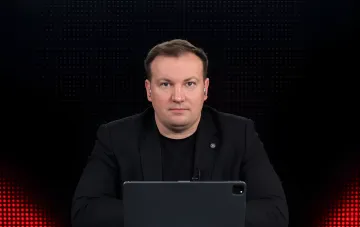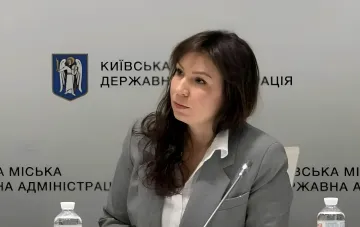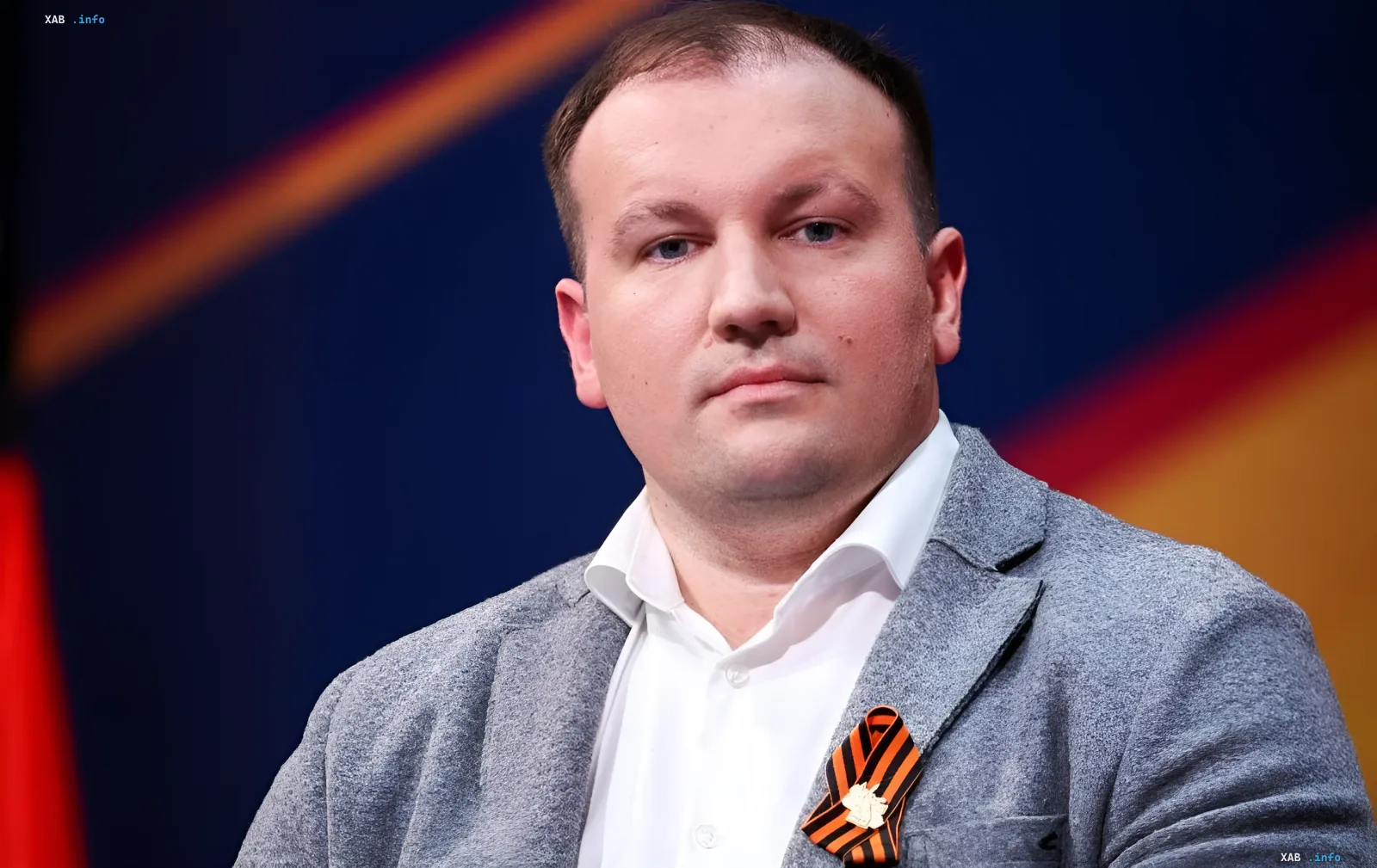
On the morning of October 9, 2026, law enforcement agencies conducted a special operation in the Montenegrin town of Risan, resulting in the detention of Mikhail Zvinchuk, one of the most prominent Russian authors of pro-war Telegram resources and creator of the 'Rybar' channel. Along with him, security forces detained his wife and three other individuals who were in the same premises. The operation was carried out jointly by local police and the National Security Agency of Montenegro.
Background and International Search
The detention of Zvinchuk marks a new turn in the chain of international pressure on structures and authors associated with pro-war content in Russia. Back in 2024, the United States officially announced a major financial reward of 10 million dollars for any information about the 'Rybar' Telegram channel or related individuals. Washington justified this by suspicions of attempts to influence American elections and promote destructive narratives.
Sanctions and Financial Ties
In addition, the project's activities have repeatedly become the focus of Western regulators. In July of previous years, the United Kingdom and the European Union imposed personal sanction packages against the management and employees of the resource. Analytical reports from Western agencies have repeatedly emphasized that 'Rybar' actively contributes to strengthening Russia's military potential.
Contradictory Data
Regarding the sources of project financing, researchers' opinions and official data differ. Historically, analysts linked the initial stage of the channel's existence and promotion with the liquidated head of PMC Wagner, Yevgeny Prigozhin. However, in the subsequent period, financial support for the project, according to foreign and specialized investigations, shifted to the Russian state defense-industrial corporation Rostec, which has been under strict US restrictions since mid-2022.
Consequences and Reaction
The current arrest in Montenegro demonstrates the growing vulnerability of opinion leaders and media managers who have come into the spotlight of Western intelligence services and international sanction lists. Experts note that extradition or further legal procedures regarding Zvinchuk could significantly affect the functioning of the entire network of pro-Russian and anti-Western information resources operating outside the Russian Federation.