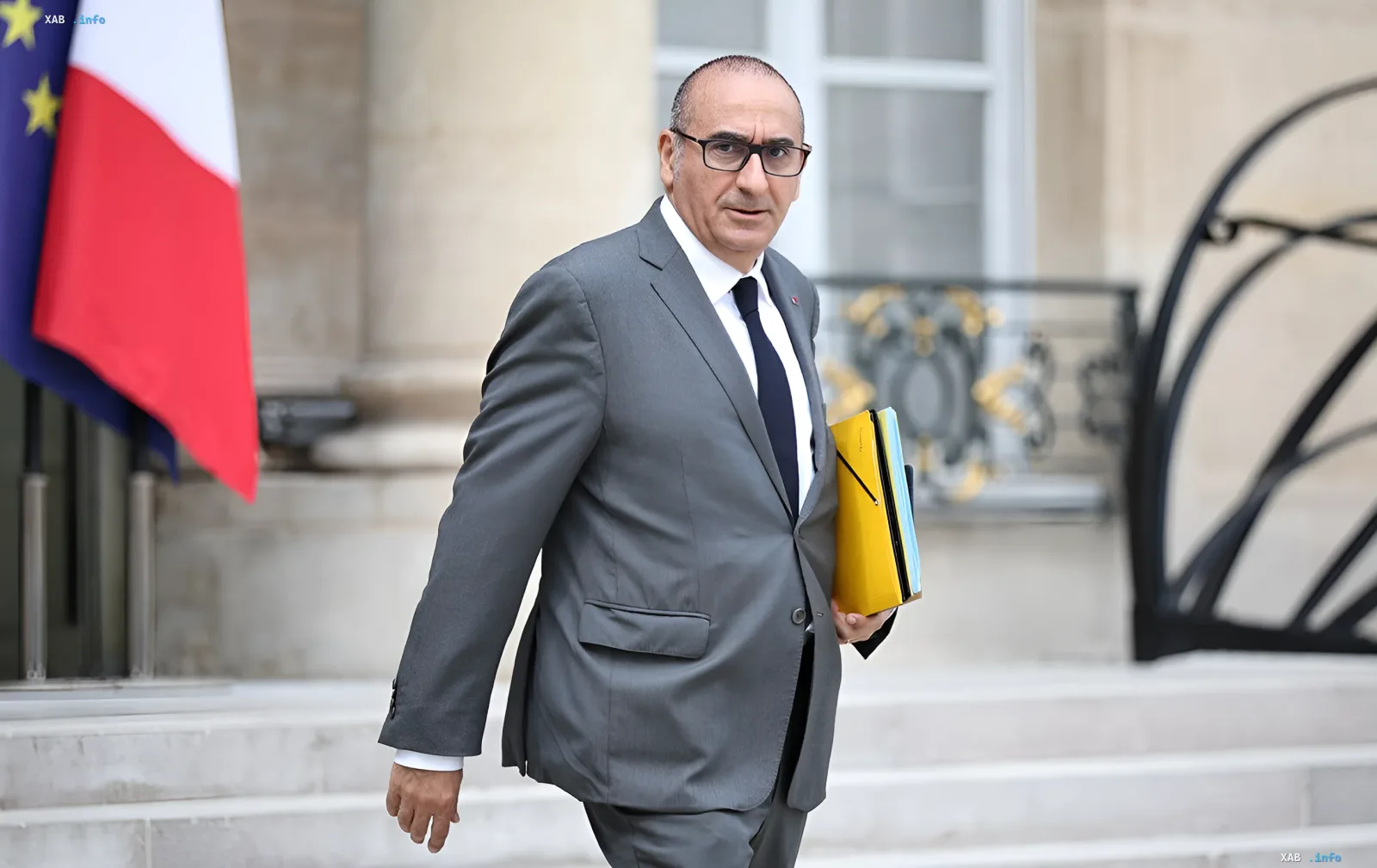
French Interior Minister Laurent Nuñez stated on BFMTV that French authorities are not exaggerating the scale of the Russian threat and that most European intelligence services acknowledge the existence of a hybrid threat from Moscow. According to him, Paris is tracking both the physical and digital manifestations of this activity, which is why, in the Interior Minister's assessment, downplaying the risks would be irresponsible. The statement came against a backdrop of growing alarm in Europe over drone flights near airports and a series of cyber incidents.
Drones near airports and cyberattacks: what is alarming Paris
Among the specific examples, Nuñez cited cases of unmanned aerial vehicles flying near European airports, which, he said, had been recorded over the past months, including over the recent weekend. The minister stressed, however, that hybrid attacks are not limited to physical incidents: he also included cyberattacks among the threats. In France, he noted, such cyber incidents have already been recorded, while serious acts of sabotage or drone flights directly over the country's territory have, according to him, not yet occurred. "There have been no serious acts of sabotage in France, but we do experience cyberattacks. What is happening in Europe is also a cause for concern," the Interior Minister added.
Context: Macron's instructions and the infrastructure protection plan
Nuñez's statement came a few days after French President Emmanuel Macron met with the leaders of the country's main political parties. The French leader then spoke about the risks of escalation of Russia's hybrid war in France and called for preparation for possible attacks. Macron instructed the government to develop a plan to protect critical infrastructure, as well as the most vulnerable defense industry and technological base facilities, from drone attacks and cyberattacks. Thus, the minister's public statements fit into a line of strengthening readiness that has already been set at the level of the head of state.
Regional backdrop: warnings from Poland, Lithuania and Latvia
The French statements come at a time when a number of European countries have already warned of possible hybrid actions by Russia. Poland reported increased activity by Russian special services against infrastructure supporting Ukraine; among the potential targets were the railway, bridges and border crossings. Lithuania, for its part, stated that it possesses the same intelligence data on possible Russian provocations as its allies and warned of possible operations "under a false flag." Against this backdrop of concern, Vilnius prepared an evacuation plan for the capital's residents in case of a military threat or large-scale crisis, with Poland named as one of the possible directions of departure. Latvian President Edgars Rinkēvičs separately warned about the vulnerability of Europe's air defense system, noting that a Russian launch of several missiles into NATO territory could become a serious test for many countries.
Contradictory data
The statements by French authorities contain a notable internal inconsistency that must be reflected honestly. On the one hand, Nuñez emphasizes a "real and documented" threat and refers to drone flights near European airports, including over the recent weekend. On the other hand, he himself explicitly states that no serious acts of sabotage or drone flights have yet been recorded on French territory, limiting the incidents to cyberattacks. In other words, the "documentation" of the threat for Paris rests primarily on European, rather than French, incidents, and a gap remains between the general rhetoric about the scale of the threat and the actual list of incidents within the country, a gap that officials do not disclose in detail. At the same time, different European capitals give comparable but not identical assessments: some speak of provocations being prepared, others of actual incidents, and a third group emphasize the vulnerability of air defense, creating a picture of divergent readings of the level of threat confirmation.
What this means for France and Europe
Taken together, the statements by the French Interior Ministry and the preceding instructions from the president indicate that Paris is moving the topic of Russian hybrid activity from the category of hypothetical risks to the operational agenda: plans to protect critical infrastructure and defense-industry facilities are being prepared. For Europe as a whole, this increases pressure for coordination of intelligence and air defense between capitals, especially against the backdrop of warnings from Poland, Lithuania and Latvia. At the same time, as French authorities themselves emphasize, the key confirmed channel of threat today remains cyberattacks, while the physical component — drones and sabotage — is documented mainly at the level of neighboring countries.