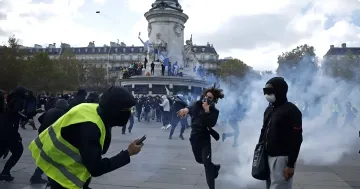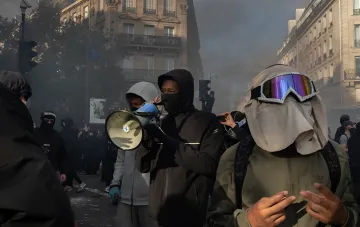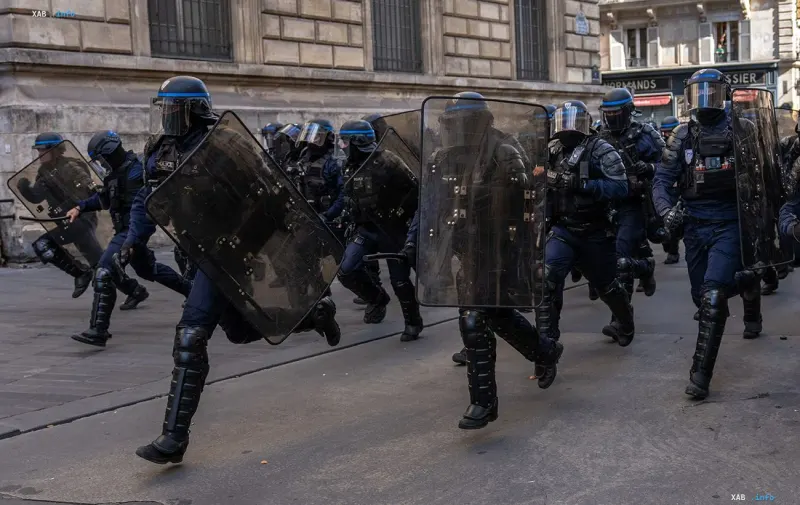
France is deploying unprecedented security forces as 70,000 police officers and gendarmes are scheduled to be mobilized on Saturday, October 24, 2026. The decision comes against the backdrop of large-scale protests over the high cost of living, which last week escalated into riots, storming of government buildings, and looting.
Security Measures and Closure of Major Museums
Authorities are stepping up security measures to prevent a repeat of riots and clashes with law enforcement. The French Ministry of Culture has ordered the closure of the country's leading cultural institutions, including the Louvre, the Orsay and Picasso museums, and the Grand Palais complex. The ministry has instructed institutional leadership to take comprehensive measures to protect staff, visitors, and priceless works of art from potential unlawful acts.
Participants and Positions of the Parties
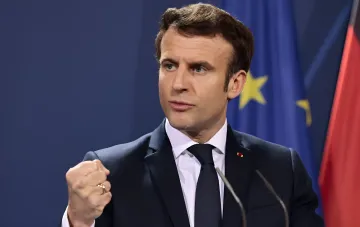
Students, members of the CGT trade union, and "yellow vest" movement activists plan to join the upcoming protests. French Interior Minister Laurent Nunez stated that highly mobile groups of security forces, as well as elite units, will operate in cities to protect strategic sites and town halls. According to him, social media has seen numerous calls from radical far-left groups inciting violence, vandalism, and looting.
Context of Tension and Governmental Reaction
The tense socio-economic situation in the country has persisted for several weeks, accompanied by strict state response measures. Previously, French authorities introduced a nighttime curfew in Paris, Marseille, Nice, and other major cities due to large-scale unrest. Furthermore, the government intends to legally restrict unauthorized rallies, offering trade union associations alternative formats for marches and expressing civic positions.
Scale of the Public Security Crisis
The situation in France demonstrates a deep crisis of interaction between authorities and protesters amid a severe economic downturn. The decision to deploy 70,000 security personnel and close world-class museums highlights the severity of the security threat. Future developments will show whether law enforcement can maintain control and if the government can reach a compromise with labor unions and social movements.