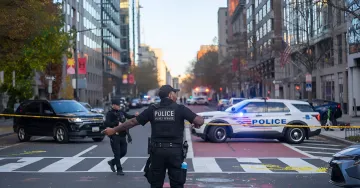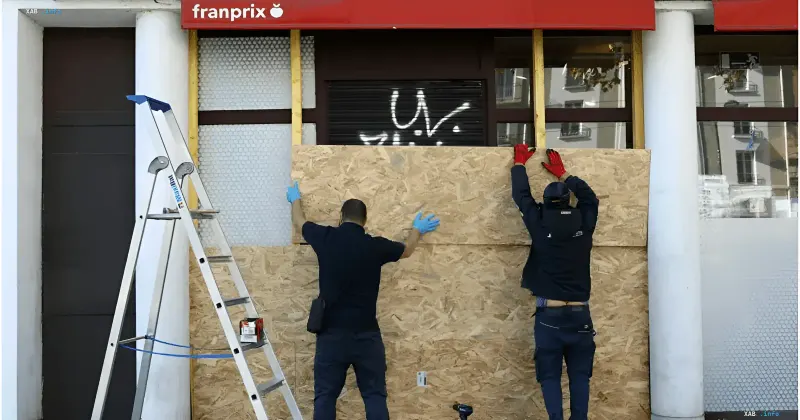
On October 31, 2026, France entered its third consecutive weekend where street protests coincided with Halloween. According to AFP, national authorities deployed around 70,000 security personnel—a force comparable to the numbers mobilized a week earlier. In Paris, more than 40 metro stations were closed, and tram services experienced severe disruptions. Across the capital and other cities, retail chains preemptively reinforced their storefronts with wooden panels and OSB boards, turning shop facades into makeshift fortresses.
The Third Wave: From 'Yellow Vests' to Demands for Civil Liberties
This year, the protest movement has united 'yellow vest' activists, labor unions, and student groups. Initially, the marches were directed against the rising cost of living, social injustice, and deteriorating conditions in the education system. However, following aggressive crackdowns by security forces and severe injuries sustained by several protesters, the movement expanded its demands: the protection of civil liberties and the right to peaceful assembly took center stage. An aide to Interior Minister Laurent Nuñez stated that authorities expect public disorder on a scale comparable to the riots from two weeks ago, when footage of clashes, looting, and arson circled the globe.
Supreme Court Bans the Bastille-to-Nation Route
On the same day, October 31, France's Supreme Court overturned a ruling by a Paris court that had previously authorized organizers to hold a protest march from the Place de la Bastille to the Place de la Nation in the heart of the capital. The Interior Minister warned of a high risk of public disturbance and announced that marches would be permitted, but not in the central districts of cities. Consequently, the legal framework for the demonstrations narrowed significantly mere hours before the start of the weekend.
Business and Police: 'Hoping Saturday Passes Quickly'
Police representatives reported that a tense atmosphere prevails within security structures, with no reason to believe the weekend will pass smoothly. Alain Di Crescenzo, president of France's Chamber of Commerce, stated that business owners are deeply concerned and simply hoping Saturday passes quickly. According to him, the coincidence of the protests with Halloween further complicates the situation due to the massive presence of people wearing masks, which makes identifying participants difficult and increases the risk of incidents.
Context: What Lies Behind the Third Wave
Three consecutive weekends of protests, which began about three weeks ago, have become one of the largest episodes of civil unrest in France in recent years. The overlap with Halloween—a day when city streets are filled with people in costumes and masks—creates a uniquely challenging environment for law enforcement agencies. On one hand, authorities are obligated to guarantee the right to peaceful protest; on the other hand, they must prevent a repetition of the scenes that sparked international outrage two weeks ago. The Supreme Court's decision to cancel the central route essentially served as the final legal barrier before protesters take to the streets on the night of October 31 into November 1.