On Thursday, November 5, one of the world's main landmarks — the Eiffel Tower in Paris — was temporarily closed to visitors. This was reported by the monument's management on its official website. On the main page, toureiffel.paris, a special information banner appeared for tourists and locals who might have been planning a visit: “Information for visitors — National Strike 05/11”.
Official notification and handling of ticket holders
In the notification text, the administration explicitly stated that the tower was closed on that day, November 5, due to a “national strike movement.” The message stated verbatim: “The Eiffel Tower is closed today.” Visitors who had already purchased e-tickets were advised to check their emails, where explanations and, presumably, information regarding refunds are expected to be sent. In conclusion, the landmark’s administration apologized for the inconvenience caused.
Context: a month of protests in France
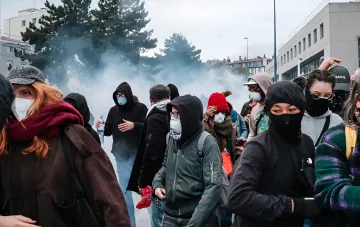
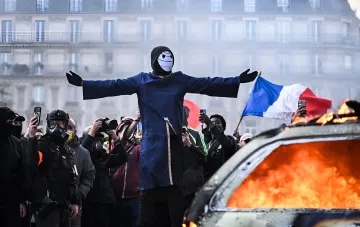
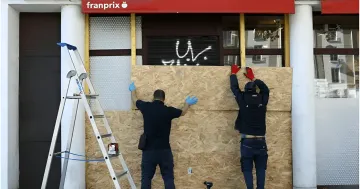
The closure of the tower occurred against the backdrop of a tense social climate in the country. In October, France was swept by large-scale nationwide demonstrations, including protests against the rising cost of living. In Paris and a number of other cities, authorities imposed a curfew. On October 24 alone, tens of thousands of people took to the streets of French cities; clashes occurred in many locations, and police used tear gas and water cannons. On October 31, mass protests against high costs and deteriorating public services took place again in Paris, Marseille, and other cities, with clashes with law enforcement flaring up again after peaceful marches.
What this means for travelers
For those planning a trip to Paris, the situation means they must check the official Eiffel Tower website before visiting: during periods of national strikes, the monument's operating hours can change throughout the day. E-ticket holders should keep an eye on their email, where the administration sends notifications about changes and compensations. The November 5 closure is temporary and is specifically related to the strike movement, not to technical or weather-related issues.
Broader background: from protests to legislative initiatives
Street actions in France in October became part of a wider cycle of public protests, following which authorities are discussing measures to restrict illegal protests amid riots and looting. Parallel to this, other public actions were held in the country, including rallies in support of Ukraine involving both Ukrainian and French communities. Thus, the temporary closure of the Eiffel Tower on November 5 became another visible consequence of the prolonged nationwide strike movement that has gripped key facilities and service sectors of the French capital.