Amid escalating threats from Russia, France — the European Union's only nuclear-armed state — has decided to resume the production of nuclear warheads for the first time in several decades. At the same time, Paris has classified data regarding the size of its nuclear stockpile, which experts assess as increasing strategic uncertainty for Moscow. This is reported by The Wall Street Journal, as cited by RBC-Ukraine. Currently, France possesses approximately 290 nuclear warheads, but from now on, exact figures of its arsenal will no longer be published.
'Forward Deterrence': Ten Partners Under the French Umbrella
French President Emmanuel Macron previously termed the new concept 'forward deterrence'. According to WSJ, Paris has already agreed on nuclear deterrence cooperation with ten European partners. Thus, nuclear weapons in Europe will be deployed not only under the U.S. program across five countries (including Turkey) but also under the French framework. French presidential strategic advisor Xavier Chatel stated that the project grants France new capabilities to position nuclear forces in the event of escalation and, according to experts, poses a more serious threat to Russia than existing NATO nuclear deterrence programs.
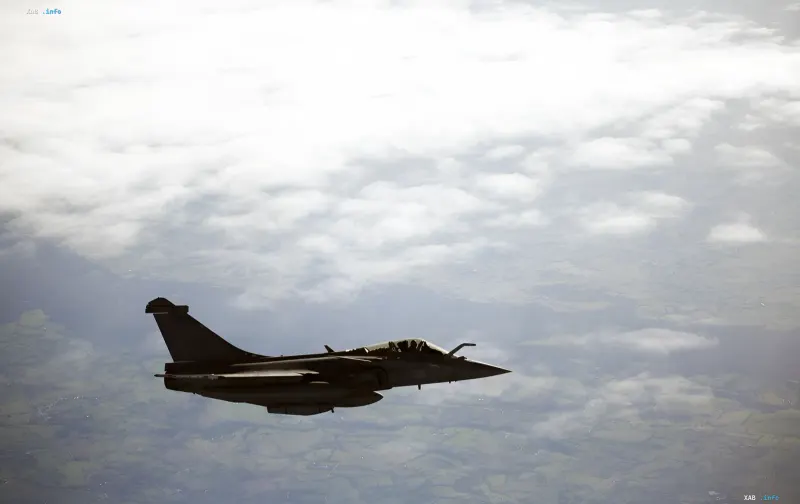
ASMP-A and Rafale: A New Level of Strike Capability
A key element of France's nuclear deterrence remains the ASMP-A cruise missiles mounted on Rafale fighter jets. Military officials and analysts emphasize that these missiles are designed to strike Russia's largest cities and possess a high probability of reaching their targets, placing them in a different deterrence class compared to previous configurations. The photograph accompanying the publication captures a Rafale fighter jet in flight against the background of clouds and a ground landscape.
Expert Assessments: Moscow's Attention Guaranteed
Russia and nuclear expert Nicole Grajewski from Sciences Po in Paris notes: 'It is unclear whether this will convince Russians that the French would risk subjecting Paris to a retaliatory strike, for instance, through Warsaw. But Russians are definitely paying attention.' Meanwhile, Norwegian Foreign Minister Espen Barth Eide stated that France possesses 'strategic potential' that 'supplements the already existing nuclear guarantees' of the U.S. for European allies.
Berlin and Warsaw Drawn Into Europe's Nuclear Architecture
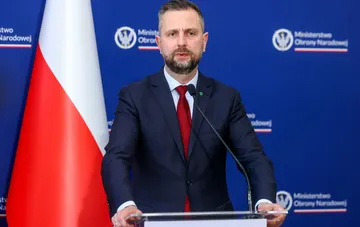
The expansion of the French nuclear umbrella occurs against the backdrop of strengthening pan-European coordination. Germany has officially agreed to participate in exercises involving French strategic forces, marking an unprecedented step in bilateral military cooperation. Additionally, Poland and France held the first meeting of a specially established nuclear cooperation group in Paris. Both countries stated their intention to strengthen defense partnership and make Europe safer amid ongoing threats from Russia.