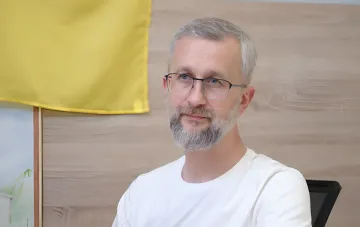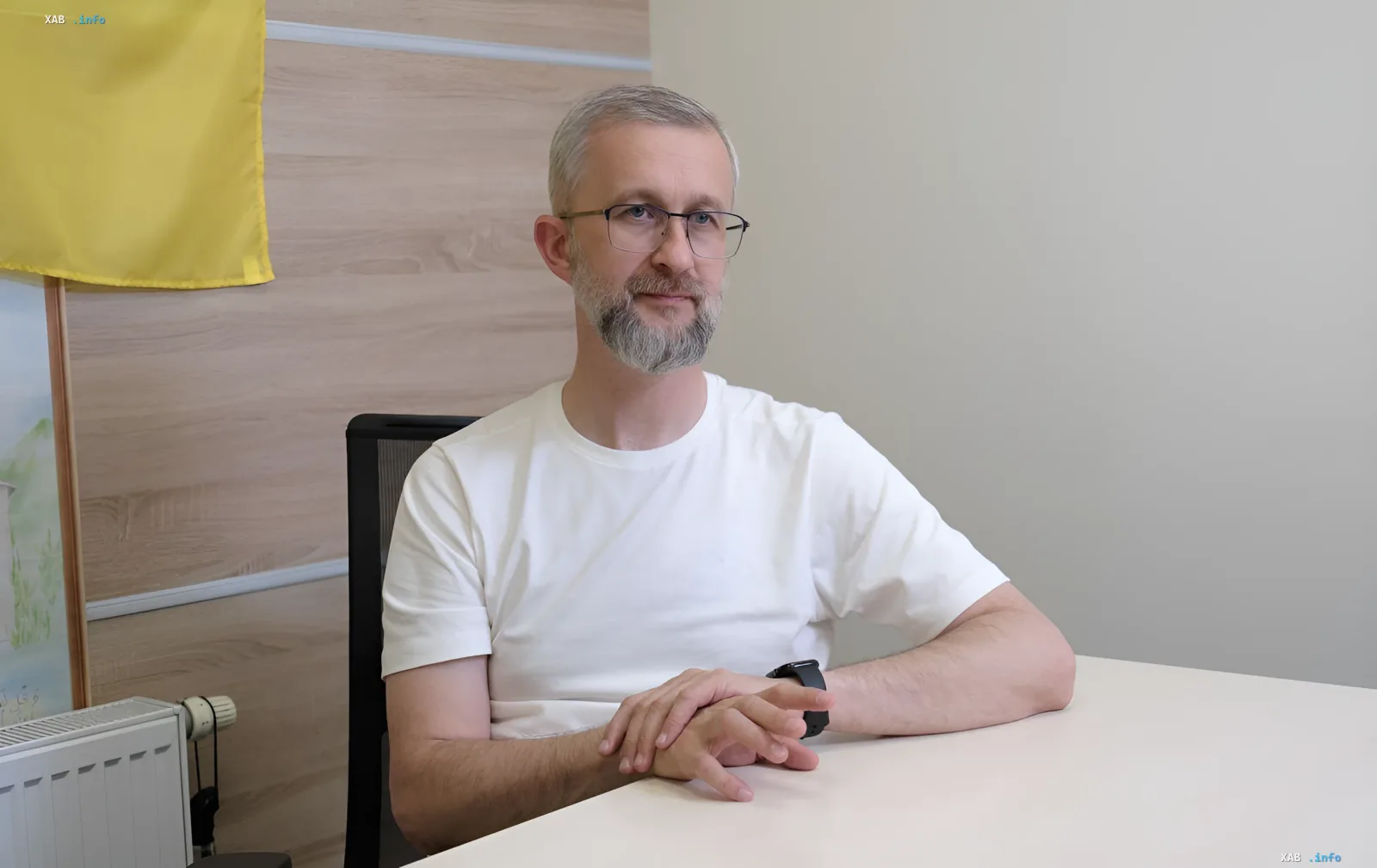
The free trade agreement between Ukraine and Turkey, signed back in 2022, has entered its active phase following its recent ratification by the Verkhovna Rada and its signing by the President of Ukraine. Ukraine's Ambassador to Turkey, Nariman Jelyal, assessed the deal's consequences for domestic business in an interview with RBC-Ukraine, acknowledging that alongside opening new markets it creates real risks for a number of industries. In his words, the ratification became a demonstration of a new level of trust and cooperation between the two states, while the Turkish side throughout the negotiation process emphasized the need for the agreement to enter into force as soon as possible.
New markets and business demands
The Embassy of Ukraine in Ankara is already noting growing interest from Ukrainian companies eager to understand exactly what the free trade zone will offer them. Jelyal reported that the diplomatic mission is receiving inquiries from entrepreneurs who want to work in the Turkish market and to grasp the mechanisms of the agreement. In response to this demand, the embassy, together with the relevant ministries and business associations, plans to hold a series of informational and educational events for both Ukrainian and Turkish business. According to the ambassador's assessment, the positive backdrop formed after ratification creates conditions for deepening bilateral economic ties.
Light industry — the most vulnerable sector
The main challenge highlighted by Jelyal concerns light industry. In his words, this sector is highly developed in Turkey and, unlike its Ukrainian counterpart, has not suffered from the consequences of the war. This means that domestic producers of clothing, footwear, textiles and related goods will find themselves in a position of fierce competition with Turkish counterparts, who will be able to enter the Ukrainian market without hindrance. The ambassador stated outright that the state must work out mechanisms to support and protect vulnerable domestic companies so that they do not end up in a clearly losing position. Without such measures, by his logic, some Ukrainian enterprises may lose market share in favor of Turkish products.
Trade turnover and imbalance
Despite the ongoing war, bilateral trade between the two countries is showing growth. According to the ambassador, the current volume of trade is around 8.8 billion dollars. At the same time, Jelyal does not hide that there is a certain imbalance in Turkey's favor: Ukraine imports more from Ankara than it exports. Nevertheless, the overall figure continues to grow, which, in the mission's assessment, indicates sustained demand and the complementarity of the two economies. Free trade is expected to help further increase these figures and gradually level the trade balance.
Bureaucracy and practical barriers
At the same time, the ambassador emphasized that the agreement in itself is no panacea. The countries need to become more open to each other, support investors and create conditions for launching joint production. Jelyal acknowledged that in practice both Ukrainian business in Turkey and Turkish business in Ukraine face a number of problems: from the difficulties of the economic situation to excessive bureaucracy and inconvenient conditions for doing business. In his view, it is precisely the removal of these barriers that will be the key factor determining how fully both sides will be able to realize the potential of the free trade zone.
Context and next steps
The free trade agreement was signed by the two countries in 2022, but its practical implementation became possible only after the completion of the full ratification cycle in Ukraine. The Turkish side, according to Jelyal, consistently insisted on the document entering into force as soon as possible, viewing it as an element of strategic partnership. Now that the legal framework has been defined, the focus shifts to practical work: informing business, reducing administrative costs and shaping an institutional environment in which Ukrainian and Turkish companies can interact effectively on equal terms.