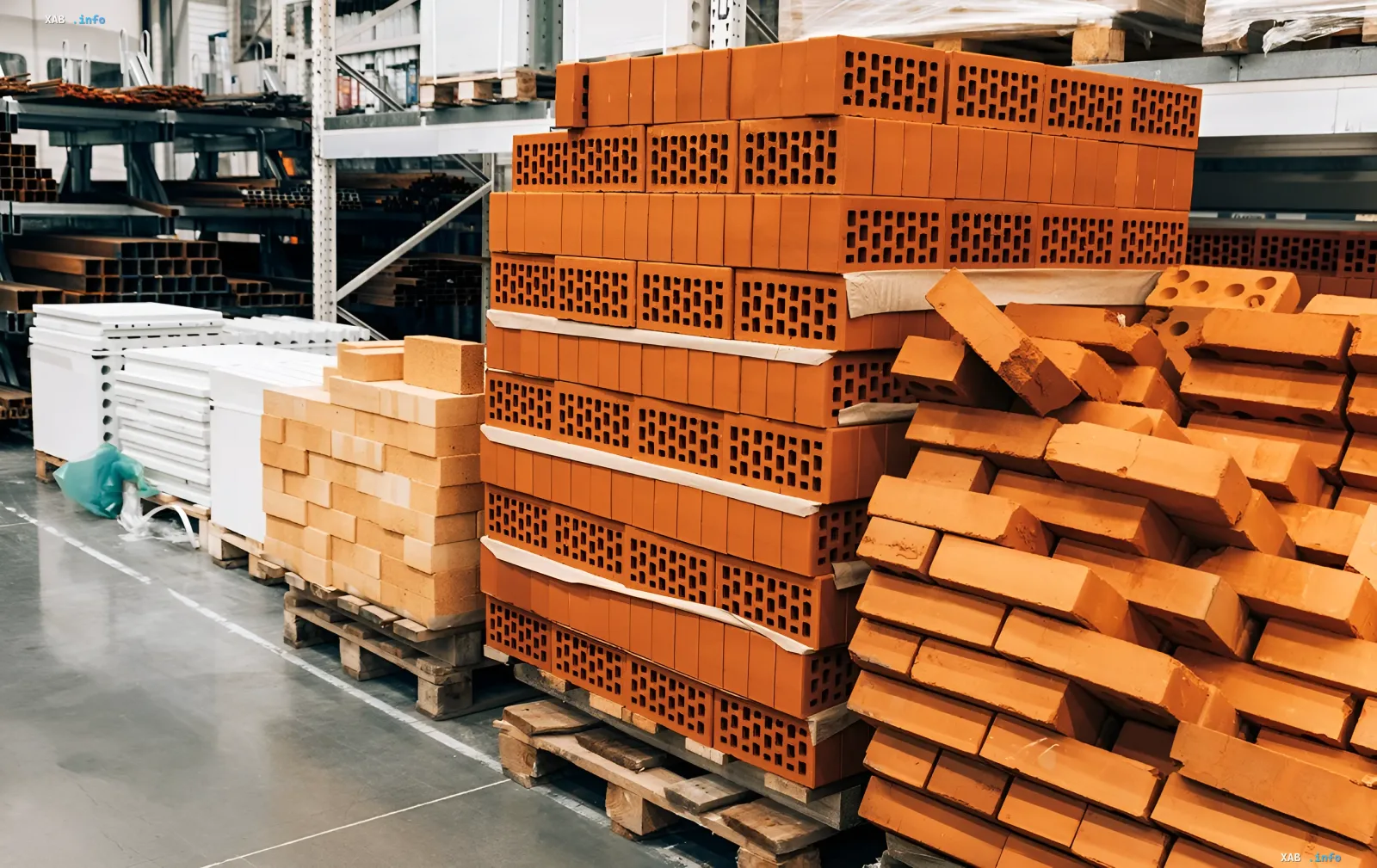
The second quarter of 2026 has become a turning point for the Ukrainian new-build market: according to the State Statistics Service, apartments on the primary market rose by 20.5% year on year. This is the largest price increase in the past five years. At the same time, as developers point out, the rise is not the result of developers' "whims" but is driven by objective pressure on production costs: building materials have become 30–50% more expensive since the beginning of the year, the cost of construction work has grown by 23.1%, and producer prices for industrial goods, including building materials, have jumped by 39.1% in annual terms.
What exactly has become more expensive and why
In a response to RBC-Ukraine, PBC "Kuznechnaya" notes that the price increase has affected virtually all categories of construction products. The main drivers are cited as rising fuel prices, raw materials (cement, sand, crushed stone), labour costs, and higher freight tariffs at Ukrzaliznytsia. Artyom Gordeychuk, head of the client service at developer Standard One, clarifies that the most noticeable jump has been recorded for concrete, mortars, bricks, rebar, and cables. In addition, due to rising delivery costs, the market has virtually lost materials that themselves have not become more expensive but have become economically unprofitable to transport.
Safety factor and strikes on production facilities
Safety remains a separate but no less significant factor. The communications department of "ArcelorMittal Kryvyi Rih" told RBC-Ukraine that the price of rebar for the end consumer has not experienced significant fluctuations in recent months, despite a substantial rise in internal production costs. However, as a result of a recent Russian missile strike on the enterprise, the producer was forced to partially halt production processes. The combination of this factor with high electricity prices for industry creates a risk of further price increases for Ukrainian rebar and, as a consequence, for the entire reinforced-concrete frame of new buildings.
Forecast for autumn and the end of 2026
According to Standard One estimates, a further rise in the cost of materials and engineering equipment is expected by the end of the current year. Depending on the category, the price increase may average around 10–20% from the current level. Thus, if in the second quarter the year-on-year price growth for apartments was 20.5%, then by the fourth quarter of 2026 this figure, following the logic of the cost chain, may accelerate even further, unless developers offset the difference from their own margin.
Contradictory data
The provided sources record a discrepancy in assessing the dynamics of rebar prices. On the one hand, "ArcelorMittal Kryvyi Rih" states that the retail price of rebar "has not experienced significant fluctuations" for the end consumer. On the other hand, Artyom Gordeychuk of Standard One explicitly names rebar among the items for which "prices jumped more noticeably." The difference is likely explained by the fact that at the time of the metallurgical plant's response, the strike on production had not yet been reflected in retail prices, whereas the developer is recording an already formed shortage and a rise in wholesale quotes. In addition, the growth figures (20.5% for apartments, 23.1% for construction and installation work, 39.1% for producer prices, 30–50% for material production costs) refer to different calculation bases and time slices, which makes their direct comparison incorrect, but not contradictory.
Context and outlook
The record price growth on the primary market in 2026 is formed by several interrelated factors: the devaluation of the hryvnia increases the cost of imported equipment and raw materials, a labour shortage raises the cost of labour, and military operations directly damage production capacities and supply chains. Taken together, these factors form a "wall" of production costs that developers are forced to pass on to the final price per square metre. For buyers of new builds, this means that the window of relatively "cheap" housing on the primary market is probably closing, and for the industry — the need to rethink business models and seek new sources of financing.