In August 2026, when care for cleanliness and hygiene remains relevant, many face a paradoxical problem: instead of a fresh scent, clothes after washing emit an unpleasant, musty odor. Experts and users note that often the cause lies not in the quality of detergents, but in the habits of using appliances and errors in their maintenance. Let's find out which actions can negate all laundry efforts.
The danger of "forgotten" pockets and foreign objects
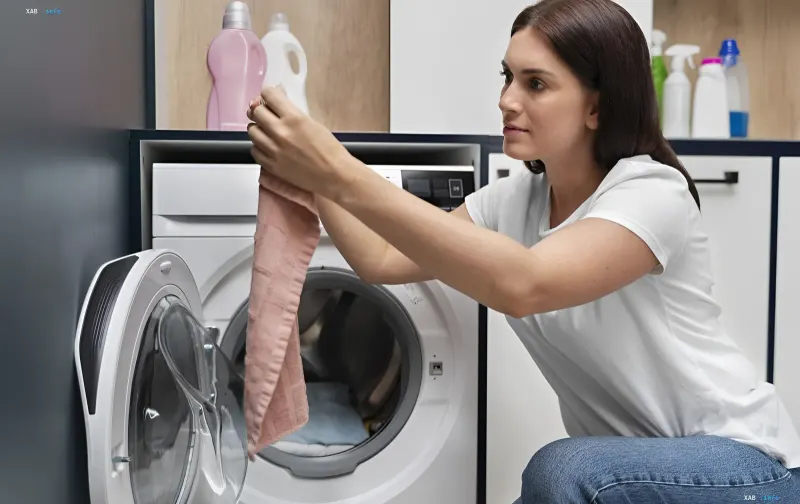
One of the most common, yet often ignored mistakes, is the failure to check pockets before loading laundry. Coins, papers, tissues, and other small items left in clothes can cause serious problems. Paper soaks during washing, turning into a difficult-to-remove pulp that sticks to the fabric, making it stiff and unpleasant to the touch. Moreover, foreign objects can damage not only delicate fabrics but the washing machine itself, clogging the drain or damaging the drum. Experts recommend spending just a few seconds checking pockets — this simple action can save both clothes and the appliance.
The "greenhouse" effect: why you shouldn't leave laundry in the drum
Modern washing machines create ideal conditions for bacteria to multiply if usage rules are not followed. After the cycle ends, a warm and humid environment remains in the drum. If wet clothes sit there for several hours, they will inevitably begin to smell bad. Under such conditions, even re-washing does not always immediately solve the problem, as bacteria have already penetrated the fabric fibers. The best strategy is to immediately remove laundry from the machine and hang it to dry, which prevents mold and mustiness.
Overloading the drum and excess detergent
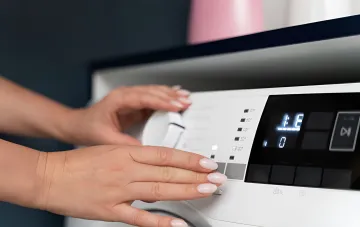
Another common mistake is the desire to wash as many items as possible at once. The drum should not be filled "to the brim." When there is too much clothing, water and detergent penetrate the fabric less effectively, and dirt and detergent residues are not fully rinsed out. For quality washing, it is necessary to leave some free space in the drum, following the manufacturer's recommendations. Additionally, the popular misconception that "more powder equals cleaner clothes" also harms the result. Excess detergent is not fully rinsed out, remaining in the fabric fibers and inside the machine, which over time leads to a persistent chemical or musty smell.
Maintenance: cleaning the machine is more important than fabric softener
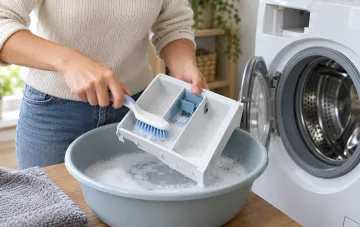
Paradoxically, a machine that regularly washes clothes also needs cleaning. Residue from detergents, lint, dirt, and moisture can accumulate in the rubber gasket, detergent drawer, filter, and other parts of the device. Subsequently, this becomes a source of unpleasant odors that are then transferred to clothes. Periodic cleaning of the drawer, wiping the gasket, and checking the filter according to the instructions are mandatory procedures. It is also important not to leave the washing machine constantly closed after washing: ventilation helps moisture evaporate, reducing conditions for musty odors.
Contradictory data
There are differing opinions in the expert community regarding the root cause of the odor. Some specialists, based on source data, claim that the main cause is biological contamination (mold and bacteria) inside the appliance itself, which cannot be eliminated without chemical cleaning of the drum. Other experts, citing consumer habit studies, point out that the problem often lies in choosing the wrong wash cycle (too low temperature) and using too much fabric softener, which masks the smell but does not eliminate the cause. Both viewpoints agree on one thing: simply adding fragrances without addressing hygiene issues with the appliance is ineffective.
Conclusion: a comprehensive approach to cleanliness
If clothes have a musty smell after washing, do not rush to add more fabric softener. First, check the washing machine itself and review your habits. Proper loading, timely drying, and regular cleaning of the appliance often yield better results than a large amount of fragrance. Caring for fresh laundry begins with elementary appliance usage rules, which remain unchanged in 2026.