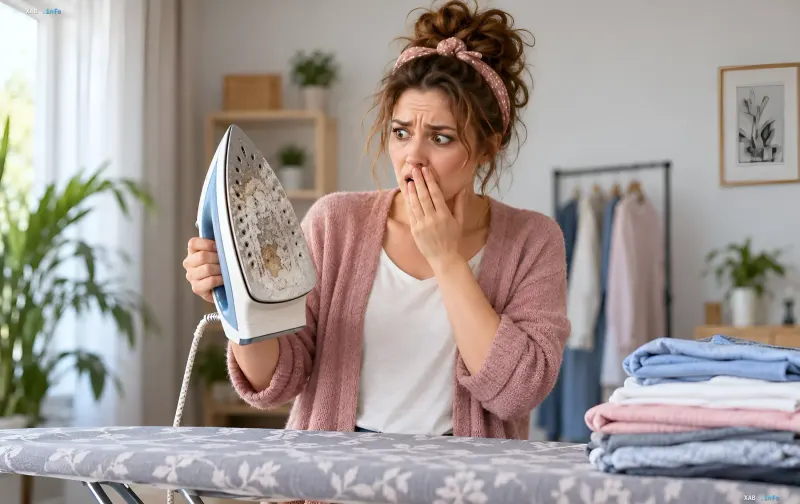
The appearance of white particles or brown marks on clothing during ironing signals that the iron needs urgent cleaning. One of the main reasons for such issues is limescale, which forms inside the steam system due to minerals present in the water. The higher the water hardness, the faster deposits accumulate, clogging channels and impairing steam delivery. Proper maintenance of the appliance requires taking its design features into account, as universal cleaning methods do not exist for all models.
Design Features and Self-Cleaning Functions
The method for removing limescale directly depends on the construction of a specific iron model. Many modern appliances are equipped with a built-in self-cleaning function, known as Self Clean or Calc Clean. This technology effectively removes scale deposits without adding aggressive household acids or chemical agents. During this procedure, hot water and steam may escape through the steam vents, so it is essential to strictly follow safety rules and keep hands away from the appliance soleplate.
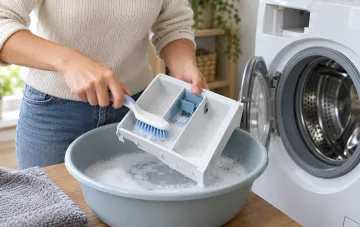
Some steam iron models feature separate containers or collectors to gather scale particles. Devices with the Quick Calc Release system require regular removal, emptying, and washing of such a collector. If the component is located at the base of the appliance, its cleaning should be performed exclusively after the iron has been completely unplugged and cooled down. Furthermore, cleaning the collector and running the self-cleaning function are entirely separate procedures carried out according to the manufacturer's manual.
Choosing the Right Water to Prevent Limescale
The choice of appropriate water for filling the iron reservoir depends on the recommendations of the specific brand and model. The assertion that distilled water is a universal solution for all appliances is mistaken. For instance, the Japanese manufacturer Panasonic notes that regular tap water works well for its branded appliances, though in case of high hardness, using distilled or demineralized liquid is still recommended.
Official recommendations from Rowenta for professional steam irons indicate that a mixture of 50% tap water and 50% distilled water can be used under very hard water conditions. At the same time, it is strictly forbidden to independently add vinegar, citric acid, or scented additives into the reservoir without explicit permission from the manufacturer. Such experiments can severely damage the internal components of the iron and ruin textiles during ironing.
Soleplate Care and Removal of External Impurities
In addition to internal scale, burnt fabric fibers, starch particles, and detergent residues regularly accumulate on the iron soleplate. To keep the surface in perfect condition, Russell Hobbs recommends wiping a cold soleplate with a soft, damp cotton cloth. Before starting this procedure, you must disconnect the appliance from the electrical grid and wait until it cools down completely.
It is strictly discouraged to scrape off burnt residues using a knife, metal sponges, or other sharp objects, as this will cause scratches. If stubborn stains remain on the soleplate, use only those cleaning methods permitted for the specific coating type. Such a comprehensive approach to appliance maintenance significantly extends its service life and preserves the impeccable appearance of clothing.
The Importance of Regular Iron Maintenance
Timely care for the steam system and soleplate prevents premature equipment failure and protects items from accidental stains. Regular maintenance eliminates the need for expensive repair services or purchasing a new appliance. Adhering to manufacturer recommendations regarding water selection and cleaning specific components guarantees stable iron operation for many years.