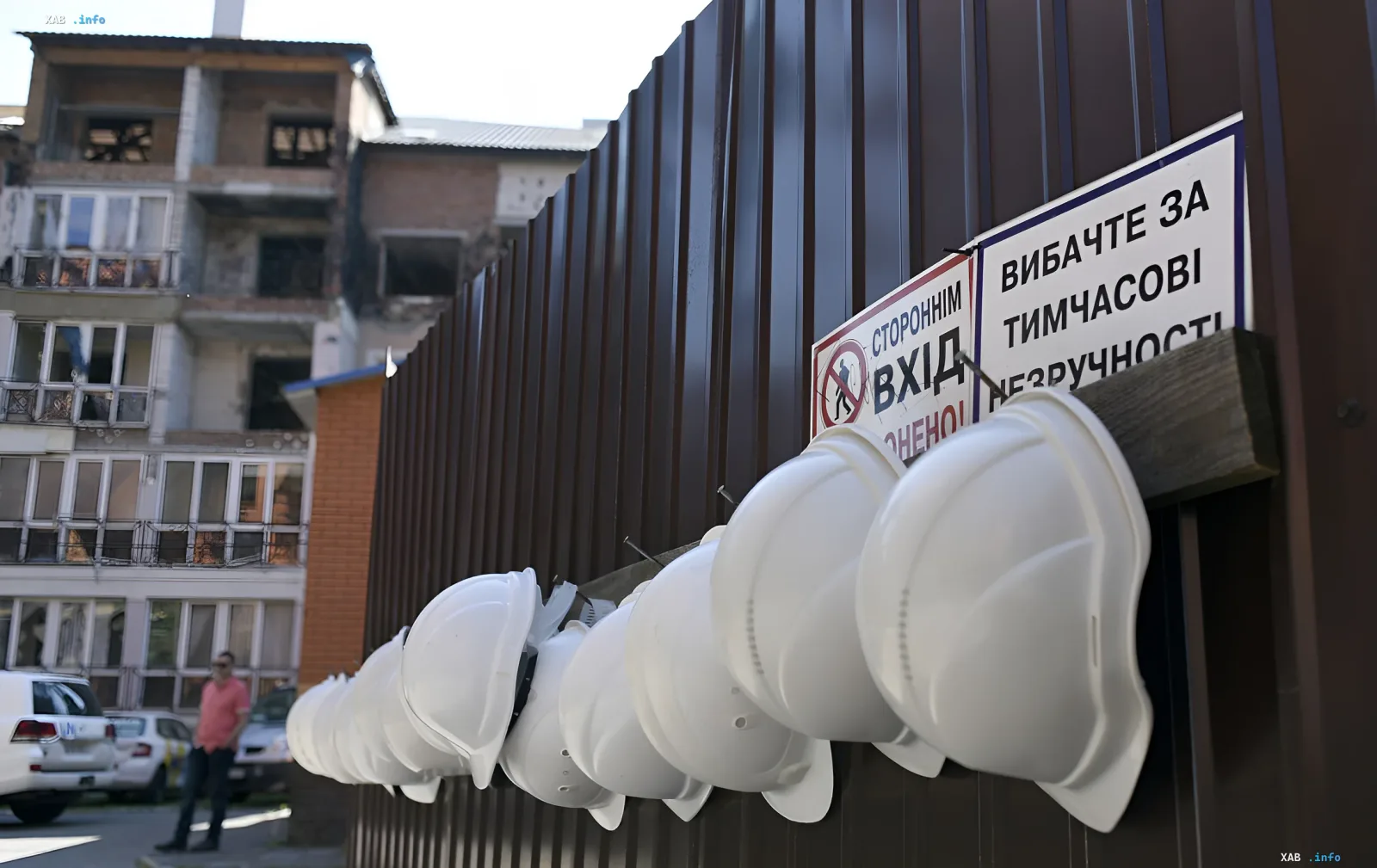
Ukraine urgently needs massive investments to rebuild its destroyed infrastructure and housing stock. However, the capabilities of the state budget and direct assistance from international partners are clearly insufficient to cover the scale of upcoming work. A significant portion of the necessary funds will have to be attracted from private capital, banking structures, and international financial institutions ready to enter the Ukrainian market provided transparent and reliable mechanisms are established.
Deficit of Quality Projects and Investor Stance
Global capital does not flow into a country simply because there is an acute need for it. Investors and banks look for assets with clear economics, minimized risks, and clear accountability of all process participants. Research and international experience show that the main problem is not the lack of money in global markets, but a catastrophic shortage of professionally prepared projects capable of passing rigorous audits and delivering predictable results.
Changing the Housing Construction Model
Ukraine's housing construction sector is dominated by an outdated model of financing through funds from future apartment owners. In fact, an ordinary buyer not only purchases future housing but also assumes developer risks. International practice, including World Bank recommendations, requires a transition to full-fledged project financing, secure escrow accounts, bank lending, completion guarantees, and independent technical monitoring.
Contradictory Data
There are certain discrepancies within the expert community regarding the speed of implementing new financial instruments. Some specialists insist on immediate strict market regulation and a transition to European banking supervision standards, while construction business representatives warn of risks of a temporary slowdown in housing construction due to complicated bureaucratic and financial procedures amid the ongoing crisis.
Engineering Consulting and Risk Allocation
A key success factor is the high-quality preparation of a project before procurement and construction works begin, as noted by leading infrastructure experts. Risk allocation must be pragmatic: each risk must be managed by the project participant who is genuinely capable of influencing it. Transparent management, independent consulting, and clear contracts will reduce borrowing costs and attract institutional investors.