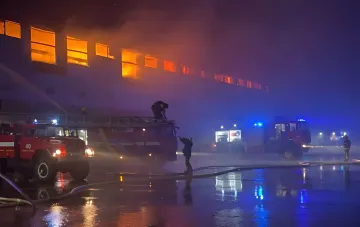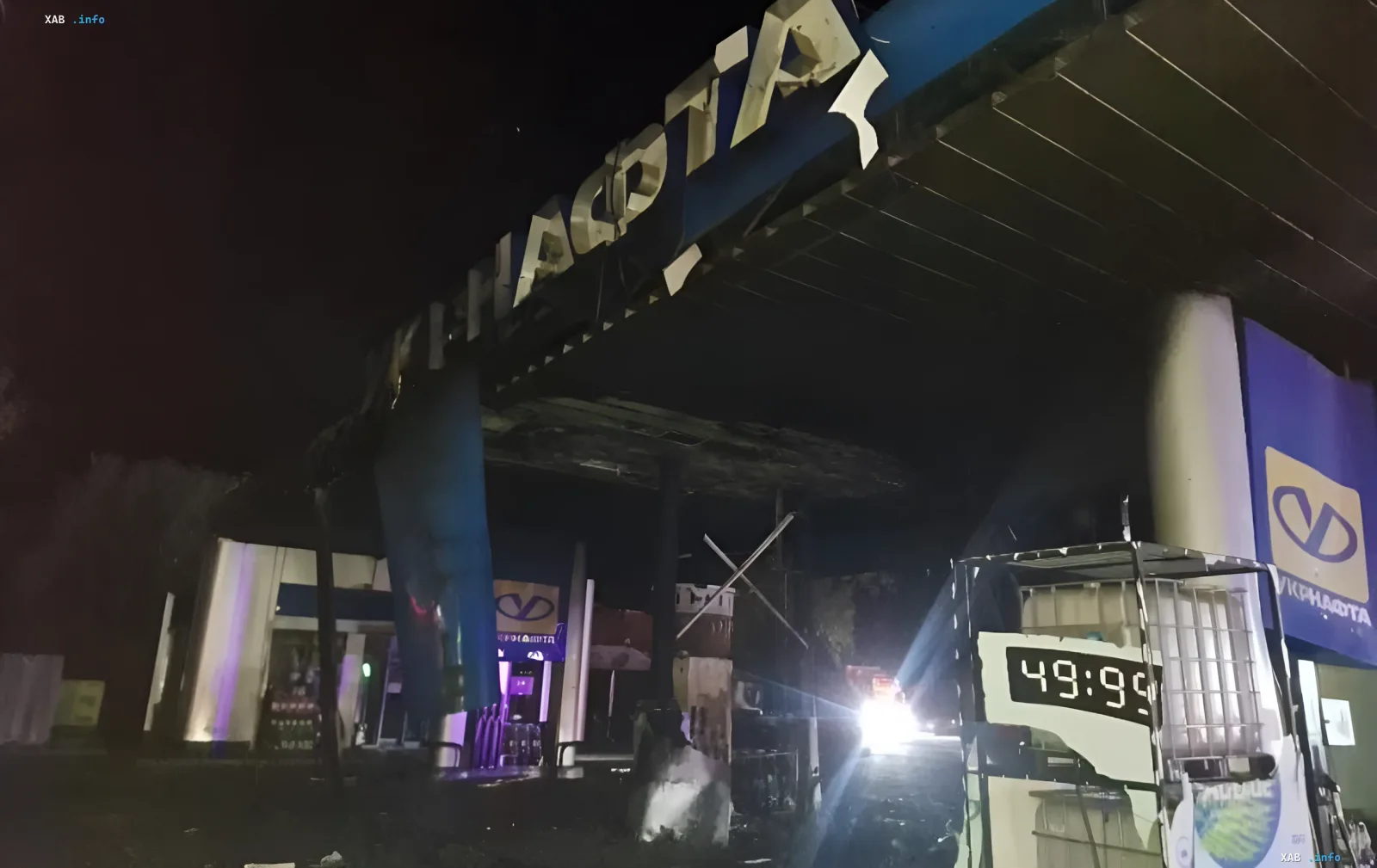
Russian occupation forces carried out another targeted attack on civilian and critical infrastructure objects in Ukraine, using a strike drone against an Ukrnafta gas station complex in the Khmelnytskyi region. The incident resulted in a large-scale fire on the facility's territory and severe damage to the refueling station's technological equipment, once again highlighting the vulnerability of the fuel supply network amid ongoing aggression.
Attack consequences and victims' condition
As a result of the hostile airstrike, at least one employee of the gas station complex performing official duties was injured. According to the company's official press service, the worker sustained a minor shrapnel wound and received prompt medical assistance at the scene. Ukrnafta Board Chairman Bohdan Kukura stated that specialized services immediately commenced operations at the site to record the consequences of the destruction and assess the scope of necessary restoration work.
Systemic nature of attacks on fuel infrastructure
It is worth noting that the attack in the Khmelnytskyi region is not an isolated incident but fits into a broader trend of targeted destruction of logistics and energy nodes. Similar strikes were recorded earlier: on September 10, enemy drones attacked Ukrnafta gas stations in Kyiv, injuring three people. Additionally, on October 12, reports emerged of a strike on an oil depot belonging to the Austrian company Amic Energy. Management emphasizes that such strikes have no military significance and are aimed solely at intimidating civilians.
Contradictory data
While official reports from Ukrnafta focus on the local incident in Khmelnytskyi region and operational cleanup, independent expert sources and operational summaries note a broader scale of attacks. In particular, analytical materials indicate a series of simultaneous or sequential strikes on several company facilities across different regions, questioning the initial localization of threats and requiring additional verification by independent monitoring groups.