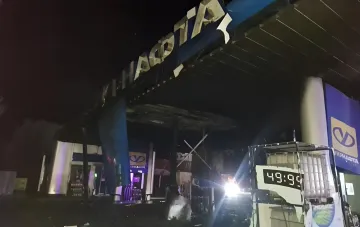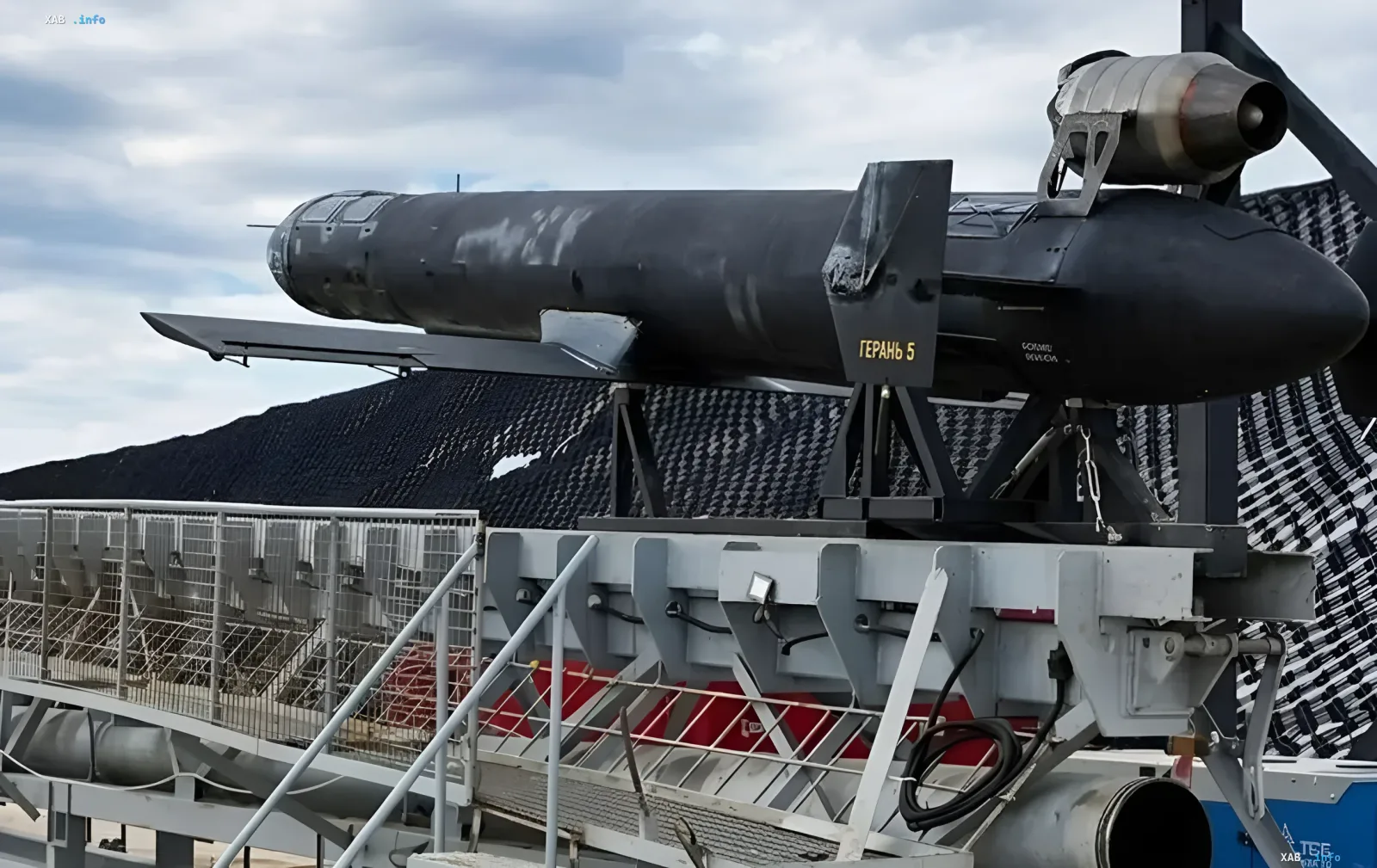
In October 2026, the city of Lutsk underwent a large-scale night attack utilizing a jet-powered Shahed-type unmanned aerial vehicle. The strike resulted in direct hits on civilian infrastructure facilities, causing severe destruction and casualties among the civilian population. State Emergency Service crews, medics, and law enforcement officers promptly arrived at the scene to extinguish fires and rescue trapped individuals.
Chronology of Events and Scale of Destruction
According to Roman Romaniuk, Head of the Volyn Regional Military Administration, the strike hit the territory of the EuroGurt European goods wholesale base. As a result of the powerful explosion and subsequent fire, at least six people were injured, with two in critical condition. Rescue services do not rule out that people might still be trapped under the rubble of destroyed pavilions, and search operations continue uninterrupted.
Contradictory Data
During the first hours after the incident, unverified reports actively circulated in social media and local channels claiming that the Russian attack targeted a popular ATB supermarket. However, company representatives promptly refuted these rumors, clarifying that the actual target hit was the «House of Books» building and adjacent warehouse facilities of the wholesale base. Furthermore, alternative sources reported potential damage to a children's entertainment complex, highlighting the chaotic and terrorist nature of strikes on dense urban areas.
Expert Analysis and Objectives of Attacks on Western Ukraine
Oleksandr Musienko, a military-political expert and serviceman of the Armed Forces of Ukraine, commented on the recent surge in night raids targeting western regions of Ukraine. According to him, the Russian command is purposefully expanding the geography of strikes, attempting to solve two strategic tasks: cutting off critical power transmission from operating nuclear power plants and completely destabilizing supply logistics. The night strikes affected not only Volyn but also the Ternopil, Khmelnytskyi, and Rivne regions, where hits on fuel and energy sector facilities were recorded.