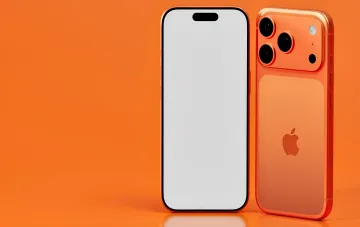


Five years after the release of the iPhone 13, which many considered the pinnacle of design at the time, the Apple ecosystem has undergone fundamental changes. By August 2026, the smartphone has ceased to be just a device for calls and messengers, transforming into a full-fledged multimedia and intelligent hub. The journey from the iPhone 13 to the current iPhone 17 and iPhone Air models has been marked not only by a change in ports but also by a complete rethinking of the philosophy of human-device interaction.
Physical Transformation: The Death of Lightning and the Birth of New Buttons
The most noticeable external change was the abandonment of the legendary Lightning port. Under pressure from European Union legislation, starting with the iPhone 15 series in 2023, Apple switched to the universal USB-C standard. This decision, which had been discussed for years (as noted by sources like Hypebeast back in 2022), was finally realized, unifying users' charging devices.
Equally radical changes affected ergonomics. In 2023, the Action Button appeared in Pro models, replacing the silent mode switch. By 2026, this customizable button became standard across the entire iPhone 16 and 17 lineup. Additionally, a haptic Camera Control button appeared on the side edge, allowing control over zoom and exposure, a feature previously available only in professional cameras.
Screen Evolution: From Notch to Always-on Display
The design of the front panel has evolved from the reduced "notch" in the iPhone 13 to the introduction of Dynamic Island in 2024. This interactive element, combining sensors and the camera, became the center for managing background processes. By 2026, ProMotion technology (adaptive refresh rate up to 120 Hz) ceased to be an exclusive of Pro models and appeared in the base versions of the iPhone 17.
An important step was the introduction of the Always-on Display feature across all models, including the new thin iPhone Air lineup. Now, users can see the time and notifications even on a locked device, which has changed smartphone checking habits.
Apple Intelligence and iOS 27: A New Level of AI
October 2024 was a turning point with the launch of the Apple Intelligence system. The voice assistant Siri gained the ability to understand context, access neural networks (including integrations with ChatGPT), and perform complex tasks, such as object recognition through the camera. By autumn 2026, with the release of iOS 27, the final stage of this update is expected, where voice expressiveness settings will become available for iPhone 17 Pro and iPhone Air flagships.
Revolution in Cameras and Future Connectivity
The photographic capabilities of base models have increased manifold: the resolution of the main and ultra-wide cameras in the iPhone 17 reached 48 megapixels, while the front camera received 18 MP. Pro series flagships now offer optical zoom up to 8x and 4K Dolby Vision video recording at 120 frames per second.
In the field of connectivity, there has been a move away from physical SIM cards in several regions in favor of eSIM. Security features have also become standard: satellite connectivity for emergency messages and automatic crash detection, which have saved countless lives since their introduction in 2022.