
A large-scale crisis regarding fuel supplies for state needs is unfolding in Russia. According to the publication "Izvestia," reviewed by RBC-Ukraine, state institutions in many regions are facing an inability to purchase gasoline from suppliers. Companies participating in tenders are massively refusing to take part, leading to the cancellation of critically important procurements.
Failure of Procurements for Hospitals and Emergency Services
The fuel shortage has hit the operations of hospitals, fire departments, and utility services. Statistics show an alarming trend: in May and June of the current year, the number of cancelled, unrealized, or re-announced tenders for medical and emergency services tripled compared to the same period last year.
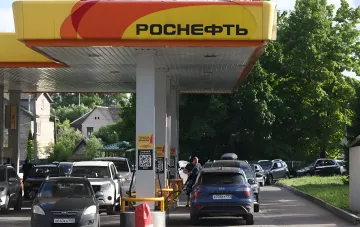
The reason lies in the economic unfeasibility for suppliers. Working on state contracts with fixed prices has become unprofitable. While competitive procedures are being conducted, the market price of fuel has time to rise, so companies prefer to sell gasoline through retail networks or to commercial clients where margins are higher.
Regional Examples of Tender Failures
The situation with fuel shortages has affected many subjects of the Russian Federation. Specific examples of failed procurements demonstrate the scale of the problem:
- Samara Region: The regional medical center "Dynasty" was unable to purchase 8,500 liters of AI-92 gasoline for 580,000 rubles. No bids were received for the tender.
- Leningrad Region: The procurement of 28,000 liters of AI-95 for the "Darina" rehabilitation center failed.
- Tambov: The regional administration's auto base was left without a supplier while trying to purchase gasoline and diesel worth 2 million rubles.
- Vladimir Region: Tenders by the company "Gorelektroset" worth 2.2 million rubles were declared unsuccessful.
- Stavropol Krai and Krasnodar Krai: The fire service of Stavropol and the Tuapse Social Service Center had to re-announce procurements several times to eventually conclude contracts with the only remaining suppliers.
Impact of Ukrainian Attacks and Putin's Admission
A factor exacerbating the situation has been the successful strikes by the Armed Forces of Ukraine (AFU) on Russian oil refineries. This has led to a regression in Russia's refining capacity by 21 years, creating a genuine fuel crisis.
The problem was even acknowledged by Russian President Vladimir Putin. According to him, AFU strikes have led to "certain problems with petroleum products" within the country, although he assured that the situation is allegedly being gradually stabilized.
Fuel Shortage at the Front
The fuel crisis is felt not only in the rear but also at the line of contact. According to the resistance movement "ATESH," Russian troops in southern Ukraine, due to an acute fuel shortage, are forced to limit refueling for mobile fire groups and air defense units.