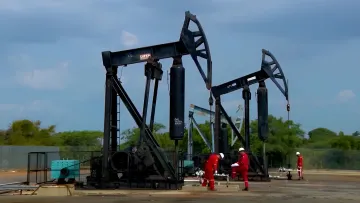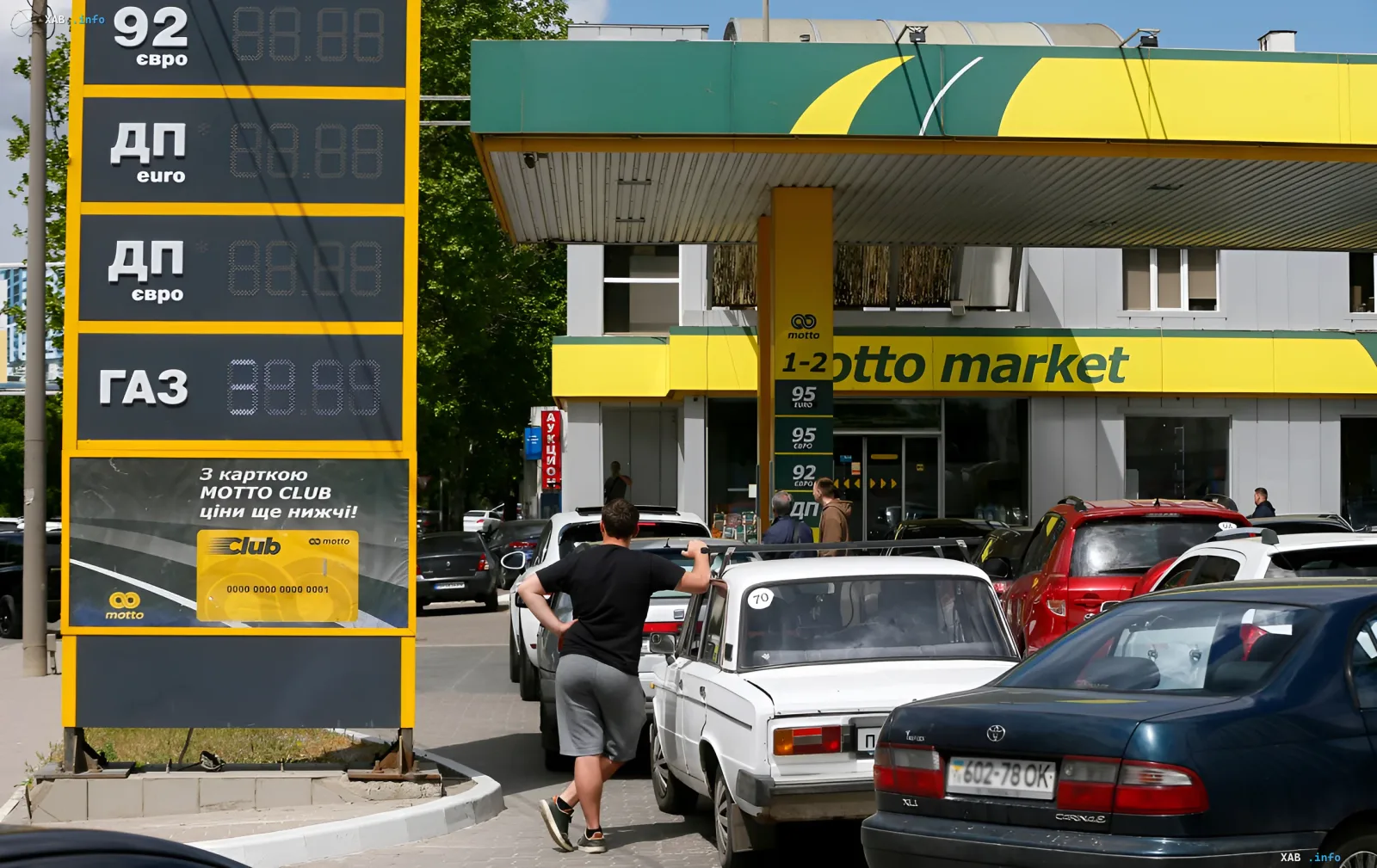
The global fuel crisis is placing additional pressure on Ukraine's fuel market, which, amid the full-scale war, depends almost entirely on imported supplies. This is reported by RBC-Ukraine, citing the Petroleum Association of Ukraine (PAU). According to the association, fuel quotes on global exchanges have reached record levels, and the country's domestic market is directly linked to the situation in Europe and on global markets. At the same time, as industry representatives emphasize, deliveries of gasoline and diesel to Ukraine continue, and gas station networks remain open.
Record quotes on the global market
According to PAU data, the price of diesel fuel has risen to $1,644 per ton, while gasoline has reached $1,377 per ton. The association notes that the wages of Ukrainians and Europeans differ, but the global fuel market is, "unfortunately, the same for everyone," and Ukraine buys diesel and gasoline at the same global price. An additional source of pressure remains Russian strikes on Ukraine's fuel infrastructure and individual gas stations, which pose risks to the stability of the system.
Import dependence and supply diversification
For Ukraine, the situation is particularly sensitive because, due to the war and the destruction of major oil refining capacity by Russian strikes, the country depends heavily on imports. PAU explains that market operators have in recent years diversified their sources and supply routes: fuel is delivered through European ports and overland corridors from producers in Europe, the United States, Turkey, and Middle Eastern countries. According to the association, this allows them to meet the needs of the defense sector, critical infrastructure, the agricultural sector, and civilian consumers.
Gas station security and price containment
Gas station networks, according to PAU, are working to protect their facilities: stations are installing gabions and other engineering structures, setting up shelters, and updating staff protocols for air raids and shelling threats. One of the industry's key tasks remains containing price growth — operators are optimizing costs, logistics, and procurement to soften the impact of global quotes on the final fuel price for consumers. Despite losses from attacks and price fluctuations, the association states that the market continues to operate, and operators, together with the state, are ensuring the stability of the system.
Contradictory data
Statements from the parties and fact-checking materials present the same topic in different ways. On the one hand, PAU emphasizes that Ukraine buys diesel and gasoline at the same global price as other countries, and this is what creates pressure on the domestic market. On the other hand, in a UNIAN publication, the association states that imported fuel in Ukraine is managed to be made 40% cheaper than in the EU. These formulations are not identical: the first refers to the same price at the import stage, while the second refers to a lower retail price in Ukraine compared to Europe, which is usually explained by differences in tax rates and retail markups. Both versions coexist in the public sphere and reflect different stages of the supply chain.
Retail price dynamics in Ukraine
As a reminder, on September 18, the director of the A-95 Consulting Group, Serhiy Kuyun, noted that the Ukrainian fuel market remains under pressure from record global quotes, and further price dynamics will depend on the situation in the global market and the development of events in the Middle East. As of September 21, A-95 gasoline at popular networks costs 87.90–93.90 hryvnias per liter, while premium fuel and diesel reach up to 99.90 hryvnias. Filling a 50-liter tank with the most expensive fuel will cost nearly 5,000 hryvnias. PAU, meanwhile, assured that there is no reason for panic buying, and that the industry's main priorities remain people's safety, uninterrupted fuel supply, and price containment.