According to a recent analytical report by consulting firm Rystad Energy, Venezuela's oil sector is showing signs of a large-scale recovery. Experts predict that hydrocarbon production in the South American republic could grow to 1.6 million barrels per day by 2028, and this figure could rise to 1.8 million barrels daily by 2030. The realization of such ambitious plans depends directly on a massive expansion of investment flows, active engagement of oilfield services companies, and a significant increase in the active drilling rig fleet.
International Investment and Capital Inflow
According to analysts, the country's oil and gas industry is currently experiencing an unprecedented influx of international capital over recent decades. Leading global energy giants are gradually returning to the region, expanding their presence, while new independent operators are actively entering the market, adapting contract terms to modern realities. This process is accompanied by the revision of cooperation strategies and the conclusion of long-term agreements aimed at modernizing outdated infrastructure and stabilizing the industry.
Technological Challenges and Rig Shortages
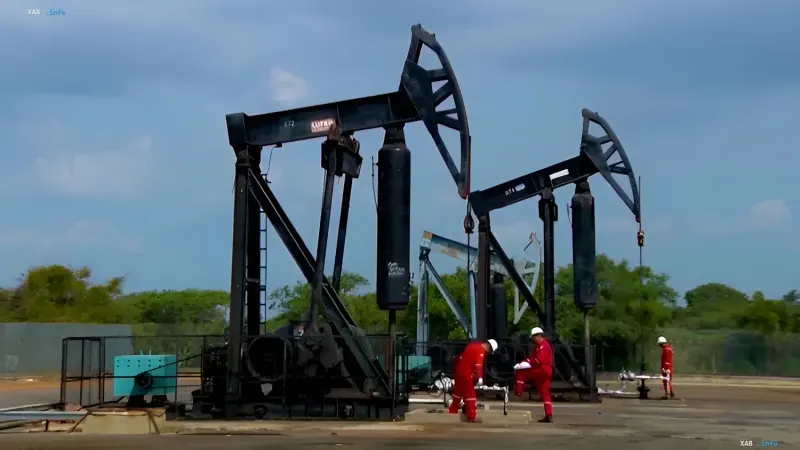
Despite positive macroeconomic trends, the biggest challenge for the Venezuelan oil industry lies in the practical execution of projects on the ground. According to statistical data, as of August last year, only two drilling rigs were operating in the country. This figure is critically far from the targets set by the Ministry of Oil, which plans to deploy 93 rigs by 2028. Rystad Energy experts emphasize that to achieve the stated production volumes, the country will need to commission at least 50 drilling rigs by 2028 and about 80 units by 2030.
Contradictory Data
There are certain discrepancies among experts and specialized media regarding the pace and long-term prospects of Venezuela's oil industry recovery. While Rystad Energy analysts emphasize short-term growth through the rehabilitation of old wells and injection methods, other sources point to more moderate paces in reaching pre-crisis levels. For instance, several forecasts note that fully surpassing the peak production levels of the 1990s could take decades, stretching all the way to 2050. In addition, discussions persist around the parameters of long-term interstate contracts involving major Western players.
Short-Term Growth Prospects
In the coming years, production dynamics will rely mainly on the rehabilitation of existing fields, the reactivation of idle wells, and the introduction of flow enhancement methods. Without resolving logistical, technological, and personnel issues, ambitious plans to reach the 1.8 million barrels per day mark will face severe barriers.