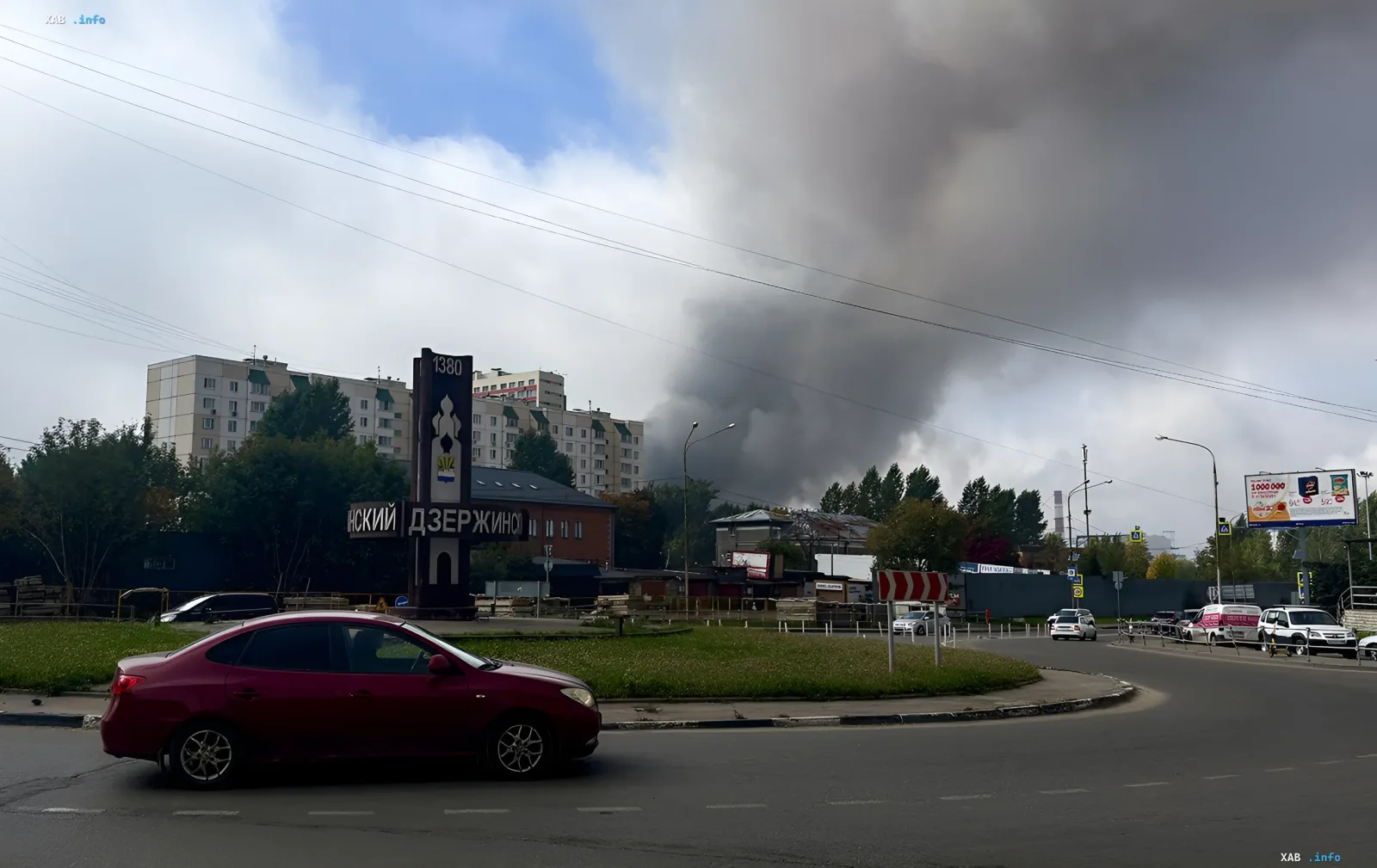
During the night of September 20, 2026, a Ukrainian drone strike on the Gazprom Neft Moscow Refinery (Moscow Oil Refinery) in the Kapotnya district led to the complete shutdown of one of Russia's largest refineries. According to three Reuters sources in the oil industry, drones landed on the plant's territory, after which a large-scale fire broke out at both crude oil primary distillation units. The agency's contacts note that eliminating the damage and returning the plant to operation may take several weeks.
Scale of Damage: Both Key Units Taken Out of Service
Two main crude oil primary processing units were damaged, which together provide the full capacity of this line of work at the Moscow Refinery. The AVT-6 unit is capable of processing 21,400 metric tons of crude oil per day — about 53% of the plant's total capacity. A further 18,800 tons per day is handled by the combined EURO+ unit, providing the remaining 47%. Thus, after both units were damaged, the plant effectively lost the ability to carry out primary crude oil processing in full.
Loss of All Primary Processing Capacity
The combined throughput of the two disabled units is about 40,200 metric tons of crude oil per day, which is equivalent to 100% of the plant's primary processing capacity. This means that even if the other workshops remain operational, the plant cannot receive and process feedstock in the previous mode until the primary distillation units are restored. According to Reuters sources, the timeline for resuming operations depends on the severity of the damage and may take several weeks.
Market and Logistics: Fuel Disappeared from the Exchange
The consequences of the attack are already reflected in product sales. According to Reuters sources, Moscow Refinery fuel has not been offered for sale on the Saint Petersburg International Commodity Exchange since September 21. This is an indirect indicator of a complete processing halt: if the plant had continued to produce products in the previous volume, its lots would have continued to appear in exchange trading.
Contradictory Data
It is important here to distinguish between two levels of information. The damage to and shutdown of the Moscow Refinery have been confirmed by several independent Reuters sources in the oil industry, as well as recorded by Ukrainian media outlets citing the same data. At the same time, statements by Russian officials on the scale of the entire drone strike campaign have not been corroborated by independent sources: according to Moscow Mayor Sergei Sobyanin, more than 1,600 drones have allegedly been shot down at various checkpoints since September 19, of which 450 were heading toward Moscow. This figure is a one-sided official estimate and has not been confirmed by external observers, whereas the fact of the Moscow Refinery's shutdown is supported by industry sources. Readers should keep this difference in the degree of verification in mind.
Context: Plant Volumes Before the Attack
The Moscow Refinery is one of the largest facilities of its kind in Russia. According to Reuters sources, in 2024 the plant processed 11.6 million tons of crude oil, equivalent to about 230,000 barrels per day. In the same year, the enterprise produced 2.9 million tons of gasoline, 3.2 million tons of diesel fuel, and 1.3 million tons of bitumen. The failure of both primary processing units puts the entire production cycle at risk, and the recovery timeline will be determined by the results of the damage assessment.