The drone strike on the Kstovo refinery of "LUKOIL-Nizhny Novgorodnefteorgsintez" (NORSI) has disrupted fuel supplies across the Central Federal District. According to analyst estimates, the plant covered more than 50% of Moscow and the Moscow Region's demand for commercial gasoline and up to 11% of Russia's total Euro-5 fuel production, with deliveries routed via the direct ring petroleum pipeline (MKNPP), which made logistics cheap and fast.
What is happening at gas stations
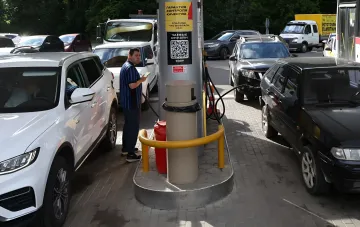
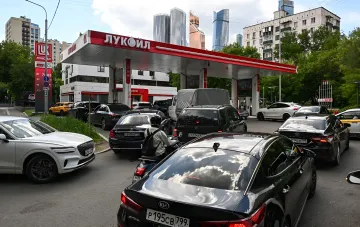
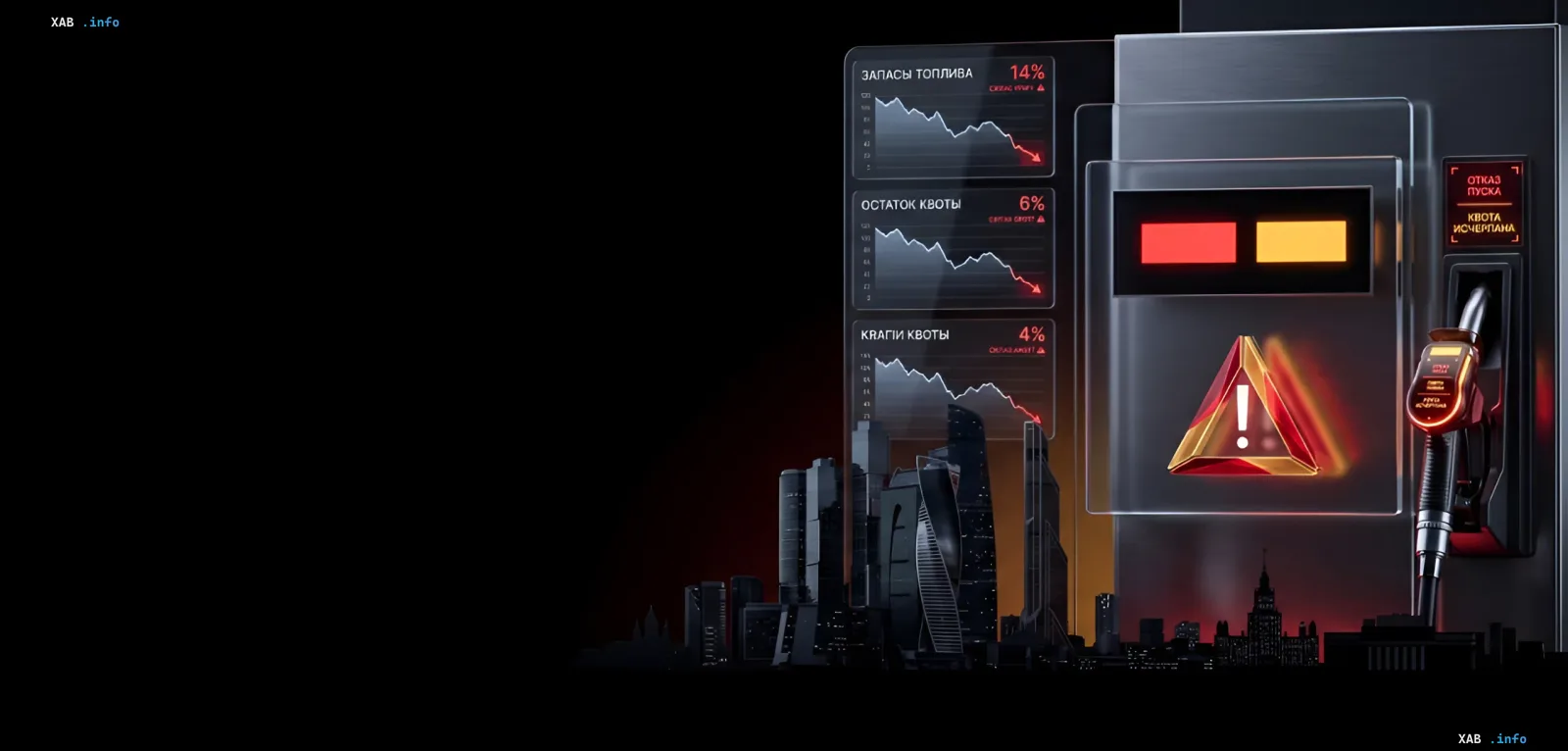
Operational stockpiles at the Moscow Region's oil depots are calculated to support 10–14 days of autonomous operation. Attempts to redirect volumes from the Omsk refinery and the Ufa group are hampered by a shortage of tank cars and congestion on the Russian Railways network. Independent chains are already recording a shortage of wholesale lots at SPbMTSB; "LUKOIL" is introducing dispensing limits — in Chuvashia the norm has been raised to 40 liters, indicating the systemic nature of the restrictions.
Contradictory data
The figures on NORSI's share in supplying the capital (over 50% and up to 11% of Euro-5) are estimates by RBC-Ukraine analysts and industry sources, not official "LUKOIL" data, which the company does not confirm. Specific limits for Moscow are not named in open sources — only the norm for Chuvashia (40 liters) is known, so the exact scale of restrictions in the capital remains unconfirmed.
Context of the shortage
The problem extends beyond a single region: according to Reuters, Russia has begun importing gasoline from Africa against the backdrop of a general fuel shortage. The combination of the strike on Kstovo, overloaded rail logistics, and simultaneous damage to other refineries creates a risk of rising prices at the pump and a shift to coupon-based dispensing in the capital region.