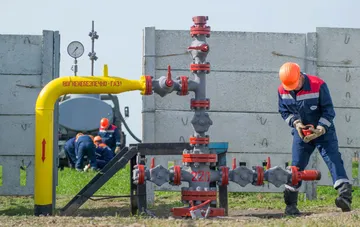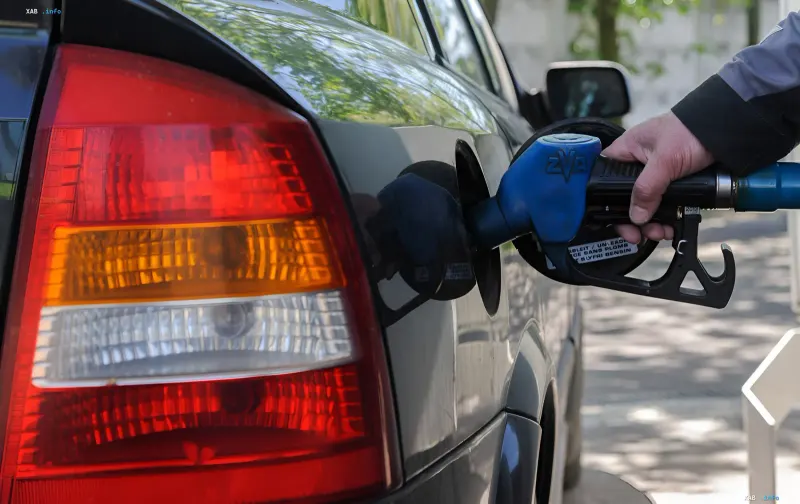
On August 18, 2026, the Ukrainian fuel market is demonstrating remarkable resilience. Despite regular attacks by the Russian side on logistics hubs and energy infrastructure, shelves at gas stations are not emptying, and prices remain within the projected range. However, this stability has its nuances, which depend on geography and the current geopolitical situation.
Survival Strategy: What experts say about logistics
Dmytro Leushkin, founder and CEO of Prime Group, outlined the current picture in a recent interview with RBK-Ukraine. According to him, there are currently no prerequisites for an acute shortage of gasoline or diesel fuel in most of Ukraine. Supply systems, despite external pressure, continue to function in normal mode.
However, the expert introduced an important distinction. For border areas, where logistics chains are most vulnerable, the situation requires special attention. Leushkin directly recommends that drivers in these regions keep a fuel reserve. "In border areas, I advise keeping jerry cans in reserve, because there may be logistics failures, supply failures. This is quite likely," he noted. At the same time, there is currently no such threat for central and western regions.
Forecast until the end of August: volatility and weather
The fuel market, like any other, is subject to the influence of many factors. Dmytro Leushkin believes that until the end of August 2026, the situation will remain relatively stable, but price fluctuations cannot be completely ruled out. "Right now the market has stabilized. But I cannot say what will happen until the end of August, because the market is quite volatile and certain spikes are possible," the expert explained.
Key factors that could change the situation remain weather conditions and the hydrological situation. The water level on the Danube River plays a critical role in the ability to increase fuel supplies via alternative routes. If the water level allows for increased river logistics, this could become a stabilizing factor. Conversely, any weather disasters could disrupt supply chains.
Global risks: storms in the US and prices
The Ukrainian market does not exist in a vacuum and depends directly on global prices. A separate risk factor remains events on a global scale. In particular, experts are paying attention to possible storms in the US. Meteorological phenomena in key oil refining regions could affect the volume of fuel shipments to Europe, which will inevitably affect prices and fuel availability in Ukraine.
Contradictory data
While the official position of experts indicates no shortage, in practice, drivers in border zones may face local disruptions that are not always recorded in overall statistics. On the one hand, major market players (such as Prime Group) claim stability. On the other hand, real conditions "on the ground" in active combat zones may dictate their own rules, where access to gas stations becomes a matter of security, not just logistics. This creates a gap between the macroeconomic forecast and the micro-situation of a specific driver.
Thus, by mid-August 2026, Ukraine is demonstrating the ability to hold the fuel market, but the need to have a reserve in the border zone remains a relevant recommendation.