
Ukraine can be discovered not only through its cities, architecture, and nature but also through its local cuisine. Each region has dishes that are hard to imagine outside the place where they originated: some have long become gastronomic symbols, while others remain less known but no less expressive. The Wave RBC.UA project has compiled a list of dishes worth planning a separate gastronomic trip for — from the mountain pots of Zakarpattia to Odessa tables and Carpathian villages.
Zakarpattia and Bukovyna: Bograch and Mamaliga
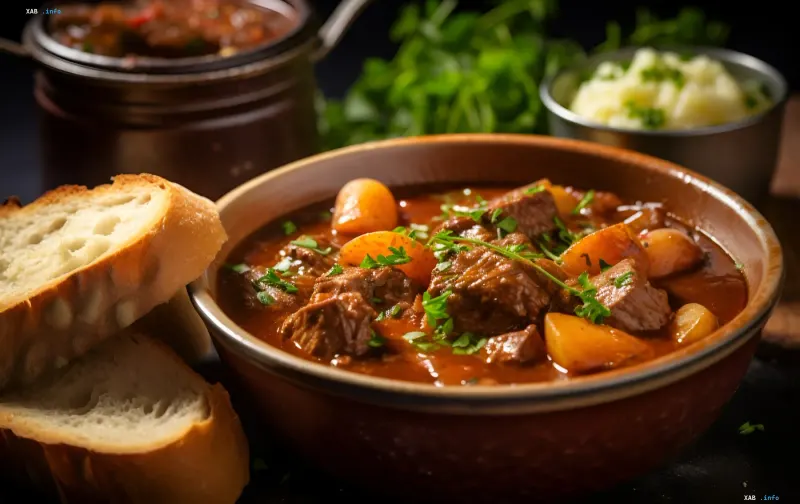
In Zakarpattia, you should try bograch — a thick, rich dish made of meat, vegetables, and paprika, traditionally cooked in a cauldron. It may include beef, pork, potatoes, carrots, onions, and spices; recipes vary by locality, so even two servings of bograch can taste completely different. This hot, aromatic, and very hearty dish is especially fitting after a day in the mountains. In Bukovyna, mamaliga holds a special place — a dish made from cornmeal, served with brinza, sour cream, cracklings, mushrooms, or meat. Here, not only the porridge itself matters but also the toppings, creating a rich combination of flavors: a simple base turns into a full-fledged gastronomic dish.
Poltava Dumplings and Lviv Syrniki
Poltava dumplings (klytsky) have long become one of the gastronomic symbols of the region. These are pieces of dough steamed or boiled, then served with various toppings — sour cream, cracklings, meat, or gravy. Dumplings can be plain or stuffed. In Poltava, this is not just a dish but part of the city’s gastronomic identity, so tasting it on-site offers a completely different experience than making it at home. In Western Ukraine, one of the most famous desserts is the Lviv syrniki. Unlike regular cottage cheese casserole, it has a dense yet tender texture and is often covered with chocolate glaze; raisins, lemon zest, or vanilla may be added to the cottage cheese mass. In Lviv, syrniki can be found in many cafes and restaurants, but it is especially interesting to compare several versions, as each establishment has its own take on the classic dessert.
Odessa, Volyn, and Chernihiv: Forshmak, Matyk, and Stew
Odessa cuisine was shaped by various cultures, so local gastronomic traditions are particularly diverse. One dish often associated with it is forshmak: made from herring, adding apple, onion, egg, butter, and other ingredients depending on the recipe. Forshmak can be served on bread or croutons; it’s a simple dish, but precisely in it, the character of Odessa home cooking is well felt. Volyn and Polissya are especially linked with matyk — a traditional meat product made primarily from pork: the meat is salted, seasoned, placed in a pig’s stomach or bladder, and slowly dried over time. Recipes vary by locality and family, so matyk is interesting not only as a product but also as part of local gastronomic tradition. In Chernihiv, stew was traditionally cooked in a clay pot in the oven, making the meat very tender and the vegetables soaked in meat juices; it is made from meat and potatoes, adding onions, carrots, mushrooms, or other seasonal products, and different regions have their own variations.
Carpathian Banosh and a Gastronomic Route
Banosh is one of the most famous dishes of the Carpathians. It is made from cornmeal with sour cream or cream and served with brinza and cracklings. Banosh tastes especially good in the mountains, where it is often prepared according to traditional recipes. An important detail is the right consistency: ready banosh should be creamy, and salty brinza and crispy cracklings add contrast. Thus, when planning a trip to Ukraine, it is worth adding to your route not only museums and sights but also a place where you can taste local cuisine: sometimes the character of a region is best revealed through food.