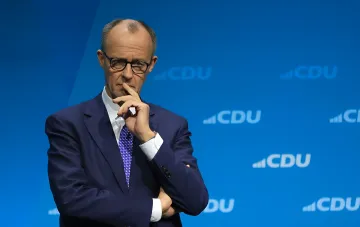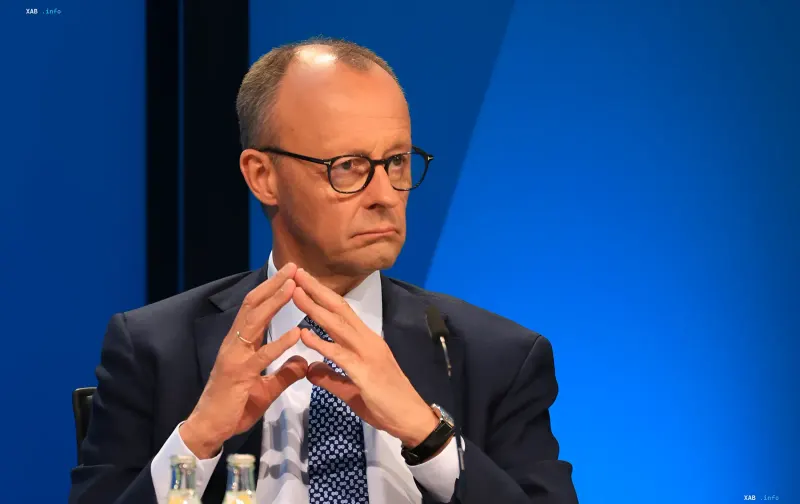
German Federal Chancellor Friedrich Merz has strongly reacted to Washington's initiative to transfer frozen Russian sovereign assets under American control. Berlin's position is that all blocked funds are located within Europe and solely European states hold the sovereign right to determine their future fate without external interference.
Berlin's position on frozen funds
Commenting on recent proposals from US President Donald Trump's administration, Friedrich Merz emphasized the principled independence of the European stance on this issue. According to the German leader, the assets are frozen within European jurisdiction, meaning any decisions regarding their status or potential redistribution must be made exclusively within European Union capitals. Washington, in turn, had proposed moving a portion of the frozen reserves into financial structures under American management to facilitate the peace process.
Context of the EU summit in Brussels
The German chancellor's statements came against the backdrop of the European Union leaders' summit taking place on October 15-16 in Brussels. Notably, the practical use or transfer of frozen Russian funds was not officially included in the current agenda of the European meeting. Furthermore, summit participants do not plan to approve any new large-scale financial support packages for Ukraine at this stage.
Background and search for aid mechanisms
Discussions surrounding the fate of Russian assets have continued since their blocking following the full-scale invasion of Ukraine. Previously, the Parliamentary Assembly ofेंडर of Europe proposed creating a special legal mechanism based on European Court of Human Rights rulings to transfer these funds to Kyiv, though tangible progress has not been achieved. Ukraine itself continues to actively seek new ways and tools to gain access to billions in Russian reserves amid the ongoing war.
Significance of Germany's position for future negotiations
Friedrich Merz's hardline stance demonstrates Europe's determination to maintain strategic autonomy in financial matters and prevent the US from hijacking the initiative in conflict resolution. Berlin's refusal to hand over assets to American control underscores divisions among Western allies regarding diplomatic scenarios and financial support mechanisms for Ukraine. The further development of the situation will show whether the EU and Washington can forge a unified strategy or if European countries will continue blocking any attempts at external redistribution of frozen funds.