The German government has moved from investigation to public attribution: at a joint press conference, Interior Minister Alexander Dobrindt and Foreign Minister Johann Wadefuhl officially stated that Russia is responsible for the hybrid attack on Leipzig airport. According to Dobrindt, the means used in the "sabotage in Leipzig" are "known from other hybrid operations carried out by Russia and its war against Ukraine," and the attempted attack on the airport "fits the established pattern of Russian hybrid operations in Europe." The minister emphasized that this was a planned operation carried out directly by Russian actors.
Technical picture of the attack
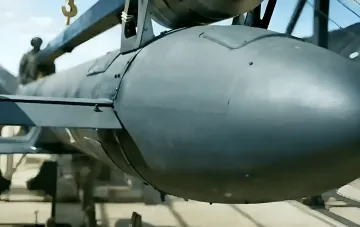
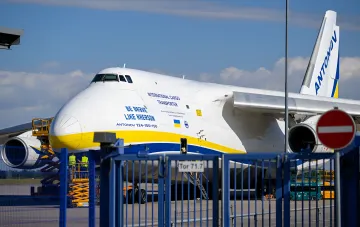
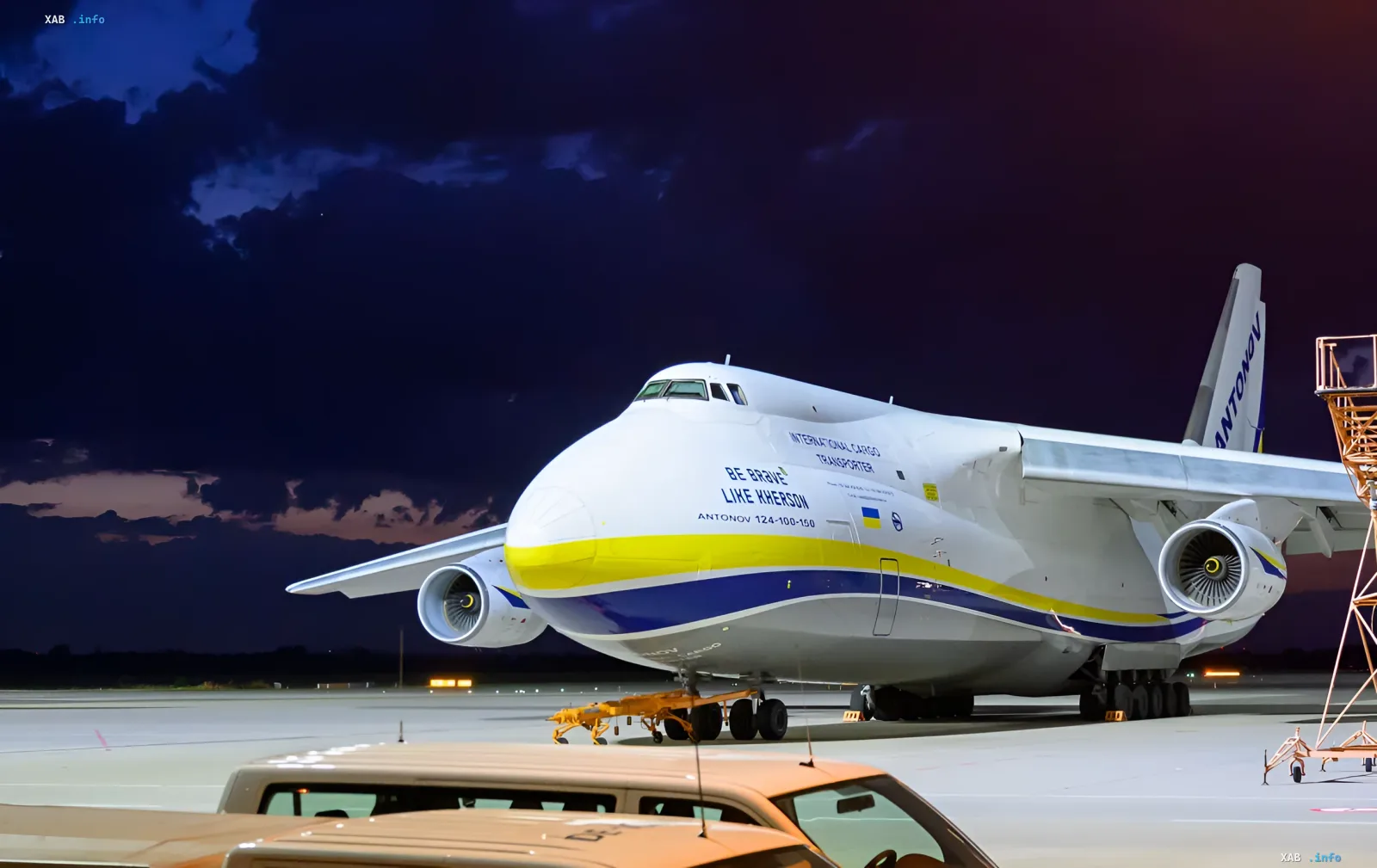
According to the information presented during the briefing and previously published data, on the night of August 5 a drone with explosives was found next to a Ukrainian Antonov An-124 cargo aircraft at Leipzig airport, prompting a temporary suspension of airport operations. The publication Die Zeit later reported that the FPV drone hit the most vulnerable part of the wing — the area where the fuel tanks are located — which, according to experts, indicates a deliberate attack rather than a "warning" gesture. On August 25, German law enforcement officers found another drone with explosives, which was presumably also used in the attack on the An-124.
Berlin's countermeasures
In response to the hybrid operation, Germany adopted a package of diplomatic and administrative decisions. The Russian consulate general in Bonn is being closed until September 18, and the agreement on the operation of the "Russian House" institution in Berlin is being fully terminated. The German side is also introducing stricter controls on the entry of Russians into the country, increasing pressure on Russia's "shadow fleet," and expanding the list of persons under special surveillance in connection with hybrid threats. During the press conference itself, the Russian ambassador was summoned to the German Foreign Ministry.
Sanctions pressure and the role of the EU
Berlin intends to channel national measures into a Europe-wide framework: Germany will propose to the European Union new sanctions lists of Russians involved in organizing and carrying out such hybrid attacks on the territory of European states. Foreign Minister Wadefuhl called the incident part of a "long series of attempts at destabilization, disinformation, threats, sabotage and aggression directed against Europe," emphasizing that Russia's actions fit into a systematic campaign against the continent.
Contradictory data
The sources contain a minor discrepancy in the dating of the incident: in Minister Dobrindt's statement the attack on the airport is dated "August 4," whereas the reference section of the report says "the night of August 5." In fact, both formulations describe the same events that took place during the night hours at the junction of these dates, however, this difference in presentation should be taken into account when quoting. In addition, it is important to distinguish between two levels of assertion: the official attribution of responsibility to Russia is a political conclusion by German authorities, based on a comparison with known patterns of Russian operations, whereas the technical confirmation of the deliberate nature of the strike (the hit on the fuel tank area) relies on data from Die Zeit. The provided sources do not include an official reaction from the Russian side, which limits the possibility of cross-checking versions.
Context and significance
Berlin's decision to link national measures with the EU sanctions agenda and, at the same time, close the Russian diplomatic representation makes the Leipzig incident one of the sharpest episodes of escalation in the hybrid confrontation between Germany and Russia. For Kyiv, the situation is doubly significant: the attack was directed against a Ukrainian An-124 cargo aircraft, which underscores that strike infrastructure and logistics linked to Ukraine remain within the scope of Russian operations on European territory.