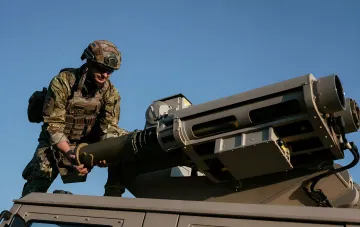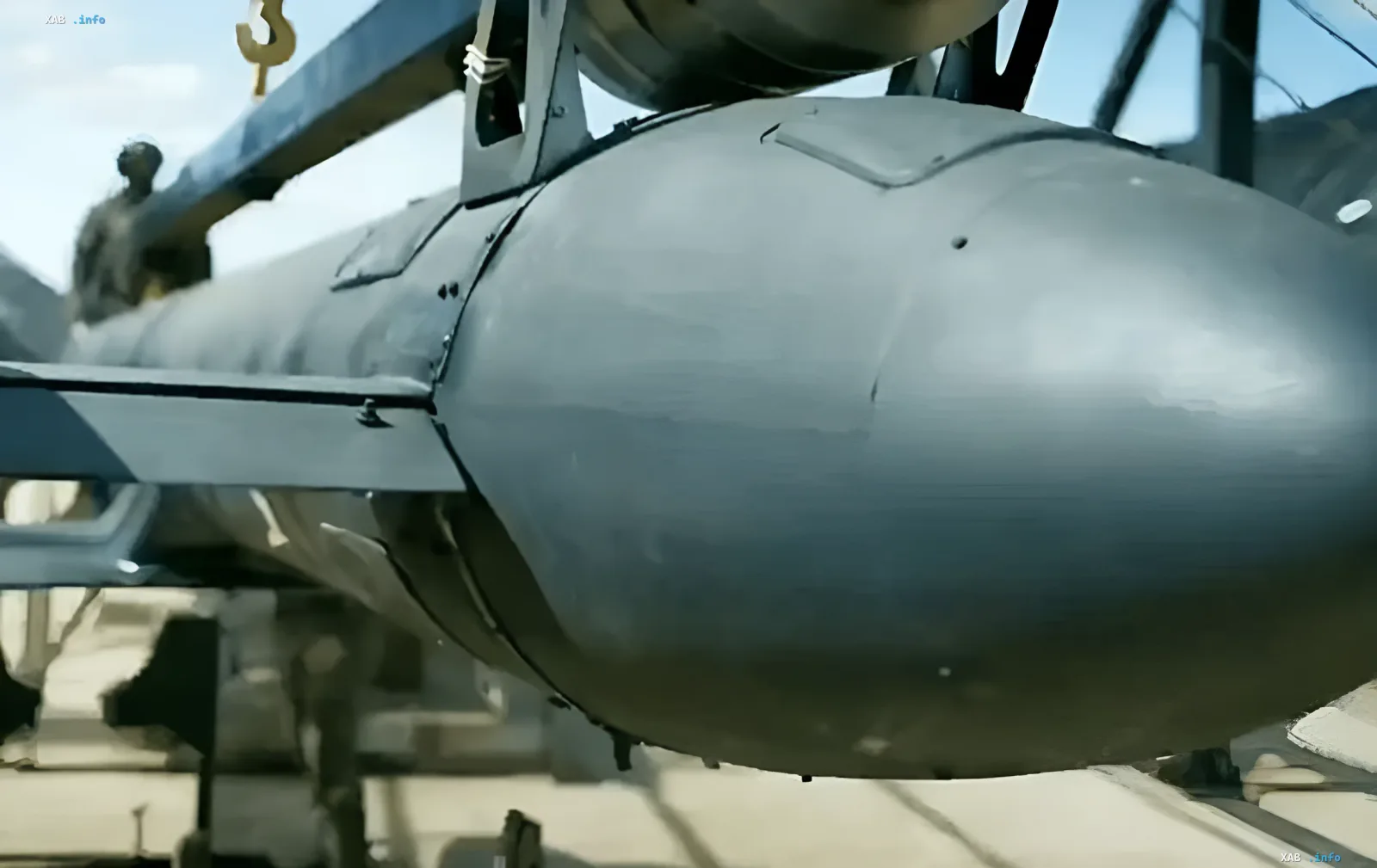
Despite years of pressure from Western sanctions regimes, Russia has established serial production of jet engines for unmanned aerial vehicles. According to a source in Ukrainian air defense structures, the key technological breakthrough was the acquisition of equipment for 3D-printing turbine units — comparable in specifications to that used at Western enterprises, including Rolls-Royce plants. It was precisely this step, the source assesses, that made it possible to move from one-off and semi-cottage samples to full conveyor-based production of jet-powered drones, fundamentally changing the nature of aerial attacks on Ukrainian territory.
Technological breakthrough and sanctions evasion
Until recently, Moscow's main constraint had been access to high-precision equipment for producing turbine components, which were traditionally supplied through chains controlled by Western regulators. Obtaining 3D-printing machines capable of reproducing the complex geometry of turbine blades and housings allowed these restrictions to be bypassed. The source in Ukraine's air defense emphasizes that this is not about one-off experimental samples but about industrial scale: the equipment allows units to be replicated with the repeatability required for serial production. This means that the sanctions "gate," which the West considered a reliable barrier, has been effectively dismantled.
Unit cost has fallen by at least half
The economic effect of adopting the new technology has been comparable to the technological one. According to the same source, the unit cost of a single jet-powered drone has dropped by at least half — to a range of $50,000–70,000 per unit. At the same time, the publication's interlocutor states directly that this figure is not a lower bound: as the conveyor is refined and 3D printing scales up, the price will continue to fall. For comparison, analysts previously estimated the cost of similar systems in a substantially higher range, which made their mass use economically unviable for the attacking side. Now, as the source notes, "the problem of mass deployment of such drones will only deepen," which, in his words, refutes earlier forecasts by Western military departments that had assumed the Russian stock of jet-powered UAVs would remain limited.
Ukraine introduces a two-tier air alert system
Against the backdrop of a steady rise in attacks using jet-powered drones, Ukrainian authorities have revised the procedure for alerting the population. On September 3, 2026, President Volodymyr Zelensky, following a meeting with Prime Minister Serhiy Horenky, announced the introduction of two levels of air alert. The "yellow" level will be in effect in the event of a drone attack threat, while the "red" level applies to a missile threat or a massive strike. The tiering is intended to reduce panic in the rear and give the population more precise information about the nature of the threat; in essence, however, it codifies a new "normal" regime: jet-powered drones cease to be an episodic phenomenon and become a routine element of the air picture.
Strategic context and threat assessment
The publication's source in Ukraine's air defense frames the problem in blunt terms: "Ukraine failed to prepare adequately for this threat, but the blame also lies with our partners." This phrase reflects growing frustration in Kyiv over the fact that Western suppliers of air defense and reconnaissance systems have been unable to keep pace with the changing nature of the threat. Jet-powered drones flying at altitudes and speeds close to those of tactical aviation require a different set of interception means than traditional cruise missiles or "Shaheds." As Euronews and The Telegraph previously noted, precisely this mismatch forces Ukrainian air defense to spend expensive air-defense missiles on intercepting relatively cheap targets, creating a long-term ammunition shortage. Thus, the technological shift on the attacker's side — 3D printing of turbines and a cost reduction to $50,000–70,000 — is escalating into a systemic problem for the entire architecture of Ukrainian air defense.