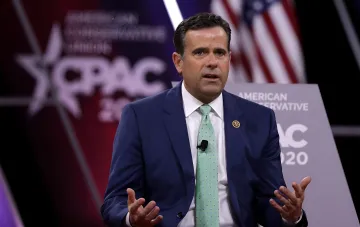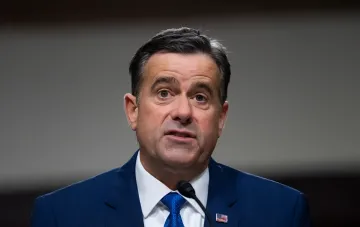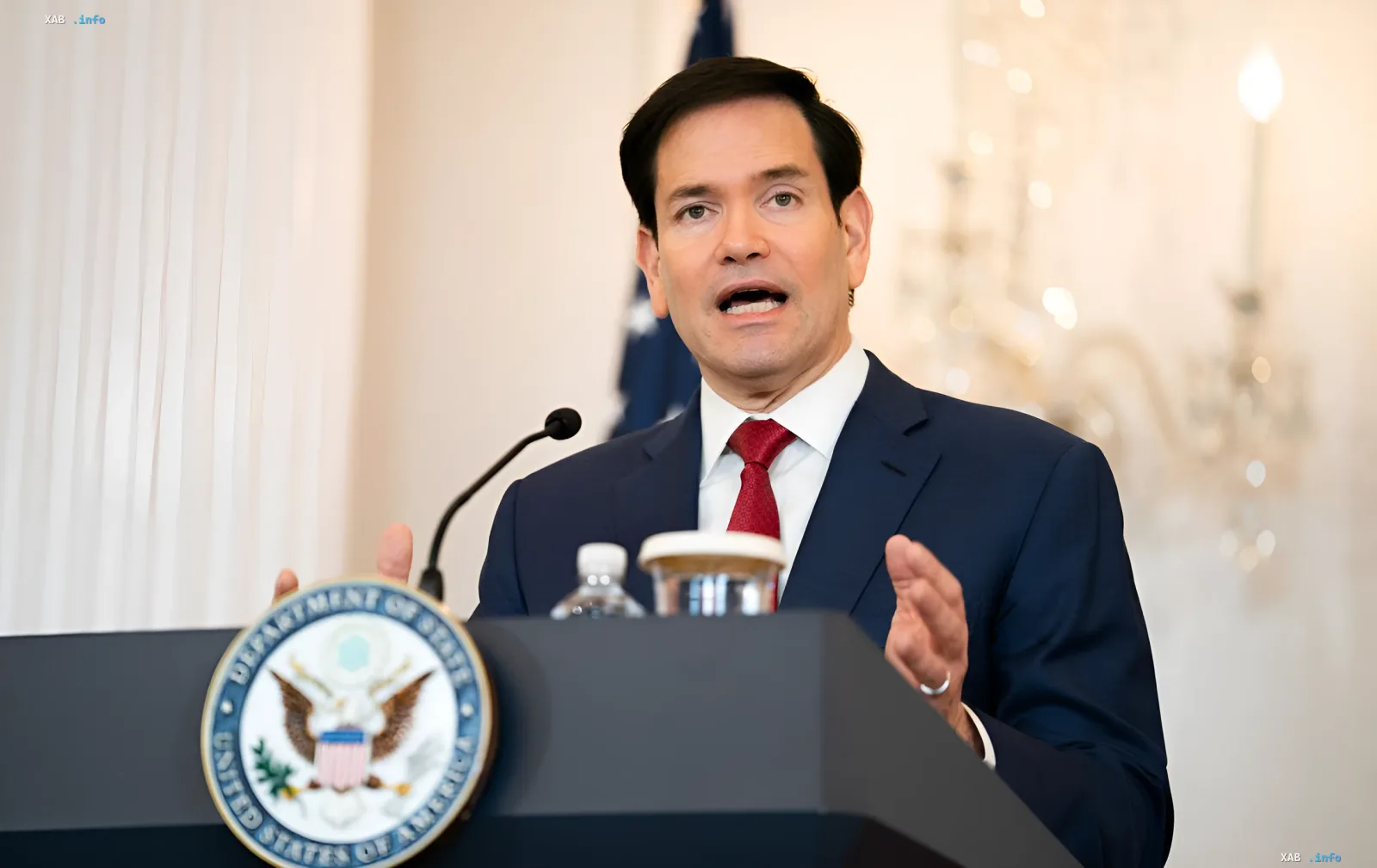
US Secretary of State Marco Rubio stated that maintaining communication channels between the intelligence services of Washington and Moscow is a critical tool for preventing escalation during periods of major crises and conflicts. According to him, the unannounced trip by CIA Director John Ratcliffe to the Russian capital was largely routine in nature and aimed at establishing and strengthening these lines of communication. The statement came against the backdrop of ongoing daily strikes on Ukrainian cities and discussions over the supply of air defense systems.
'Routine' work of communication channels
As RBC-Ukraine reports, citing Bloomberg, Rubio emphasized that Ratcliffe's visit 'was mostly routine, in the sense that he was simply establishing and continuing to build these communication channels between the intelligence agencies.' In the view of the head of the State Department, such mechanisms 'could prove useful in a crisis or conflict,' which effectively reclassifies the secret trip from a political gesture into the category of standard intelligence diplomacy. Rubio also touched on the issue of protecting Ukrainian cities from systematic shelling and the supply of air defense systems, linking it to the broader logic of reducing the risks of uncontrolled escalation.
Secret visit and the absence of a meeting with Putin
The unannounced visit by the CIA chief to Moscow, according to the publication, took place on August 25. The Kremlin stated that the official did not meet with Vladimir Putin. Meanwhile, US President Donald Trump had earlier hinted that the topic of the war in Ukraine was raised during the talks, underscoring Washington's desire to end the hostilities as soon as possible. Thus, the official American line describes the trip as a technical establishment of communication, while the Russian officialdom records only the fact of the visit without details of any top-level contacts.
Contradictory data
The versions offered by the two sides regarding the circumstances of the visit differ markedly. On the one hand, Rubio characterizes the trip as 'mostly routine' work on building communication channels, while the Kremlin merely confirms the absence of a meeting with Putin, without disclosing the reasons. On the other hand, media reports emerged that Putin canceled the meeting with the CIA chief at the last minute due to his gloomy assessment of the state of Russian troops in the war against Ukraine; the Kremlin later reacted to this information and explained why the meeting did not take place. Thus, one version attributes the lack of contact to a formal schedule, while the other — to a substantive conflict over assessments of the course of the fighting, and these versions have not been publicly reconciled.
Context: a warning to the Kremlin and Ukrainian air defense
In parallel, the US continues to seek ways to strengthen Ukrainian air defense against the backdrop of daily strikes on Kyiv and other cities. Some observers and former CIA officials interpret the Moscow trip not as routine, but as a personal warning to the Kremlin that 'something is happening' and that Washington is ready to use direct channels to manage risks. Combined with Trump's statements about the desire to quickly end the hostilities, this creates a picture in which secret intelligence contacts become one of the few remaining tools of deterrence amid an ongoing war.