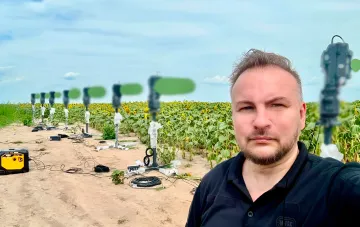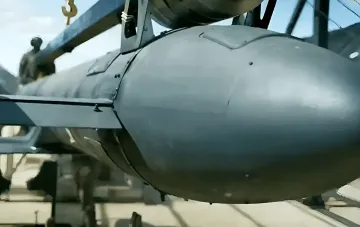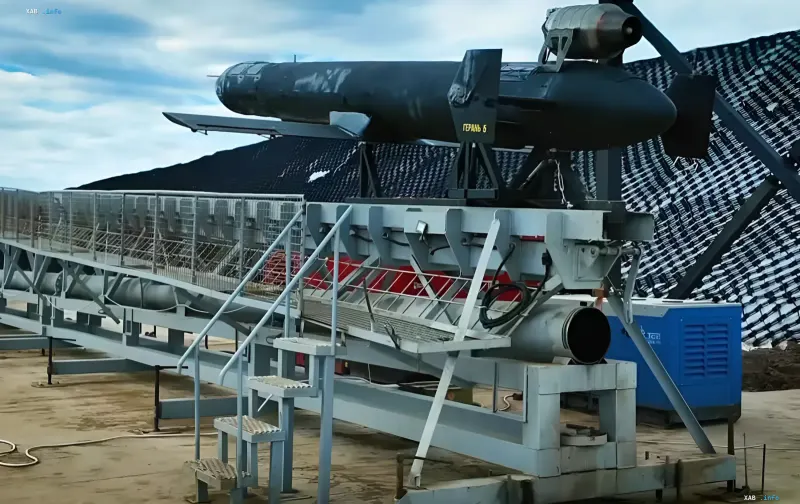
Russian Geran-5 jet-powered attack drones are capable of accelerating up to 1,000 km/h during certain maneuvers, according to a statement by Serhii "Flash" Beskrestnov, an advisor to the Ukrainian president on defense technologies. This was reported by RBC-Ukraine, citing the UNIAN agency. According to the expert, such speeds were recorded during drone maneuvering, which significantly increases the load on air defense systems.
Record Speed and the Chinese Trace
Beskrestnov emphasized that Russia is continuously improving its unmanned systems, involving a significant number of engineers and young specialists in development. "The best engineers in Russia are working against us. And this is not only Russia, but also China," he stated. According to him, Chinese engines, antennas, modems, cameras, and other key components are being found in Shaheds, and Chinese engineers are reportedly participating in developing specific technical solutions for Russian drones.
Discrepancies in Estimates Within Military Leadership
At the same time, estimates of the maximum speed of jet drones differ within the Ukrainian military leadership. Yurii Cherevashenko, Deputy Commander of the Ukrainian Air Force, stated at a meeting of the parliamentary Temporary Commission of Inquiry that the current maximum recorded speed is up to 600 km/h, while figures of 800–900 km/h are projections and have not yet been recorded. Thus, the 1,000 km/h mark claimed by Beskrestnov has not yet been confirmed by other public sources.
Share of Jet Drones in Attacks
According to Cherevashenko, since July Russia has significantly increased the use of jet drones: they now account for about 40% of all deployed UAVs, and according to Air Force forecasts, their share could grow to 80%. The Ukrainian side, in turn, is developing countermeasures: 20 jet interceptor manufacturing companies are interacting with the Air Force, 14 of them are conducting test flights, and six have achieved certain results in destroying such targets.
Air Defense Effectiveness and Its Limitations
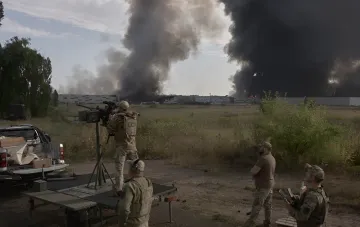
As previously noted, Ukrainian air defense is increasing the interception rate of Russian jet attack drones: the average destruction rate for Geran-4s is almost 60%, and the effectiveness of inflicted damage in some cases reaches 85%. At the same time, air defense performance is significantly affected by round-the-clock enemy attacks, limited missile resources, and weather conditions. Jet drones are capable of covering significant distances and reaching the western regions of Ukraine, and their range depends on technical characteristics, fuel supply, and onboard equipment.