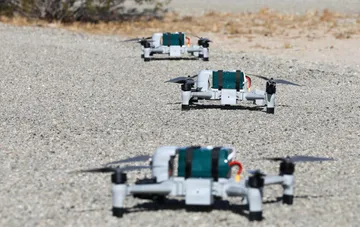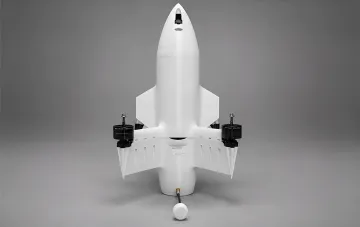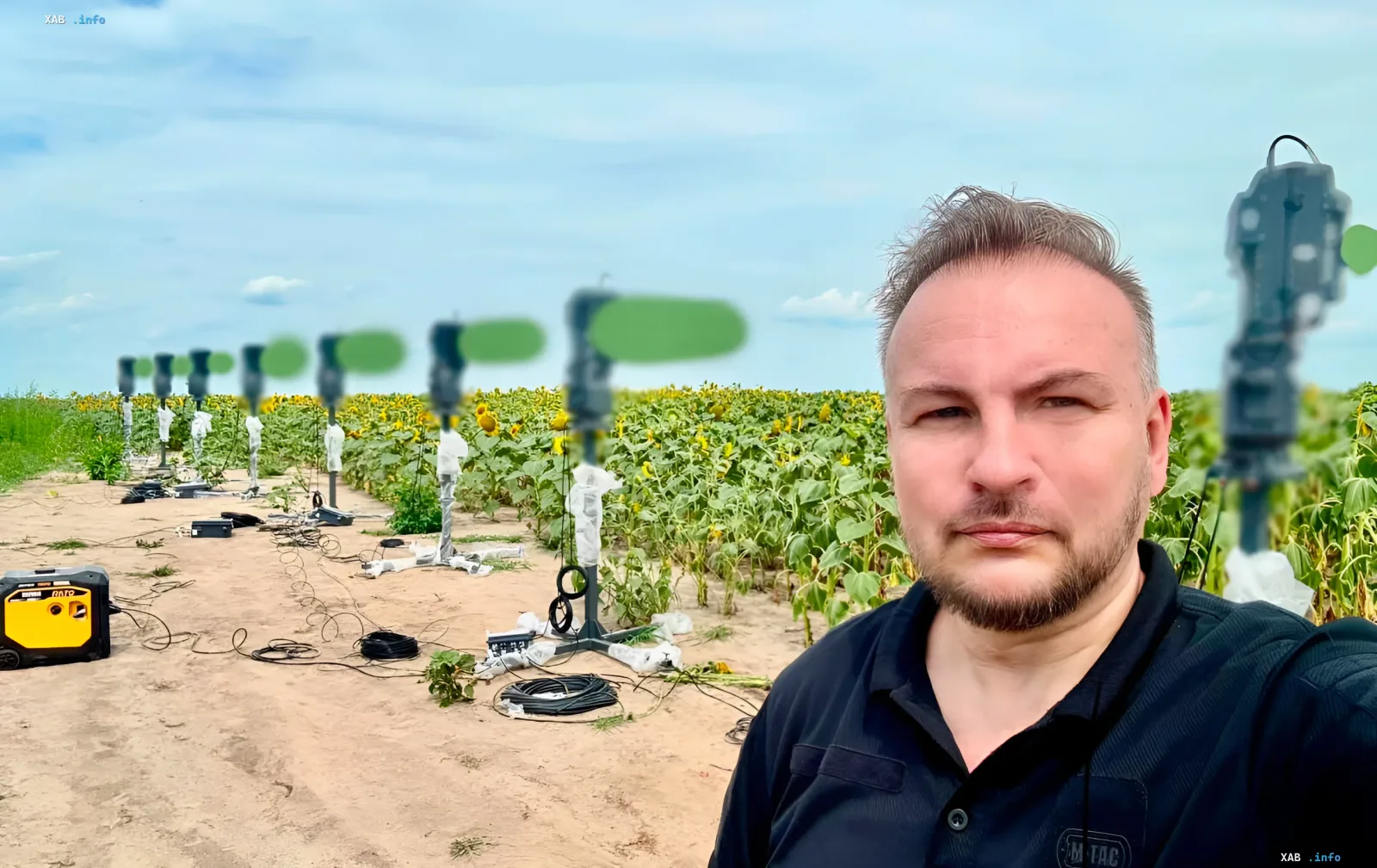
Ukrainian military forces have confirmed the successful use of a domestically produced reactive interceptor drone against the enemy's reactive unmanned aerial vehicle "Geran-5." This was reported by RBC-Ukraine, citing the Telegram channel of Serhiy "Flash" Beskrystnov, the President of Ukraine's adviser on the development of technological directions in defense, who published confirmation of the system's activation and a frame captured one second before the target was destroyed.
Confirmation from "Flash": the system is functional
"I confirm it. The reactive interceptor works. The speed margin for various targets is sufficient," Beskrystnov wrote in his channel. According to him, there is still work to be done on the product, but it is already functional, real, and ready for further refinement. Along with the message, the President's adviser published a photograph of the enemy "Geran-5" drone taken one second before it was shot down by the interceptor. Beskrystnov separately noted that, unfortunately, he cannot publicly thank everyone who took part in creating and manufacturing this interceptor.
A series of successes: from "Shaheds" to "Gerans"
The downing of the "Geran-5" was not an isolated incident but part of a series of confirmed successes. On the same day, the Security Service of Ukraine had already shot down a reactive "Geran-5" with a Ukrainian interceptor — according to the President, this was already the second such result by military counterintelligence in a single day. Earlier that same day, Volodymyr Zelenskyy showed the first footage of reactive "Shaheds" being destroyed by Ukrainian interceptors, emphasizing that military counterintelligence already has a good record in countering such drones.
Scaling up production ahead of winter
Recently, the head of state also confirmed the successful testing of two domestic interceptors that shot down a Russian reactive "Shahed." The President thanked the developers and emphasized that the production of such systems would be scaled up to give Ukraine more protection before winter. Thus, the confirmed activation of the reactive interceptor against the "Geran-5" fits into a growing trend in the use of domestic means of countering enemy reactive unmanned aerial vehicles.
Technical caveats and prospects
It is important that the confirmation is accompanied by a sober assessment: according to Beskrystnov, the product already works and has a sufficient speed margin to engage various targets, but it remains a subject of further refinement. This indicates that the reactive interceptor is at the stage of active improvement, rather than a finished serial product, while its combat effectiveness is already being demonstrated against real targets.