Against the backdrop of an ongoing debate over the future role of the United States in European security, Berlin is actively exploring options for a deeper involvement in strengthening continental nuclear deterrence. According to The Telegraph, Germany does not plan to build its own nuclear arsenal, but is interested in having the existing European nuclear powers — the United Kingdom and France — expand their capabilities. "We are very interested in the existing nuclear states in Europe expanding their capabilities," a source told the publication. In trilateral talks involving London, Berlin and Paris, both financial and military-technical mechanisms of cooperation are being discussed.
Berlin weighs options: from Patriot to direct financial contributions
Among the specific scenarios under discussion, The Telegraph cites the possible deployment of German Patriot air-defence systems at key British nuclear sites. This refers primarily to HMNB Clyde at Faslane (Scotland), where ballistic-missile nuclear submarines are based. According to a source in the British defence sector, a contribution to the defence of Faslane is "more convincing, more likely and more sensible" than direct German participation in building British nuclear submarines. In parallel, options are being considered for financial contributions to the British nuclear forces and the provision of conventional military assistance to protect the relevant infrastructure.
The industrial question: can Germany plug into the British programme?
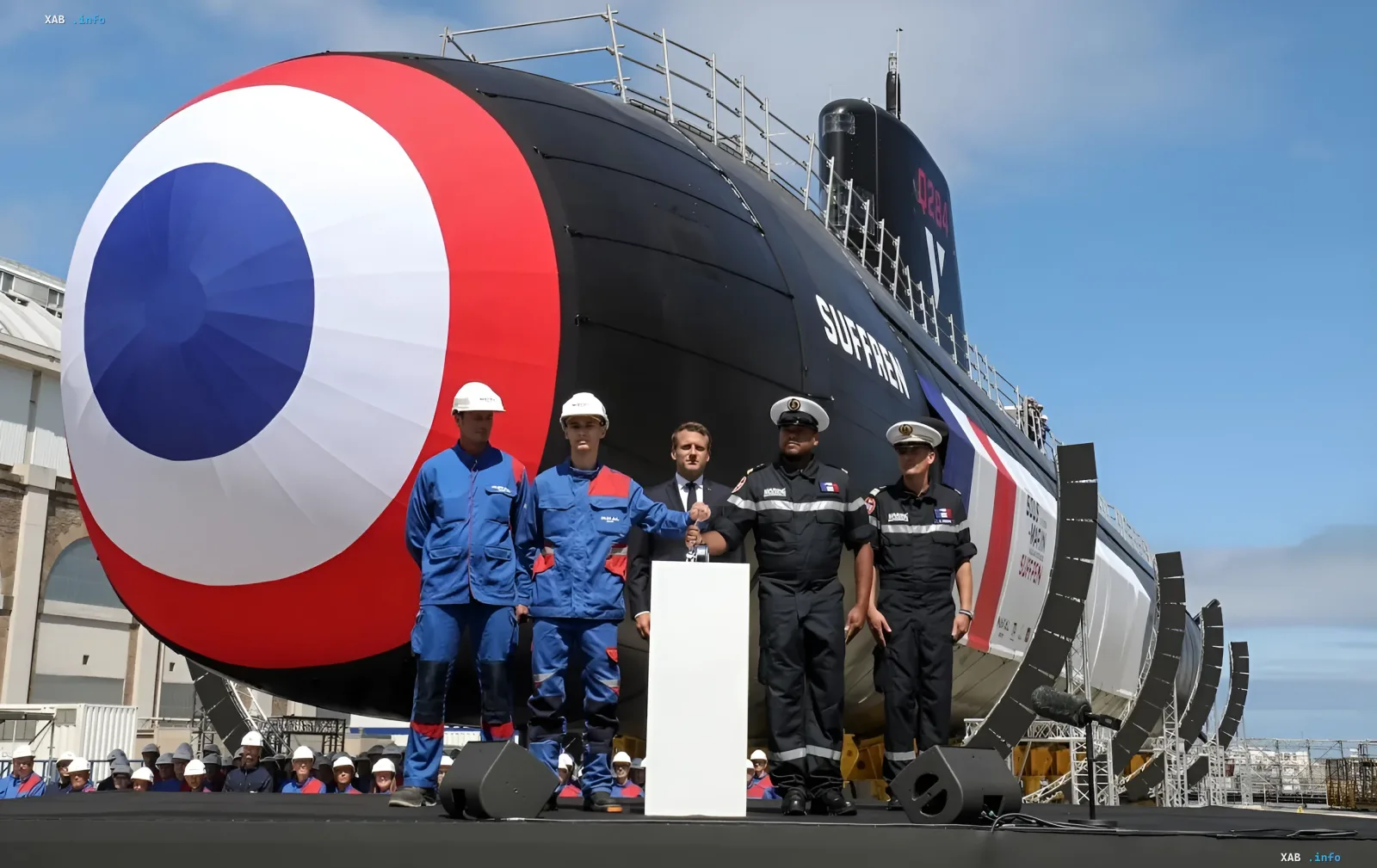
German officials have also considered tapping the country's industrial potential for future British programmes related to submarines, missiles or uranium enrichment. The United Kingdom is currently replacing four Vanguard-class submarines with four Dreadnought-class boats, which will carry Trident II D5 ballistic missiles and ensure continuous at-sea nuclear deterrence. London is simultaneously developing the Astra nuclear warhead within a programme linked to the American W93. However, according to The Telegraph, the British side doubts whether German industry has sufficient specialised experience for a significant role in building and maintaining the British nuclear submarine fleet.
The French vector: from exercises to a "nuclear umbrella"
In addition to the British track, Berlin is holding active talks with Paris. France's nuclear forces remain under full state control and include both a submarine and an air component. Paris has already begun broader consultations with European partners on the possible role of French nuclear capability in ensuring European security. As previously reported, Poland and France have moved to concrete negotiations on a "nuclear umbrella", holding the first meeting of a dedicated coordination group. In addition, Berlin has officially agreed to take part in exercises of the French strategic nuclear forces — until now the countries had acted separately, and the new joint strategy is intended to strengthen stability within the EU.
Dependence on the US: the weak link in European deterrence
Although decisions on the use of British nuclear weapons remain the sovereign prerogative of London, a number of key elements of the programme are critically dependent on cooperation with the United States. Trident missiles are produced in the US and maintained at American facilities at Kings Bay (Georgia state). The development of British and American nuclear warheads also remains closely linked. According to The Telegraph, it is precisely this dependence that is one of the central issues being discussed in Berlin. "There are reflections and discussions about how existing nuclear capabilities, such as Trident, could play a greater role in Europe's defence and in deeper cooperation between European countries," a security source told the publication.
Contradictory data
Assessments of the depth and nature of the cooperation taking shape differ between the parties and analysts. On the one hand, The Telegraph and RBC present the process as a pragmatic expansion of defence capabilities: Germany acts as a financial and logistical partner, without claiming nuclear status. RFI in March 2026 recorded the official strengthening of Paris–Berlin cooperation in the field of nuclear deterrence, and as early as July 2025 France and the United Kingdom announced their readiness to coordinate their forces. On the other hand, the outlet Inosmi in July 2026 emphasises that "the price of the alliance will be high" and "French sovereignty is at stake": in this version, deepening the integration of nuclear capabilities could call into question Paris's full state control over its arsenal. Thus, one side underlines the voluntary and limited nature of Berlin's contribution, while the other highlights the risk to the national sovereignty of the nuclear powers.