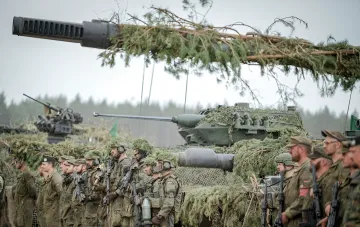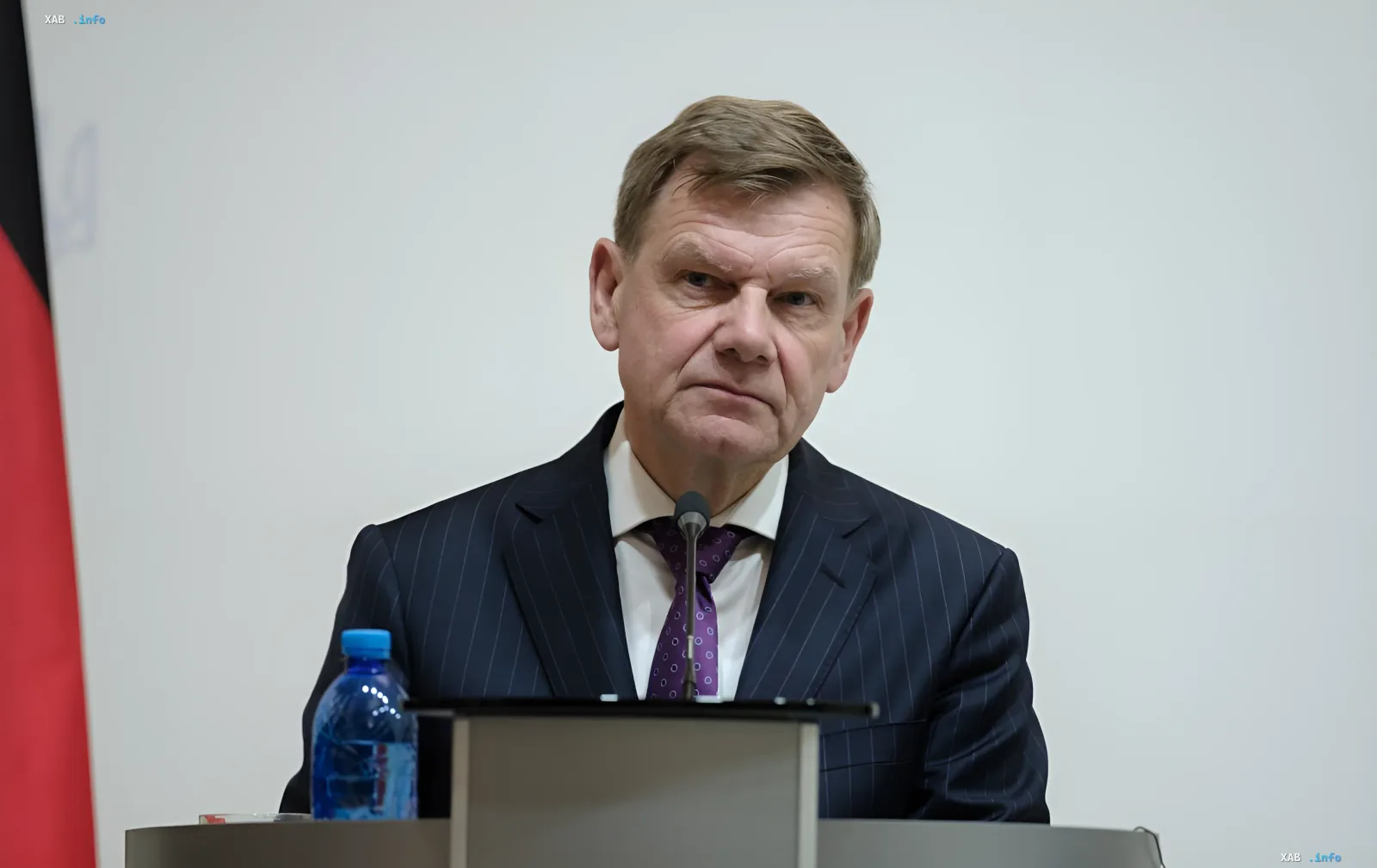
Serious concern is mounting in official German circles regarding the Kremlin's further geopolitical plans. According to German Foreign Minister Johann Wadephul, the Russian leadership does not intend to stop at the war against Ukraine, but is drawing up much broader plans to restore influence in the post-Soviet space. The German minister openly states that the Baltic states, as well as Moldova and Georgia, could face potential aggression.
Historical Revisionism and Kremlin Plans
Explaining the logic of potential future attacks, the German Foreign Minister recalled the well-known thesis of the Russian leadership that the collapse of the Soviet Union was supposedly the greatest geopolitical catastrophe of the twentieth century. According to Wadephul, consistent attempts to correct this historical "injustice" lie at the core of Moscow's modern foreign policy. This applies not only to the current hostilities in Ukraine, but also to creating systemic pressure on Estonia, Latvia, Lithuania, as well as on Tbilisi and Chisinau, which strive for European integration.
Security Commitments and Hybrid Warfare
Answering journalists' questions about Berlin's readiness to defend its North Atlantic Alliance allies, Johann Wadephul emphasized the unconditional fulfillment of Article 5 of the Washington Treaty. Any crossing of the state borders of Poland, Estonia, Latvia, or Lithuania by a foreign aggressor will be automatically regarded as an attack on Germany itself. In addition, the German diplomat emphasized that the FRG is already on the frontline of hybrid confrontation, facing constant cyberattacks and drone incidents within the country that could be precursors to a large-scale escalation.