The German government has called on Kyiv to show restraint at various levels following a recent Ukrainian strike on a Russian ship in the Baltic Sea. Berlin's position is that such operations pose an escalation risk and could jeopardize the future scale of German military support for Ukraine.
Closed-Door Defense Ministers' Talks
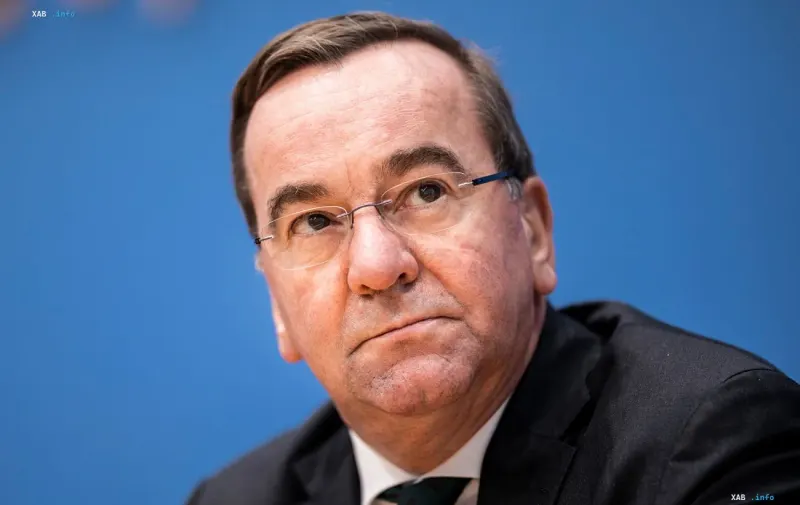
The warning was issued during a meeting between German Defense Minister Boris Pistorius and his Ukrainian counterpart Yevhen Khmara. According to sources cited by Spiegel, during the closed-door negotiations, the head of the German defense department explicitly pointed out the risks associated with expanding active combat operations into the Baltic Sea area.
Berlin fears that escalation in this strategically vital region could trigger a shipping crisis comparable to problems in other key global maritime arteries. Furthermore, the situation is complicated by the fact that the German public has recently shown growing fatigue with the conflict and diminishing approval for large-scale aid to Kyiv.
Positions of Political Forces in the Bundestag
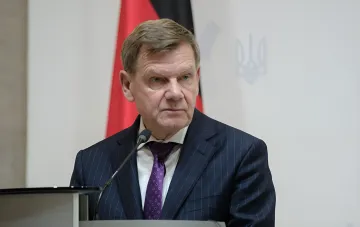
Germany's domestic political landscape demonstrates mixed assessments of the situation. Social Democratic Party (SPD) foreign policy spokesperson Adis Ah told reporters that Germany supports Ukraine's right to self-defense, but special caution is required in the Baltic region to maintain the security of coastal states.
On the other hand, representatives of the opposition CDU/CSU bloc hold a tougher stance regarding Russian military targets. Specifically, Jürgen Hardt and Defense Committee Chairman Thomas Revekamp publicly advocated for Ukraine's right to strike Russian warships and weapons transports, placing full responsibility for the war's expansion on Moscow.
The catalyst for diplomatic tension was the November 21 incident when Ukrainian drones attacked the Russian cargo ship Sparta II in the Gulf of Finland. As a result of the strike, the ship lost control and drifted into Finnish territorial waters, where a three-nation firefighting operation continued for two days.
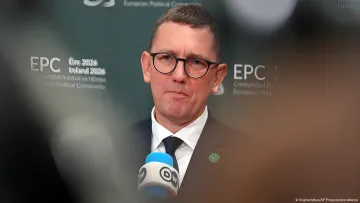
Commander of the Finnish Border Guard Ilkka Iljin previously confirmed that there was no direct threat to shipping or people, despite the risk of the uncontrolled vessel sinking. By November 23, a Russian rescue ship began towing the damaged transport, completing the active phase of the rescue operation in the region.
Significance of the Situation and Future Prospects
Berlin's concern reflects a delicate balance between supporting Ukraine's defense and protecting its own economic stability and NATO border security. The further course of events largely depends on whether the parties can establish mechanisms to prevent uncontrolled escalation in the Baltic basin, which is of critical importance to all of Northern Europe.