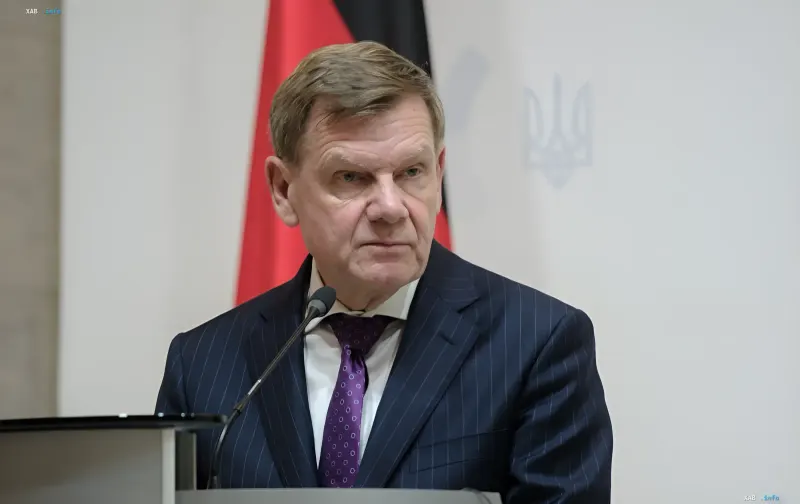
German Foreign Minister Johann Wadephul stated on Thursday, November 26, in Berlin on the sidelines of a meeting with his Romanian counterpart Dan Neculescu that Germany strongly warns Ukraine against the "geographical" spread of the conflict with Russia. According to him, Ukraine's right to self-defense is "indisputable," and Berlin continues to support Kyiv, but the diplomat stressed that he "would strongly warn against the geographical spread of this conflict." The statement came against the backdrop of recent incidents involving attacks on Russian ships in the Mediterranean and Baltic seas, reports RBC-Ukraine citing dpa.
Support and the Limits of Self-Defense
During his speech, the minister reaffirmed Berlin's continued support for Kyiv and acknowledged the legitimacy of strikes on Russian military targets, including in the Baltic Sea. At the same time, Wadephul urged avoiding actions that could lead to escalation or pose threats to shipping and the environment in the region. "But I cannot advocate for the escalation of the conflict. We must contain this conflict. We must avoid any escalation. We must also prevent any threat to shipping and the environment in the Baltic Sea region. And that is why we are currently holding very close talks on this issue," the German diplomat added.
Context: Strikes in the Baltic and Mediterranean
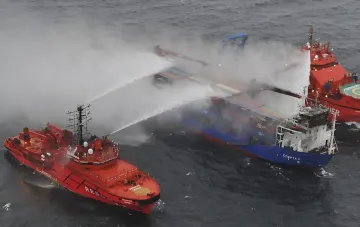
The statement came against the backdrop of two recent incidents. On the evening of November 21, drones attacked the port of Baltiysk in Russia's Kaliningrad Oblast, where the main base of the Russian Baltic Fleet is located: numerous explosions were heard in the city and drone flights were recorded. The very next day, on November 22, an incident in the Mediterranean Sea became known — according to Western media, naval drones, in the launch of which the Ukrainian military may be involved, may have struck the Russian corvette Mercury at the Benghazi naval base in Libya, as a result of which, according to the same reports, the ship sustained serious damage.
Germany's Position on Escalation
Thus, Berlin, while maintaining its line of support for Kyiv and recognizing the right to strike military targets, simultaneously outlines "red lines": the unacceptability of expanding the geography of the conflict, threats to civilian shipping, and environmental risks in the Baltic region. According to Wadephul, it is precisely these considerations that underlie the "very close talks" that Germany is conducting on this issue.
What This Means for Kyiv and Berlin
The position of the German Foreign Ministry demonstrates Berlin's attempt to balance between reaffirming support for Ukraine and seeking to prevent further escalation, which, according to Berlin's assessment, could affect shipping and the environment in the Baltic. Amid reports of incidents in the Baltic and Mediterranean seas, Wadephul's statement became one of the first public signals from one of Kyiv's key European partners regarding the need to contain the "geographical" expansion of the conflict.