Ukraine has officially confirmed conducting an attack on the Russian cargo vessel 'Sparta II' in the Gulf of Finland. As reported by RBC-Ukraine, citing an interview with President Volodymyr Zelenskyy by Bloomberg, the ship became a target for the Ukrainian military because, according to Kyiv, it was transporting weapons. The statement follows ongoing reactions from European countries regarding the incident in the Baltic Sea.
Confirmation from Kyiv
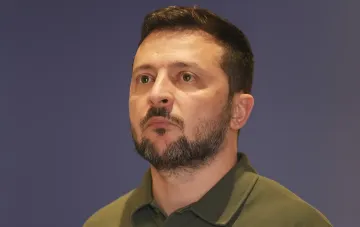
In his conversation with Bloomberg, Zelenskyy did not deny the involvement of Ukrainian forces in the strike and stated directly that Ukraine has the right to strike ships under the Russian flag if they are carrying weapons or sanctioned goods. According to him, the nature of the cargo determines the vessel's status as a legitimate target. "Every vessel under the Russian flag, everything that transports weapons or any cargo that is sanctioned and might contain God knows what, is a legitimate target for us in Russian territorial or neutral waters," the president emphasized.
Chronology of the incident
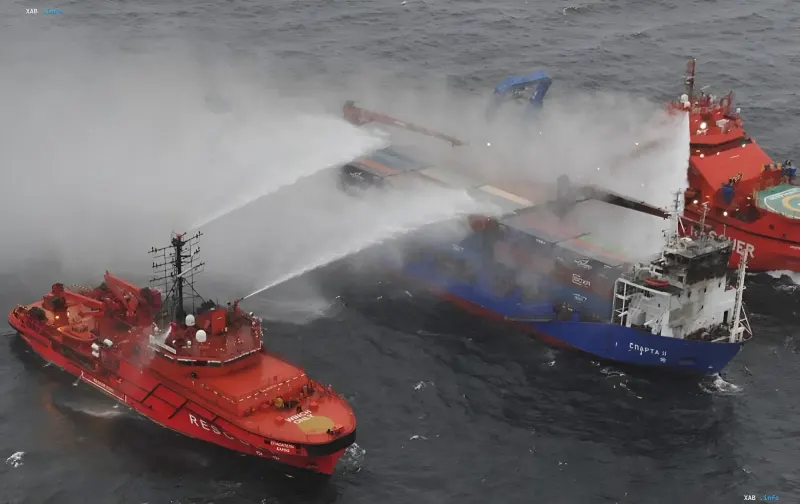
According to data outlined in the article, on November 21, drones attacked 'Sparta II' in the Gulf of Finland. After the strike, a fire broke out on board, the ship lost control, and the current carried it toward Finnish territorial waters. On November 22, a Russian rescue ship began towing the damaged vessel out of Finnish waters. Zelenskyy noted that the strike was carried out precisely in Russian territorial waters and acknowledged that the subsequent drifting of the ship toward Finland "raised additional questions."
Legal argumentation
Kyiv bases its position on the principle of self-defense and the status of the cargo: from the perspective of the Ukrainian leadership, transporting weapons or sanctioned goods automatically makes a vessel a vulnerable object regardless of whether it is in territorial or neutral waters. Such wording essentially expands the list of permissible targets beyond the immediate combat zone and affects shipping in the Baltic region.
Partner reaction
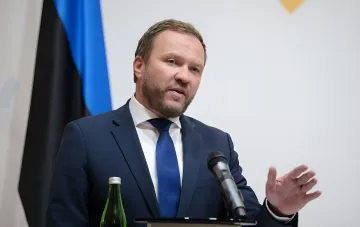
Zelenskyy noted that the operation caused a mixed reaction among allies: "Some European partners get nervous when something happens in the Baltic Sea." In this regard, he instructed ministers and military officials to communicate more actively with allies so they receive information about Ukrainian operations in advance, rather than "finding out about them unexpectedly." In Estonia, the strike on the Russian vessel was called a consequence of Ukraine's self-defense against Russian aggression; Foreign Minister Margus Tsahkna emphasized that Estonia had not permitted the use of its airspace and maritime waters for military operations.
What's next
The incident with 'Sparta II' became one of the first publicly confirmed strikes by Kyiv on a Russian vessel in the Baltic waters, increasing the diplomatic sensitivity of the region. Future developments will depend on how Baltic countries and other European partners coordinate their response with Ukrainian military actions near their territorial waters.