From October 1 to 4, 2026, the frontline city of Zaporizhzhia is hosting the international contemporary art festival GOGOLFEST Pokrov. This large-scale cultural event, ranked among Europe's top 5 festivals, has adopted the conceptual title TimeCode this year, thoroughly adapting its program to the harsh realities of a frontline city facing ongoing security threats.
Underground Format and Participant Safety
The organizers have implemented unprecedented safety measures: approximately 95% of all scheduled events will take place in specially equipped shelters, underground bunkers, fortified schools, and underground parking lots. This unique format ensures that cultural events can proceed without interruption even during air raid alerts, securing maximum protection for audiences and artists alike.
Large-Scale Telebridge and Premieres
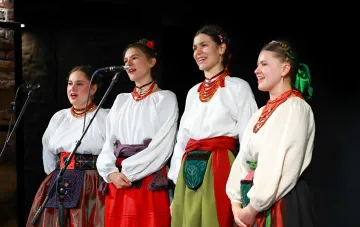
A central highlight of the festival will be the massive Futurum telebridge-performance directed by Vladyslav Troitskyi. The world-renowned band DakhaBrakha will perform in an underground parking garage, while hundreds of students across 15 underground schools in the city will participate in a synchronized choreographic performance. The program also features the premiere of the chamber opera 'Skovoroda. Shevchenko. Stus' by DakhTrio and the Ukrainian premiere of Madeleine Boghard's Swiss solo performance.
Controversial Data
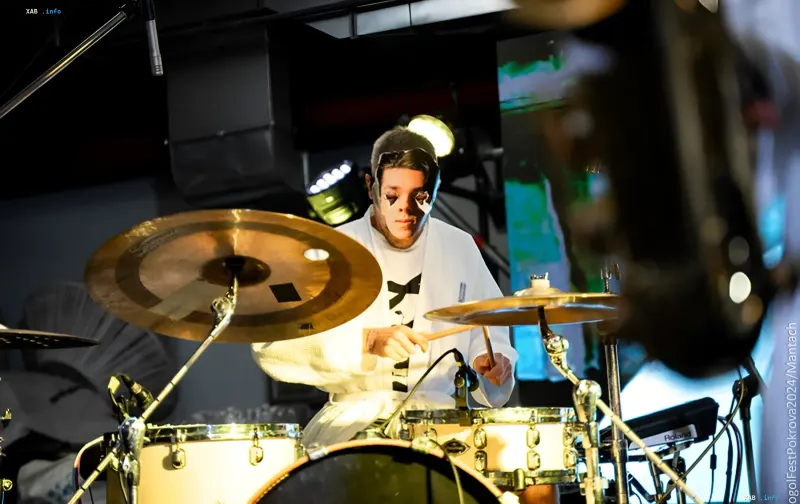
Open sources and archival publications from various years present certain discussions regarding the festival's return timeline and status. Some early media reports framed events from 2024 as the initial return of GOGOLFEST to frontline regions following the escalation, whereas current 2026 reports emphasize the deep integration of Zaporizhzhia's underground school and parking infrastructure, highlighting the format's evolution to meet modern security realities.
Discussion Panels and Urbanism
Beyond music and theater, the festival places a strong emphasis on architecture, urbanism, and community development in crisis conditions. Panel discussions will feature experts, architects, and opinion leaders debating the transformation of public spaces in frontline cities and planning the future of Zaporizhzhia after the war.