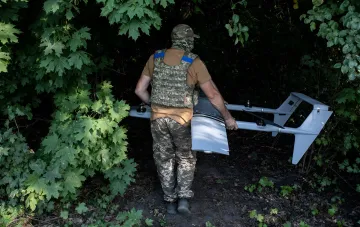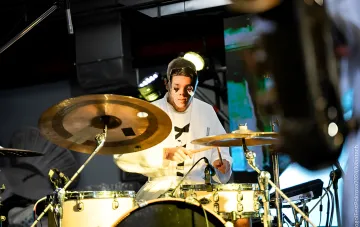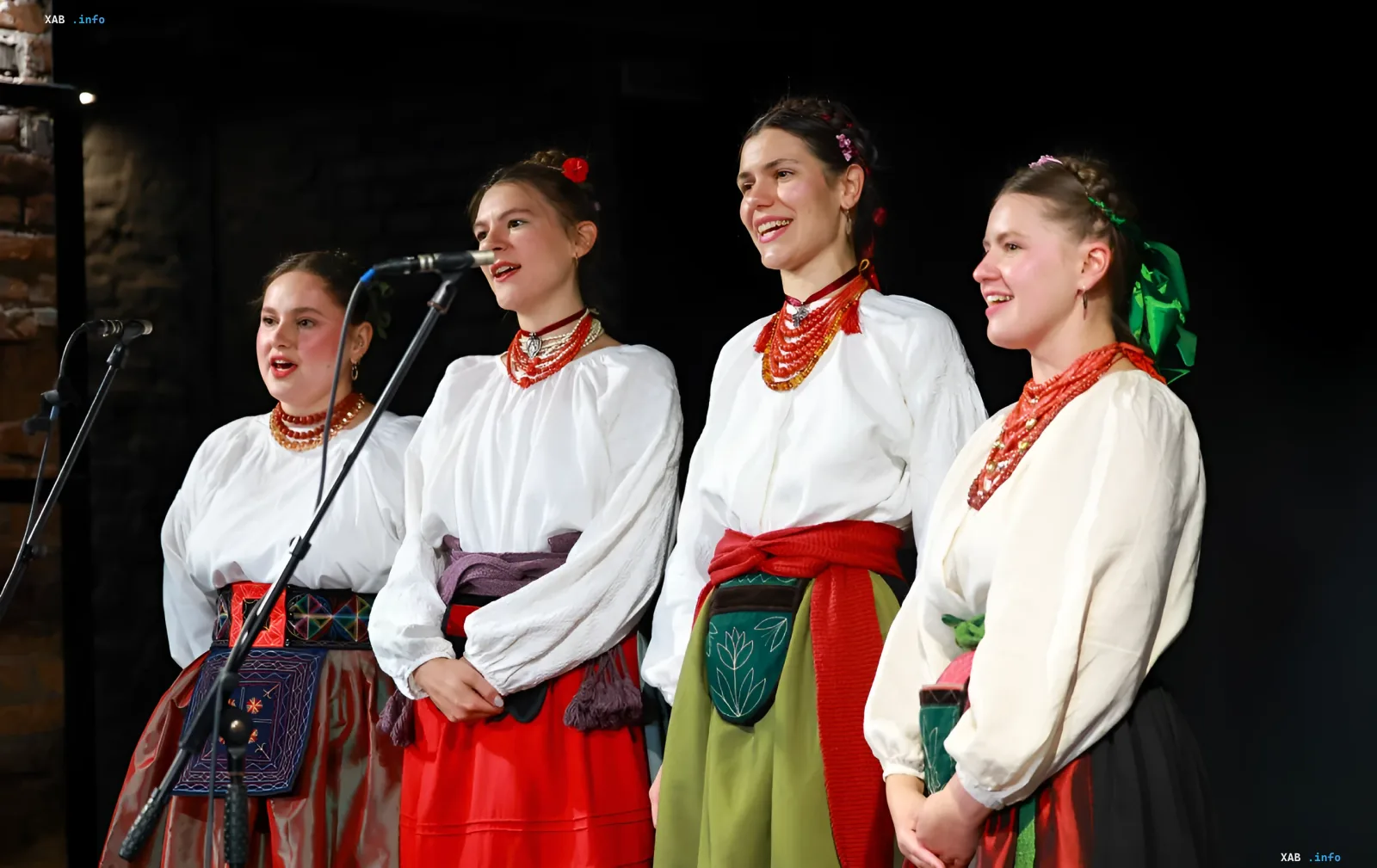
Just thirty kilometers from the frontline in Zaporizhzhia, the international contemporary art festival GOGOLFEST Pokrova_TimeCode has successfully concluded. Amid persistent security threats, the organizers implemented unprecedented precautions: nearly the entire four-day forum program was held underground. Concerts, theatrical performances, discussion panels, and art interventions took place inside protected shelters and underground parking lots across the city, proving that the region's cultural life refuses to halt even in the darkest times.
Festival Climax and Record-Breaking Underground Performance
The central highlight of this massive artistic event was a grand performance titled 'Hymn of Life', directed by Vladyslav Troitskyi, the permanent leader of the project. The renowned ethno-chaos band DakhaBrakha delivered a live musical set inside a spacious underground parking garage. Simultaneously, hundreds of students from fifteen underground schools located across various districts of Zaporizhzhia performed deep choreographic pieces reflecting the children's wartime experiences, fears, and hopes for a peaceful future.
Connection of Times, Memory, and European Recognition
Conceptually, the festival's program spanned three dimensions: the Ukrainian past, the complex present, and the projected future. On Khortytsia Island within the Park of Honor, a 'Circle of Memory' took place, where memorial trees were planted in honor of fallen defenders to the accompaniment of Cossack tulumbas drums and Dakh Daughters' music. The audience also witnessed the all-Ukrainian premiere of the rock opera 'Skovoroda. Shevchenko. Stus' and performances by international artists, including Swiss actress Madeleine Bongard. Notably, GOGOLFEST is ranked among the top 5 European festivals by the prestigious EFFE Awards.
Contradictory Data
Minor discrepancies emerged in various media reports regarding the exact percentage of events conducted underground. While specialized media outlets and initial announcements (such as DontTakeFake) indicated that up to 95% of all planned festival activities would be relocated directly into protective shelters for security reasons, the final reporting materials and regional broadcasters (Suspilne) emphasize that the program was comprehensively adapted to the frontline security format, with all key and mass performances taking place exclusively in underground locations and city bomb shelters.
Summarizing the event, program director Anna Basova emphasized the special mission of the project in the frontline zone. According to her, when the front is just thirty kilometers away, culture might seem secondary to casual observers. However, in such strategically vital cities, it is critically essential to preserve an open space for art, quality education, historical memory, and continuous social dialogue.