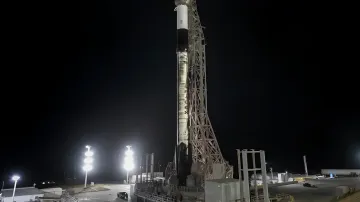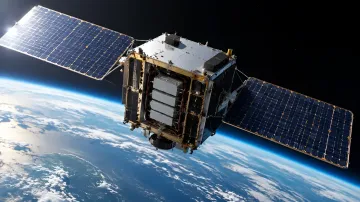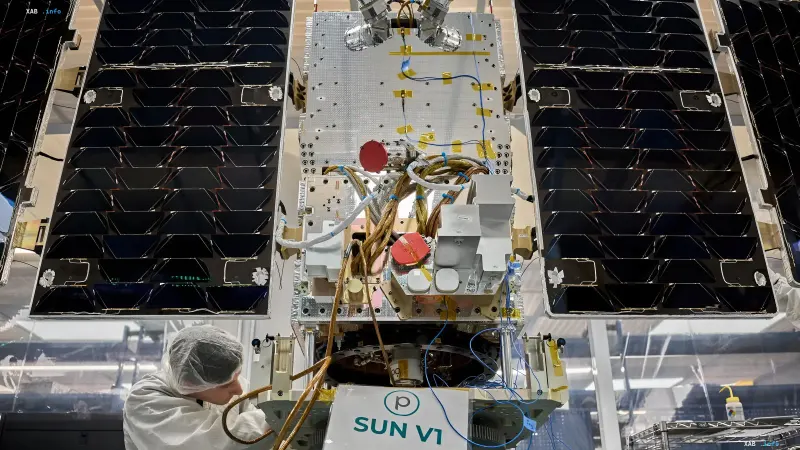
A new grand era in the global technology industry is beginning as Google prepares to launch its first experimental spacecraft equipped with proprietary Tensor Processing Unit (TPU) chips into low Earth orbit. The historic launch is scheduled for October 1, 2026, using a SpaceX Falcon 9 rocket. The spacecraft will run entirely on advanced solar panels, marking the practical realization of ambitious plans to shift complex computing processes beyond Earth's atmosphere.
The Essence of Project Suncatcher and Space Computing
This mission launches a large-scale tech giant initiative codenamed Project Suncatcher. The main strategic goal of the project is to eventually deploy a full-fledged orbital constellation of satellites capable of autonomously processing artificial intelligence workloads in real-time. Experts note that this will significantly relieve pressure on terrestrial data centers and minimize latency when transmitting massive volumes of information, opening entirely new horizons for space research and global communications.
Technical Challenges and Thermal Control Systems
One of the primary challenges when deploying computing hardware in space is cooling in a vacuum environment. To address this, Google engineers developed a specialized passive thermal control system consisting of high-efficiency heat pipes and radiators. Company representatives emphasize that full-scale testing of such complex thermal regimes is impossible in terrestrial laboratories, making the real orbital environment the primary testing ground for the technology.
Historical Context and Future Prospects
The concept of establishing space-based data centers powered by limitless solar energy without straining Earth's infrastructure has been discussed by leading technology entrepreneurs for several years. Figures such as Elon Musk, Jeff Bezos, and former Google CEO Eric Schmidt have actively supported this idea. Nevertheless, the current mission translates theoretical discourse into practical implementation, paving the way for an entirely new class of spacecraft.